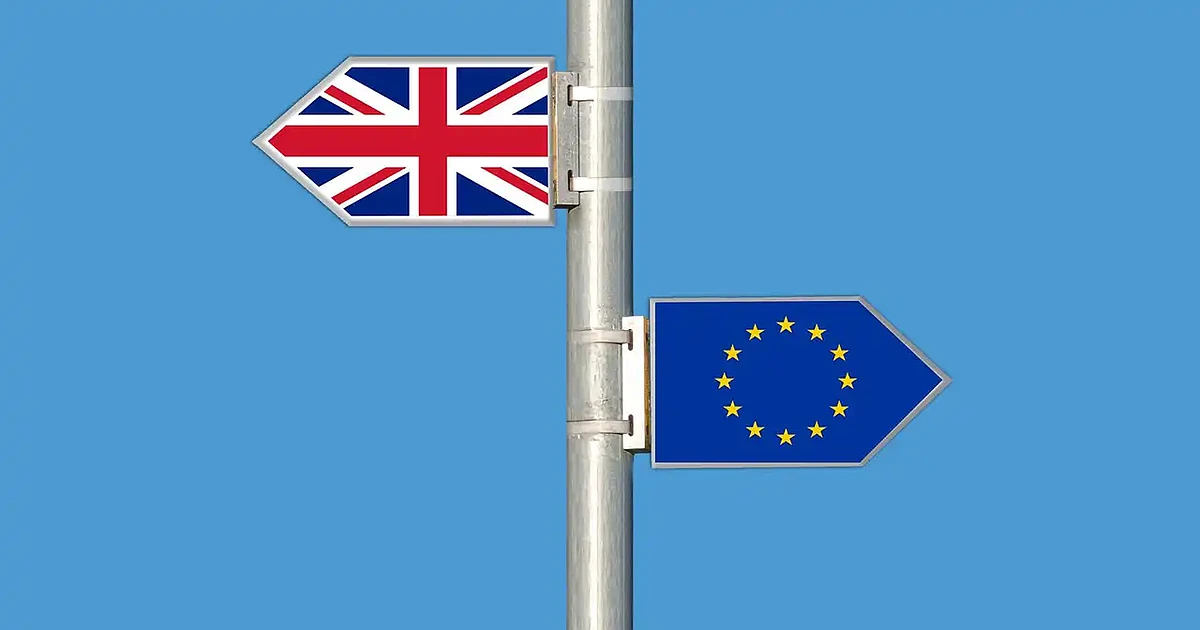
Some of the changes in the supply chain strategies of UK importers after Brexit are sourcing diversification, inventory management reimagined, and rising costs and tariffs accounted for.
Since the United Kingdom (UK) has left the European Union (EU), the trading landscape has changed quite dramatically. The UK’s leaving of the European Union was named Brexit, and it took place on Friday, Jan 31st, 2020, at 2300 GMT.
Before Brexit, the movement of goods across EU borders happened without customs paperwork, tariffs, and/or extensive checks. It was a free flow of people, goods, and money. But now things have changed quite a bit, and UK importers have to rethink the way they do business to stay profitable.
Even now, several years after, the Brexit trade impact hasn’t slowed down. UK importers are still having to adapt, innovate, and rethink long-term supply chain habits. UK import export businesses need to be aware of the following post-Brexit strategies.
New Administrative Burdens and Complex Customs Laws
This is the biggest change post-Brexit. Every good that passes through the UK borders and goes into the European Union (EU) now needs a customs declaration form filled out and has to go through numerous product checks, which requires more time and resources. What used to be a frictionless process isn’t so anymore.
Now there’s a need for:
- Detailed paperwork
- Customs duties for certain goods
- Border inspections
- Compliance with both UK and EU regulations
All of this, of course, adds time to the process, but more than that, it adds an administrative overhead and costs due to duties and such. Many UK import export businesses have had to invest in training, systems, or third-party customs specialists like Mercium (UK import partner from door to doorstep) to keep the goods flowing.
Rising Costs and Tariffs for UK Importers
Thankfully, the UK and EU have agreed upon a trade deal to avoid broad tariffs on products moving across the border. But even so, there are other costs to deal with:
- Customs processing fees
- Border checks and compliance charges
- Increased logistics and freight expenses
All of these extra costs mean that the margins are squeezed further, reducing profits for the businesses involved. Of course, some importers have had to increase their prices, which makes them less competitive with other European businesses.
Others have looked for ways to streamline their operations or find alternative materials.
Sourcing Diversification
In the past, the UK importers had a heavy reliance on EU suppliers for their sourcing needs. After Brexit, they have had to rethink their sourcing by diversifying their supply networks:
- Non-EU suppliers (e.g., Asia, North America)
- UK-based manufacturers
- Regional sourcing strategies
Diversification is recommended in any case since it reduces risk, and you aren’t dependent on one supplier for all your needs, which can be dangerous for growth. What if that supplier goes out of business or runs out of material?
All of these changes will require time to develop new supplier relationships and establish new logistics processes. But once they are established, the UK importers will become more robust and resilient as a result.
Global Supply Chain Visibility and Technology Upgrades
Supply chain innovation is necessary, especially after such a big change, such as Brexit. Now that the supply chain for UK importers has become more complicated, there is a need here for greater visibility and control.
After Brexit, importers have accelerated investments in digital tools, including:
- Supply chain tracking software
- Automated customs and compliance systems
- Inventory management platforms
This has resulted in UK importers being able to track goods in real time, anticipating disruptions before they happen, and reducing all of those manual errors.
It has definitely helped UK importers respond more quickly to delays in the supply chain or to any other regulatory changes.
Inventory Management Reimagined
Before Brexit, UK importers relied on very lean inventory models, with quick turnarounds and just-in-time deliveries from the EU partners. But now things have changed quite drastically.
Border delays and other uncertainties have made the post-Brexit world look quite different for import-export businesses in the UK. Some importers are now:
- Increasing safety stock levels
- Holding more inventory in UK warehouses
- Using bonded warehouses to defer customs duties
This reduces the risk of stockouts and helps ensure that customers remain happy with the service levels and don’t flock to competitors.
Frequently Asked QuestionsIs the UK Worse Off After Brexit?
Even though many importers have experienced significant losses after Brexit and there have been trade losses after the UK left the EU, this is just a temporary glitch, according to the UK government. Once the UK import export businesses adapt to the changes, all of these losses will not matter.
Of course, it also makes the UK businesses more resilient and robust, which is something that you cannot put a price on.
Why Did the UK Leave the EU?
It’s important to note that the UK was worried about European regulations and also that the UK was less integrated into the EU than the other European countries, all of which resulted in reservations about its ability to stick to the EU long-term.
It was better to pull the band-aid now and leave the EU, before further issues could crop up. A decision was made, and Brexit happened, but UK citizens were divided on the matter. It will definitely take some time for the after-effects of Brexit to die down and for the UK importers to be profitable again.
Follow The Post-Brexit Strategies Above for Success
The old paradigm isn’t going to work any longer. Brexit has proven that UK importers need to think on their feet and constantly make changes to their global supply chain needs so they can remain profitable and viable.
Rather than viewing Brexit as a one-off event, many businesses now see it as part of a longer trend toward increased complexity in global trade.
If you enjoyed this article on supply chain management, then please check out related articles on our website. We are constantly putting out new articles on a wide variety of subject matters.
This article was prepared by an independent contributor which helps us continue delivering quality content to our audiences.