
BLACK HILLS, S.D. — From 2015 to 2020, the Black Hills’ housing market saw an annual average of around 10 homes sold for more than a $1 million. Now, that number has expanded nearly tenfold.
Browsing sites like Black Hills Realty or Century 21 Spearfish Realty, viewers will see homes ranging from $1 million to nearly $10 million, with around 100 such homes being actively listed throughout the region.
“So far in 2026, from January 1 to today, there’s been about 80 closed sales,” said Jill VantHul, a realtor with Black Hills Realty with 15 years of experience.
VantHul spoke about the Black Hills housing market during a tour of a property in Rapid City’s Westview Estates. Listed at $1.6 million, the 6,396-square-foot home sits on 1.6 acres and is under contract and poised for closing soon. It features five bedrooms, four and half bathrooms, substantial living rooms on the main floor and basement as well as a full-blown basketball court.
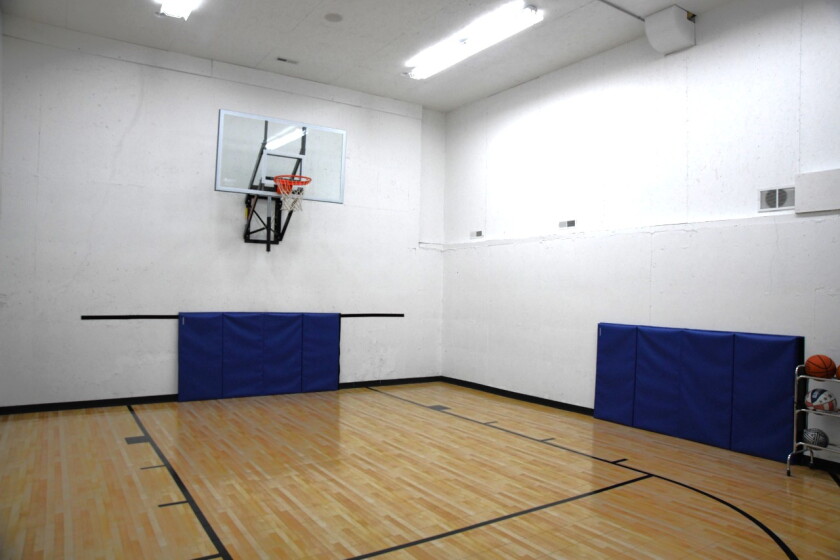
A basketball court sits in the bottom level of a $1.7 million home in Rapid City’s Westview Estates.
Zac Zwaschka / Forum Communications
VantHul explained that the Black Hills’ recent spike in luxury homes is due to a variety of factors, though much of it can be credited to a post-pandemic boom. From 2021 to 2023, the Black Hills’ luxury market exploded, especially as wealthy out-of-staters sought refuge from Covid-19 restrictions.
“During Covid, our prices just skyrocketed,” VantHul said.
While this was felt across the Black Hills, it was particularly true in Spearfish, which has emerged as South Dakota’s answer to places like Jackson Hole, Wyoming, Aspen, Colorado or Big Sky, Montana.
Jason Tysdal of Century 21 Spearfish Realty, a 22-year real estate veteran, explained on a tour of a $2.3 million property on Spearfish’s Bridgestone Street that the city’s relative seclusion, beautiful scenery and easy access to recreational activities have made it a hotbed for potential buyers.
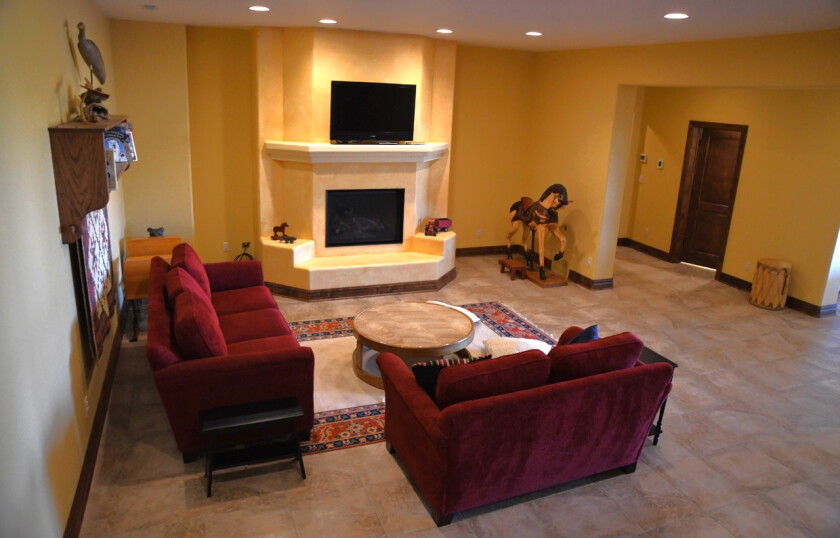
A large family space sits in the basement of a Spearfish home.
Zac Zwaschka / Forum Communications
Tysdal explained that typical home appreciation for South Dakota is between 2% and 5% per year, but that the aftermath of the pandemic saw this soar to nearly 20%. At the time, the market was so active that Tysdal recalled selling homes to buyers who had never physically stepped in the home.
“People were purchasing homes unseen, just doing a FaceTime video,” Tysdal said.
While Tysdal said that he stays out of people’s politics, he noted that prospective buyers during this boom regularly cited then-Gov. Kristi Noem’s response to the pandemic as a key reason for their relocation. Because South Dakota was considered “more open” at the time, buyers found the state appealing.
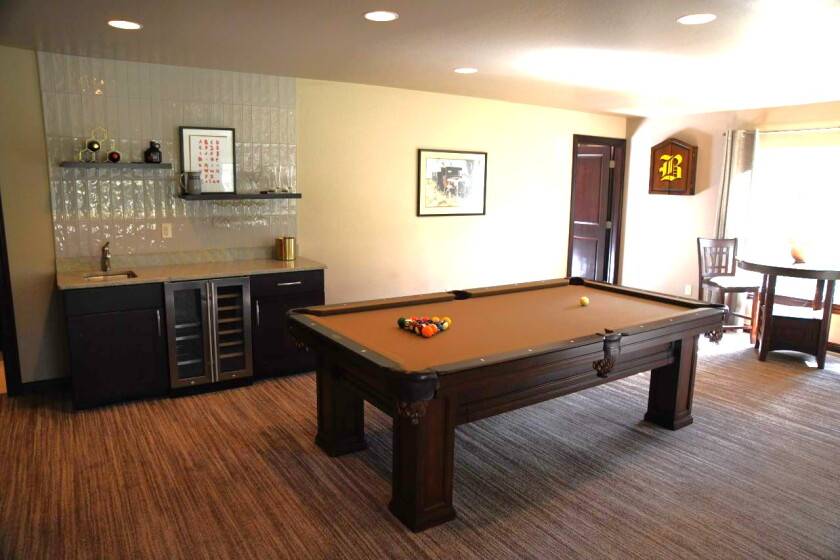
The basement of this Rapid City home showcases a pool table and bar setup.
Zac Zwaschka / Forum Communications
Additionally, Tysdal and VantHul both emphasized that the Black Hills’ status as a tourism hub has also played a major role in the development of its luxury market. Through sites like Mount Rushmore, Spearfish Canyon and events like the Sturgis Motorcycle Rally, the Black Hills has raised its national profile. Tysdal and VantHul said this has led to many visitors falling in love and wishing to stay, either permanently or part time.
“People will come into the office and say we were here for the (Sturgis Rally), we were here with our kids last summer, and now, we’re looking at possibly making a change in moving,” Tysdal said.
While higher-end homes are still purchased by local buyers, the majority go to out-of-state clients, some of which are buying their second or third home. The primary demographic for these luxury homes are people in their late 40s or 50s with successful careers or businesses.
“It’s people who have made it,” Tysdal said. “They’ve done very well with their careers, and so they’re able to sell their property someplace else and come here and buy some of these upper-end properties because of the equity they had in the other one.”
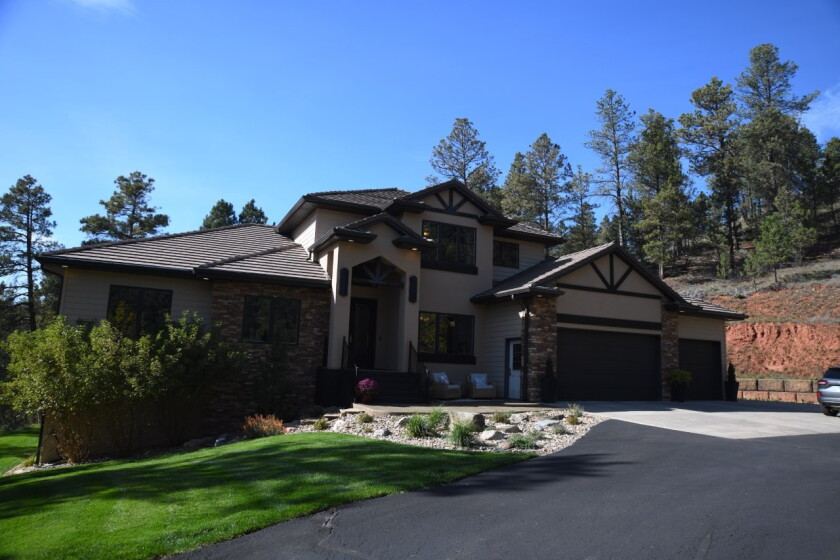
This home in Rapid City’s Westview Estates is currently listed at $1.7 million.
Zac Zwaschka / Forum Communications
VantHul added that South Dakota’s business-friendly, hard-working reputation is another booster, noting that a 2026 report from the personal finance company WalletHub ranked South Dakota No. 1 in its list of the top 10 hardest-working states.
“Business owners want to come here because they know that they’re going to get people that work hard, and that are honest, and that will help their business be successful,” she said.
Other boons for the housing market are the expansion of social media advertising as well as the rise of remote working environments.
VantHul said the extensive reach of social media has allowed local realtors to get homes in front of more eyes than ever before.
Moreover, remote work gives business owners the opportunity to manage from the comfort of their homes, making the relative quiet and low cost of living in the Black Hills an attractive prospect.
VantHul said that while appreciation rates and the market in general have mellowed since the post-pandemic boom, million-dollar-plus houses are here to stay and show no signs of stopping.
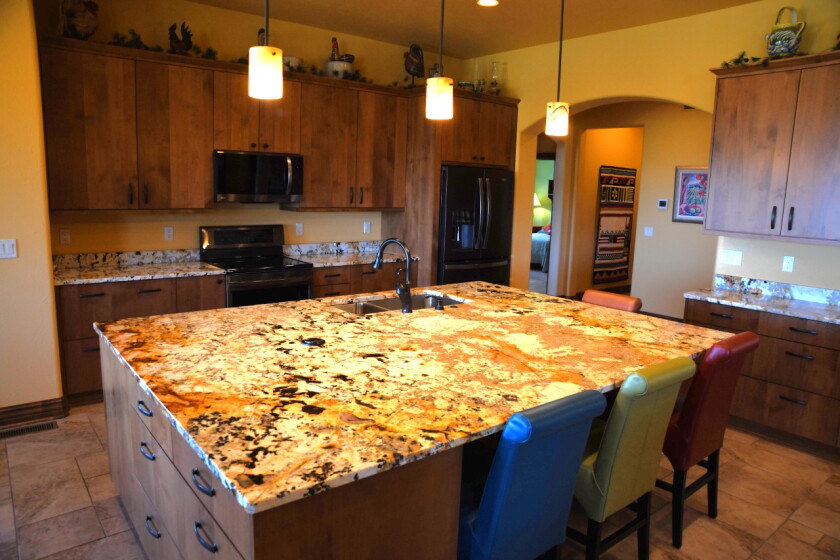
A Spearfish home shows off its luxury kitchen space, including top-end appliances and other amenities.
Zac Zwaschka / Forum Communications
However, VantHul and Tysdal both noted that homes in the $300,000 to $700,000 range still make up the bulk of their sales.
One concern with the rise of luxury homes in the Black Hills is that increased property values are pricing out first-time homebuyers, especially younger locals. With interest rates on home loans reaching over 7%, VantHul and Tysdal described how balancing growth with affordability is a necessary practice.
“The skyrocketing isn’t good. The appreciation is good. It’s good for the area that people like being here as long as growth is handled responsibly and we’re not blowing up and covering our hills with McMansions,” Tysdal said. “But you also have to have growth, so it’s a balance.”
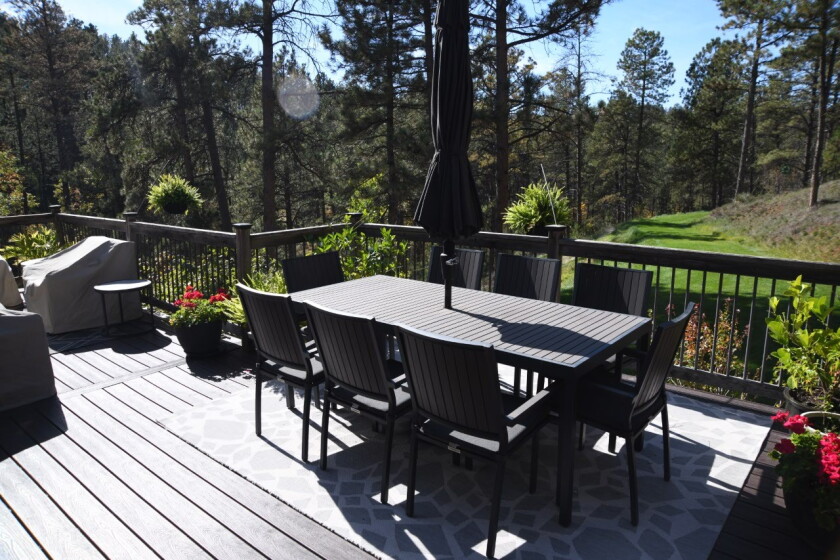
The Rapid City homes features a large patio with a pleasant view of the Black Hills’ famous pine trees.
Zac Zwaschka / Forum Communications
They added that properties like townhouses and workforce apartments are being developed in attempts to combat this issue.
VantHul also noted that as older residents downsize or move up from their current homes, they’ll open up to younger buyers.
“I think it’s all kind of cyclical. That’s why I don’t worry about running out of affordable housing because as people are moving up and moving out, their home that they used as their starter home is available for somebody else,” VantHul said.
Potential buyers will have to wait and see how the future of the Black Hills’ housing market progresses, but for the time being, “it’s just going to keep going,” VantHul said.