
In all the excitement over the new G50 BMW 3-series, there was one detail that quietly slipped by me. The whole point of the new 3er and sibling i3 is that BMW will give you just about any powertrain you want, whether its a full-EV, a plug-in hybrid, or something with as few electric motors as possible.
Except, that powertrain flexibility doesn’t include diesels. For the first time in more than 40 years, you’re not going to be able to order a brand new BMW with some form of oil-burner.


It may be easy to blame this on outrageous diesel prices–and it certainly doesn’t help. I don’t think that’s what’s happening here, both because the timing of it doesn’t line up and because of general market trends.
The Diesel 3er Was Once King
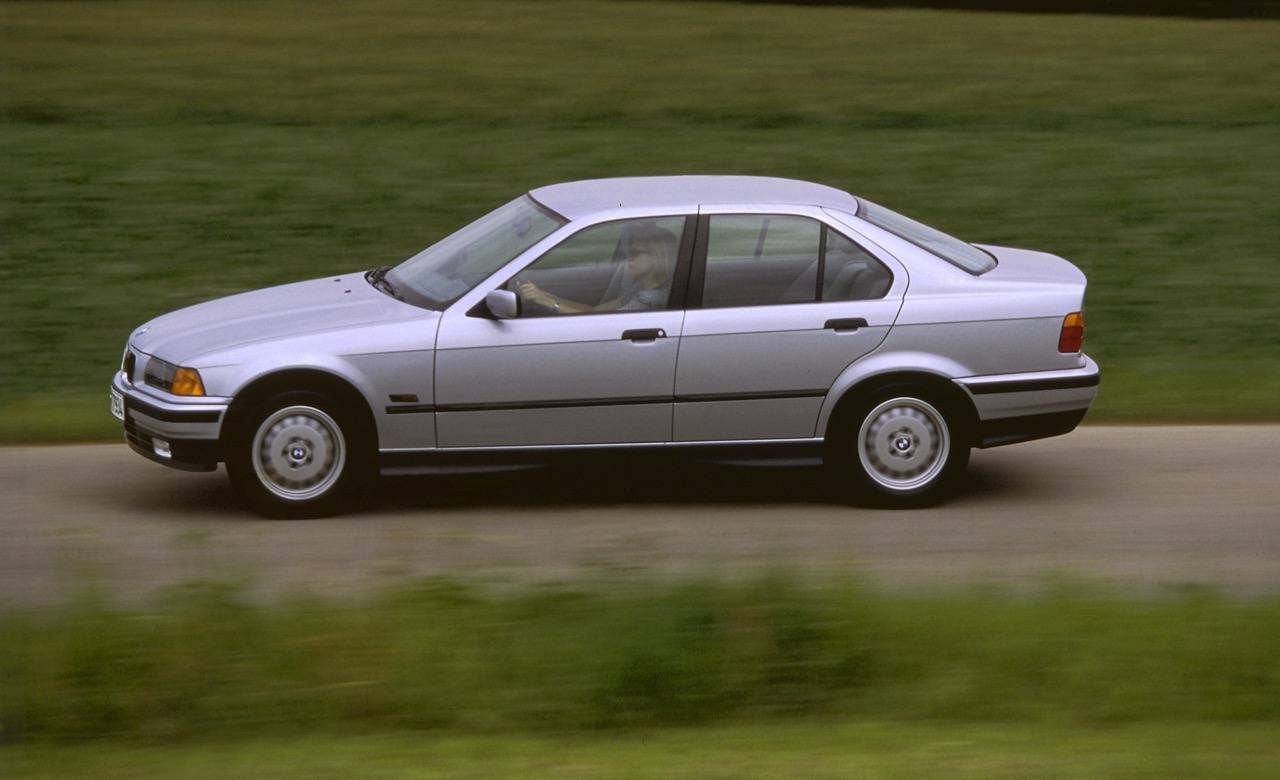 Photo: BMW
It’s hard to overstate just how important diesel sales have been to BMW and, in particular, the 3-series (or 3er as they call it in Germany). BMW entered the diesel game in the ’80s, and its first effort was the M21D24, a straight-six diesel based on the company’s M20 gasoline engine with a 2.4-liter displacement (thus the D24 in the name).
This was introduced in the E28 5-series in 1983, though the first appearances in the United States of the engine were in the form of a delightfully strange RV and a Lincoln.
In 1985, the motor would transfer over to the E30 BMW in the form of the 324d and 324td. With 210 lb-ft of torque, the turbodiesel variant is somewhat surprisingly one of more powerful non-M models of the era. The E36 BMW would add a four-cylinder diesel engine to go alone with the new six-cylinder, which would be the trend.
At one point, according to Automotive News, diesels accounted for as much as 80% of total 3-series demand in Germany and Europe, all the way to the F30 generation made between 2011 and 2019.
So what happened?
There’s A Lot Of Blame To Go Around
 Graphic: ACEA
The death of diesel is always going to start with Dieselgate. In 2015, it was revealed that Volkswagen had conspired with a supplier to put a cheat mode into its vehicles in order to pass more stringent environmental tests while maintaining an edge in performance. While Volkswagen and its brands get tagged the most for this, BMW did eventually pay fines for diesel cheating.
Unsurprisingly the peak of diesel sales in Europe followed soon after in 2017, as did changes around emissions regulations. As the then head of R&D at BMW said before the Frankfurt Motor Show in 2017: “The actions of some have severely compromised the credibility and trustworthiness of our industry. As a result, we now face tighter – and sometimes irrational – approaches to legislation. Around the world, regulations on fuel consumption, emissions and safety are changing faster than ever before.”
The world would switch to quickly caring about electric cars, and diesel became the odd man out. The mileage advantages of diesel motors were being erased by hybrids, which offered similar or better performance using a fuel that’s usually less expensive.
As you can see in the chart above from the ACEA, plug-in hybrids now regularly outsell diesels. While the VW emissions scandal definitely hastened this, it was probably inevitable as hybrids and EVs became more popular.
Tightening regulations have also put the screws to BMW’s plans, as BMW Blog reports:
A BMW spokesperson confirmed in an email to BMWBLOG that the new 3 Series Sedan will be offered exclusively with gas engines, either on their own or as part of a plug-in hybrid setup. The lineup kicks off with the four-cylinder 318 and 320, followed by the six-cylinder M350 xDrive. A plug-in hybrid based around a gas engine is coming later next year. These powertrains will likely carry over to the unconfirmed 3 Series Touring (G51).
BMW hasn’t given a specific reason for dropping diesel power, but it’s not hard to fill in the blanks. Euro 7 regulations are making combustion engines increasingly expensive to develop, while diesel demand in Europe has been massively declining for years. Bean counters will argue that engineering and certifying another generation of diesel engines for a shrinking market is becoming increasingly difficult to justify.
If you want your mileage and you want your performance, your best bet is probably the plug-in hybrid.
 Photo credit: BMW
This isn’t to say that all BMW Diesels are dead, as you can still get the engine in either cars that haven’t been updated yet or in the larger passenger sedans and SUVs. Whether or not those stick around or are eventually phased out is another question.
Top photo: BMW