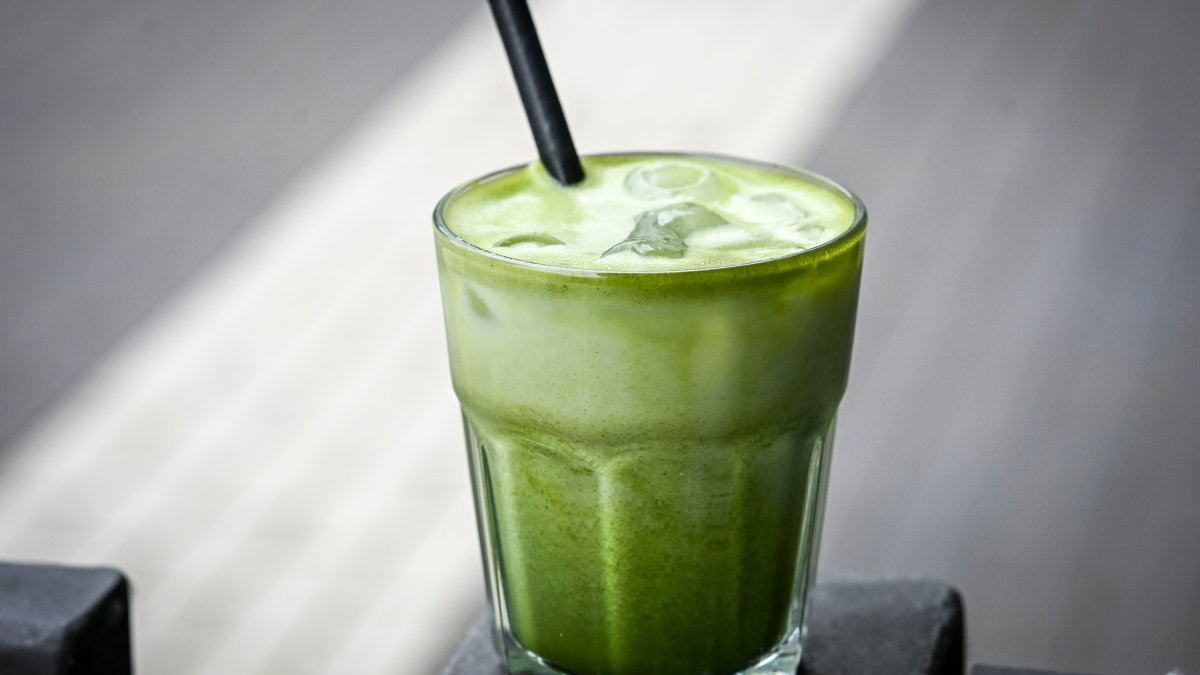
Matcha has become a very popular drink in the last few years, using green tea imported from Japan, but with the newly announced tariffs, this product and other Japanese tariffs could cost you a little bit more.
“I’m grabbing matcha. It’s part of the routine,” Emily Cortez said.
It’s a habit not just for Cortez, but for many matcha lovers.
“When it got trendy, I just kind of hopped on the trend,” she said.
Last month, President Donald Trump announced he reached a 15% tariff deal with Japan, lowering it from the 25% rate he had threatened Japan with a few months before.
Dr. Alan Gin, a professor of economics at the University of San Diego, said Japan is one of the largest trading partners for the U.S.
“We import a lot of stuff from Japan, and I think last year we imported about $150 billion worth of stuff from Japan,” Gin said.
The volatility in tariff rates creates a lot of uncertainty for businesses, according to Gin. He said the Japanese goods that may feel the biggest impact are cars and machinery, but also food items.
“Those could be expected to go up in price. So things like Japanese rice, the matcha tea, and Fuji apples — these are items that come to mind immediately in terms of Japanese food products,” he said.
Tim Tan shops for groceries at Tokyo Central about three times a week. He said it’s where he can find specific Japanese imported items that other grocery stores don’t sell, but he worries about the effects this will have on his pocket.
“We often purchase a lot of groceries, obviously Asian groceries, and it’s going to impact us monthly,” Tan said.
Meanwhile, Cortez said she will continue enjoying her favorite drink, but she may have to look for alternatives if that means getting a better deal.
“I think just because I’m trying to save a buck, I’ll probably go towards coffee or whatever is not getting increased,” Cortez said.
As part of the agreement, Trump said Japan would invest $550 billion into the U.S., which he said will receive 90% profits. It’s not clear how such an investment would work.