Correction, 11/11/2026, 12:55 p.m.: The original version of this article listed an incorrect maximum height for the approved planned development as 140 feet instead of 199 feet. The error has been corrected.
“What does the will of the people you represent mean if you’re unwilling to listen to it and support it?” Richard Brown asked the Dallas City Council on Tuesday.
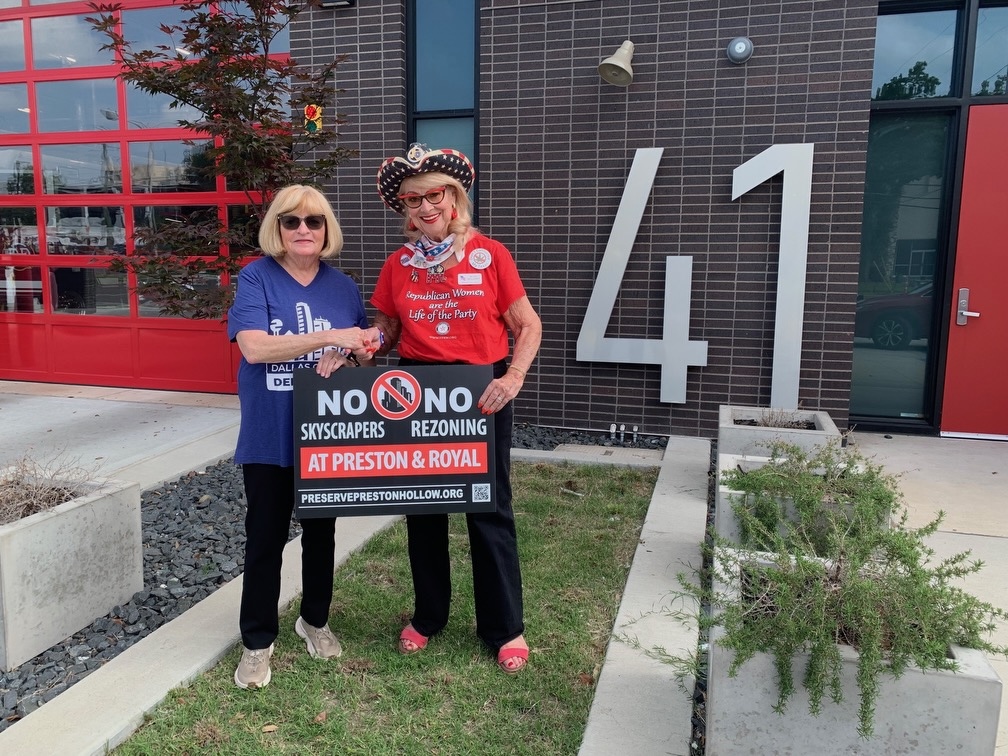
Brown’s words echoed the majority of public comments made in opposition before the council voted 9-6 to approve a highly controversial rezoning case that will bring buildings as high as 17 stories to the intersection of Preston Road and Royal Lane. More than 5,000 people have signed a petition opposing the development, as “No Skyscapers” signs popped up around the neighborhood in recent months.
The $800 million project has been mired in months of delays and a high-stakes fight involving a recall campaign targeting council member Gay Donnell Willis, who represents the area. Willis was granted a delay on a planned vote in October as neighborhood resistance under the D13 Together Coalition continued to harden.
Sign up for the This Week’s Top Stories newsletter to get the latest stories delivered to your inbox
THANK YOU!
You’re all set.
CLOSE
On Tuesday, that cycle appeared to close as the council approved a planned development district with a maximum height of 199 feet (17 stories) for the tallest building in the multi-use project. Developer Leland Burk had previously proposed a 240-foot-tall, 19-story condo building and an 18-story apartment tower. In an area currently zoned for a maximum allowable height of 54 feet, the original proposal sought to build up to 28 stories (325 feet).
Developers estimated the project will generate roughly $13.5 million in revenue for the city when completed.
Over 2.5 hours of public comment preceded council deliberations. Concerns over the development’s height, density, traffic impacts and a perceived lack of detail in the plans highlighted many residents’ concerns, though they insisted they weren’t opposed to development. Before the city’s zoning commission voted to advance the project, 263 homeowners in the immediate area surveyed by the city opposed it, with only eight in favor, according to prior reporting by The Dallas Morning News.
A 2019 tornado devastated much of the surrounding area and left a large portion of the southwest corner of the intersection vacant after an office park was demolished. Residents said they knew something was needed at the intersection, but didn’t understand why what seemed like a rushed development was being pushed through so quickly.
“I was not even planning to speak, but I just couldn’t sit there and listen. I really, really ask all of you all to slow this down, vote no, send this back to conversations,” Amy Schmalz said. “As someone said, going from 325 feet to 240 feet is not a significant change. I took math. I know all of you did too. What the real difference here is, it’s going from 54 feet to 240 feet.”
Other residents spoke in support of the buildout, with many speaking after Burk when City Secretary Bilierae Johnson opened the floor to speakers who had not signed up. The developer said the compromises made reflected a “balance of neighborhood protections and responsible growth,” while Kirk Presley highlighted the need for more housing.
“Height is one trade-off, but housing is another,” Kirk Presley said, adding that his older mother and father-in-law live nearby. “Empty nesters, widows, older couples, divorced residents, and adult children who want to live near sick parents should not have to choose between a large single-family house or leaving the neighborhood entirely. Apartments in condominiums and pressing would allow people to move within the neighborhood and not just move away from it.”
‘Not everybody’s going to be happy’
The height was reduced again by an amendment from Willis, who also highlighted the underground parking the developer is willing to build to reduce strain on the surrounding community. To address traffic congestion, Burk and his partners will also pay for an added traffic signal to allow the nearby firehouse easier access to Royal Lane, updated signal timers and a traffic study in the area.
Willis said the development had been lowered by roughly 40% since the first proposal, with a 41-foot reduction from her latest amendment alone. She pointed to multiple meetings with both residents and the developer, adding that the community had been listened to and their input reflected in the plan the council deliberated on Tuesday.
“Just like we experienced during this past painful budgeting process, over the past year, there’s been a lot of listening and a lot of work to bring this project to where it is today,” Willis said.
Council member Bill Roth, whose district covers the eastern half of the intersection, pushed for an amendment to the zoning variance that would again lower the development’s maximum height to 110 feet. That, along with Roth’s subsequent motion to delay the case by another month, failed 6-9.
Willis said that if the building’s height were lowered any further, the traffic improvements the developer has offered could become economically unfeasible.
“The developer said that they couldn’t make this work,” Willis said. “I don’t want to give up the ground-level amenities. I don’t want to give up the underground parking, which will make for a better experience for the neighbors. And I’m really worried about these traffic improvements that I have fought so hard for.”
After his motion to delay failed, Roth said he was “distressed” by the council’s apparent insistence on voting that day.
“I’m actually amazed that we are making decisions without adequate preparation, without adequate facts, without adequate information, to the detriment of our constituents,” Roth said.
Before voting to approve the project, Council member Zarin Gracey said he wanted to make sure that residents knew that “it doesn’t go without hearing you all,” adding that “when it comes to compromise, not everybody’s going to be happy.” He also highlighted the city’s recent budget struggles, saying projects like the one at Preston Royal will be needed for Dallas to keep up.
“We need property tax,” Gracey said. “This city is growing whether we want it to grow or not. It’s growing. It’s the ninth largest city. It’s growing whether we want it to grow or not, and we have to make room across the city, the entire city.”
A Preserve Preston Hollow volunteer told The Dallas Morning News that a lawsuit is “on the table and something we’re going to look at” after the vote. The recall campaign against Willis, largely emboldened by the zoning case, has just over half of the roughly 9,600 signatures needed to place a recall vote on the ballot, according to the Recall Gay Donnell Willis website.
After the body voted against delaying the Preston-Royal case again, council member Cara Mendelsohn said she didn’t believe residents had been heard and seemingly pointed to the recent failure of the city’s public safety bond, telling her colleagues the vote would only embolden a growing tide of voter discontent.
“You’re activating the voters to get involved in everybody’s elections,” Mendelsohn said. “Just so you realize what’s happening here. The people are already getting activated. I hope you’ve noticed that in the last week.”