By Jared WolffGuest contributor
Nov. 23, 2026 3:04 AM PT
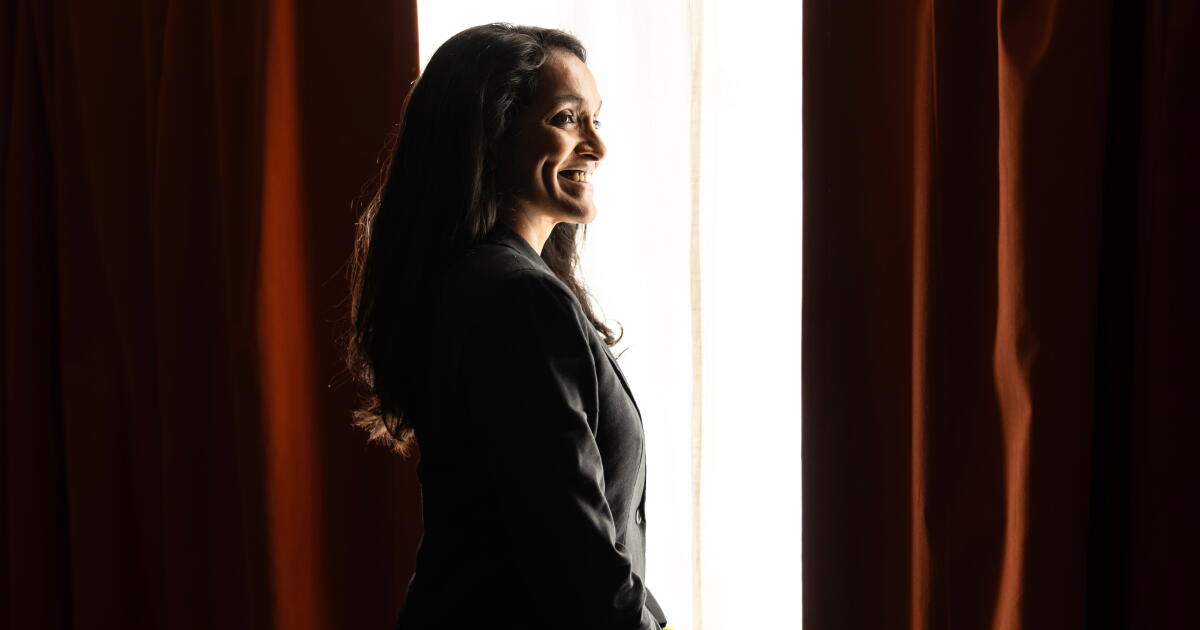
Los Angeles is at an economic crossroads. Mayor-elect Nithya Raman’s administration will be judged by whether it can make the city safer, more affordable and more attractive to the people and businesses whose investment sustains it. These goals are inseparable: A city that cannot attract employers, build housing or keep its core industries will struggle to fund the services residents expect.
Raman has an opportunity to drive sustained improvements, but she should not try to do it alone. She should bring Los Angeles chief executives into a partnership with City Hall through a council of leaders accountable for the businesses they run and the jobs, investment and economic activity they generate. Mayor Daniel Lurie of San Francisco has encouraged a CEO partnership, and Mayor Zohran Mamdani has established a business advisory council in New York. Los Angeles should draw on those examples to build a partnership suited to its own needs.
Raman’s challenges include safer streets, progress on homelessness, more housing, a revived downtown, the return of film and television production, and preparation for the 2028 Olympic and Paralympic Games. Los Angeles must also persuade global investors that it is open for business. A council of business leaders could help on all of those priorities.
L.A.’s version should be a working council of CEOs and regional business leaders with direct operating responsibility. Members should participate personally, not through delegates. Entertainment may be our calling card, but Los Angeles also depends on finance, aerospace, technology, healthcare, real estate, the port, logistics, retail, sports, restaurants and small businesses. The council should reflect that breadth as well as geographic diversity, including neighborhood business owners.
A council that tries to tackle everything will accomplish little. Its agenda should focus on urgent issues affecting jobs, investment and the city’s fiscal health. Six priorities deserve attention:
Housing production. The shortage raises costs for workers and employers, making it harder for hospitals to retain nurses, small businesses to hire and teachers to live where they work. Construction creates jobs before families move in. Increasing production requires understanding how financing, permitting, infrastructure and city requirements affect whether projects can move forward.
The investment climate. An evidence-based examination of Measure ULA — the “mansion tax” meant to fund housing and homelessness efforts — should consider its effects on investment and revenue alongside the programs it funds. A Rand study found that Measure ULA reduced high-value real estate transactions by 31% since taking effect in 2023, with high-density multifamily and commercial transactions down more than 46%. Capital is mobile; when investing here becomes too costly and the return on profits too thin or more uncertain, it goes elsewhere.
Downtown’s recovery. Office vacancy stood at 34.6% downtown in early 2026. This is more than a real estate problem: declining businesses and property values affect workers, neighborhood businesses and the city’s tax base. Downtown’s recovery is an economic and fiscal priority.
Keeping and attracting employers. Every company that leaves — or expands elsewhere — takes potential jobs, tax revenue and spending with it. The city must understand why and make Los Angeles more competitive.
Film and television production. Shoot days fell from 36,792 in 2022 to 19,694 in 2025; roughly 41,000 workers left the industry between 2022 and 2024. This industry defines Los Angeles and supports thousands of workers and small businesses. Reversing its decline must be a priority.
The 2028 Games. The Olympics and Paralympics offer a global stage and an opportunity for lasting benefits for local businesses and workers. The city must also be clear-eyed about its financial exposure as the backstop to LA28. A business council could help broaden the benefits and manage risks responsibly.
In addition to contributing to solutions, a business council would be an early-warning system for problems: Business leaders could alert the mayor to changes before a company relocates, a project is shelved or investment goes elsewhere. They could also contribute private-sector expertise and, where appropriate, philanthropy. Council members should be accountable for the assistance they commit to provide.
For Raman to create the council early in her administration would signal that she intends to work with the people who build businesses and create jobs. That would help bring the practical economic effects of policy into the decision-making process. A stronger economy means a stronger General Fund — the revenue for police, parks, homelessness services and other essentials. Business growth helps make effective government possible.
Los Angeles has talent, ambition and opportunity. It needs stronger alignment between City Hall and the people whose decisions determine whether that opportunity is realized here or elsewhere. Raman can create the business council, give it a focused mandate and draw on its members’ experience to help her administration make informed decisions and deliver results. Elected officials and their teams remain responsible for public decisions and execution. For recommendations the administration adopts, it should assign clear responsibility, timelines and measures of progress.
CEOs should not sit on the sidelines and wait for someone else to fix the city. If we want Los Angeles to remain a place where companies grow, employees build lives and future generations find opportunity, we should be at the table offering our assistance and resources. If the mayor-elect makes the call, we should answer — and be prepared to contribute.
Jared Wolff is chairman and chief executive of Banc of California.