U.S. finance company Morgan Stanley Capital International (MSCI) kept Argentina’s classification as a standalone market, the lowest tier, in its annual report issued on Tuesday.
Some analysts expected the country to be reclassified to a “frontier” or “emerging” market, which would have allowed up to US$3 billion of investments to enter the country.
The MSCI Argentina index measures the performance of the large and mid-cap segment of the Argentine stock market. With 18 stocks, it represents approximately 85% of the weighted universe of Argentine stocks.
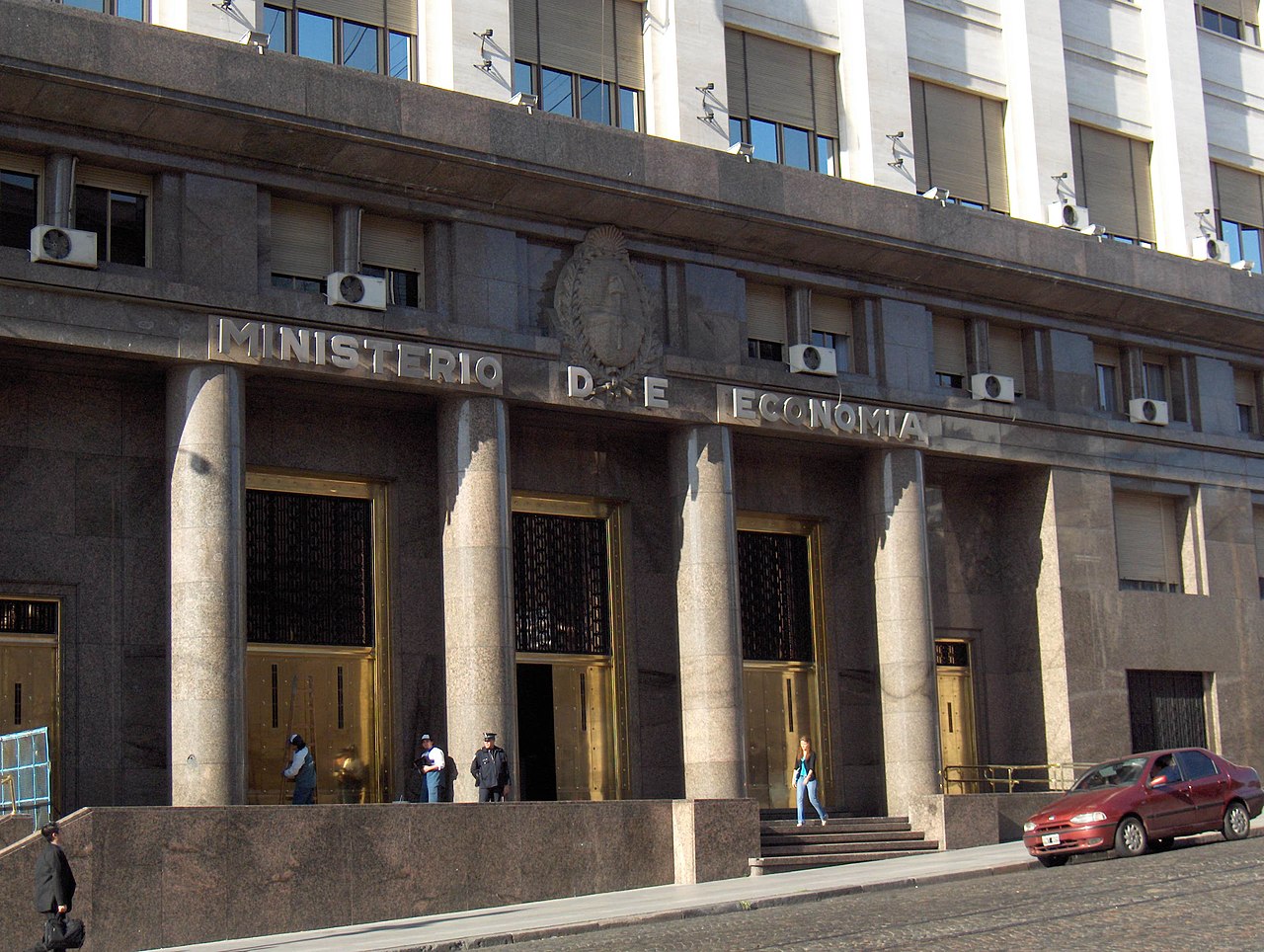
On Tuesday, before the MSCI report was published, Argentine bank shares rose by more than 8% on Wall Street as the markets eagerly anticipated the finance company’s definition. However, once the news became known on Tuesday, a spokesperson for Argentina’s Economy Minister told the Herald, “there were no expectations to improve the classification”.
Argentina was reclassified as a standalone market by MSCI in November 2021 due to persistent market accessibility issues, specifically capital controls. Before that, the country was considered an emerging market.
“It is clear that the conditions were not right, and rumors of this kind are damaging to the market,” financial analyst Christian Buteler said in a post on X.
Sebastián Maril, chief executive of the Latam Advisors consultancy, said that “with few exceptions, Argentina could only be included in the list in June 2026 to be reclassified to Frontier or Emerging in June 2027.”
In a report issued last week, MSCI said that, following the recent loan from the International Monetary Fund (IMF), “major reforms were implemented in Argentina during April 2025.”
The report mentioned that the crawling peg currency scheme was replaced by a managed float within established bands, that restrictions on purchasing U.S. dollars and transferring funds abroad have largely been lifted for residents, that companies are allowed to repatriate dividends earned from January 1, 2025 and that foreign investors are allowed to repatriate them without prior approval from the Central Bank. However, they added, “several restrictions for foreign institutional investors are still in place.”
For example, they said that international investors cannot access the domestic equity market since the government imposed capital controls in September 2019, something that led “to repatriation concerns among international investors.” “There have been instances of government interventions that challenged the stability of the ‘freemarket’ economy, including with respect to investment activities of foreign investors,” they added.