NASCAR has quietly set the stage for another major technical change, scheduling secretive tests of a new Electronic Control Unit (ECU) that could soon reshape the Next Gen era.
With top industry sources and veteran reporter Bob Pockrass revealing that these tests will take place later this year, speculation is swirling about what this upgrade means for the future of stock car racing.
While horsepower limits will remain the same, the focus on ECU technology has both teams and fans watching closely for hints about the next evolution of the sport.
What’s NASCAR Hiding? Secret ECU Tests Signal Next Gen Evolution
According to Bob Pockrass, NASCAR has planned two official ECU tests at Charlotte Motor Speedway in the coming months. The first test is set for the Charlotte road course on October 20, 2025. The second follows on the Charlotte oval on November 17, 2025. Pockrass recently shared the news on X.
NASCAR has added tests for a new ECU (electric control unit) for 2026. ECU still McLaren product. Each organization gets one car for one-day test at Charlotte road course Oct. 20 and one car for one-day test at Charlotte oval Nov. 17. Nothing to do with increased horsepower.
— Bob Pockrass (@bobpockrass) June 25, 2025
As Pockrass clarified, these tests are not intended to increase horsepower. Instead, they focus solely on the new McLaren-supplied ECUs that could be implemented as soon as the 2026 season. For teams and managers, this means engine output will not change, but efficiency and reliability could see a boost with updated tech.
The ECU, or Electronic Control Unit, acts as the brain of each Next Gen car. Improving this system can streamline engine management and data acquisition, potentially giving teams a new edge in fine-tuning performance — even if the power numbers stay the same.
To ensure fairness, NASCAR is allowing each organization to bring only one car per test session. This approach should help prevent any team from gaining a significant head start while the sanctioning body gathers critical data on the updated unit.
Anticipation and Skepticism: Is This Enough for the Next Gen?
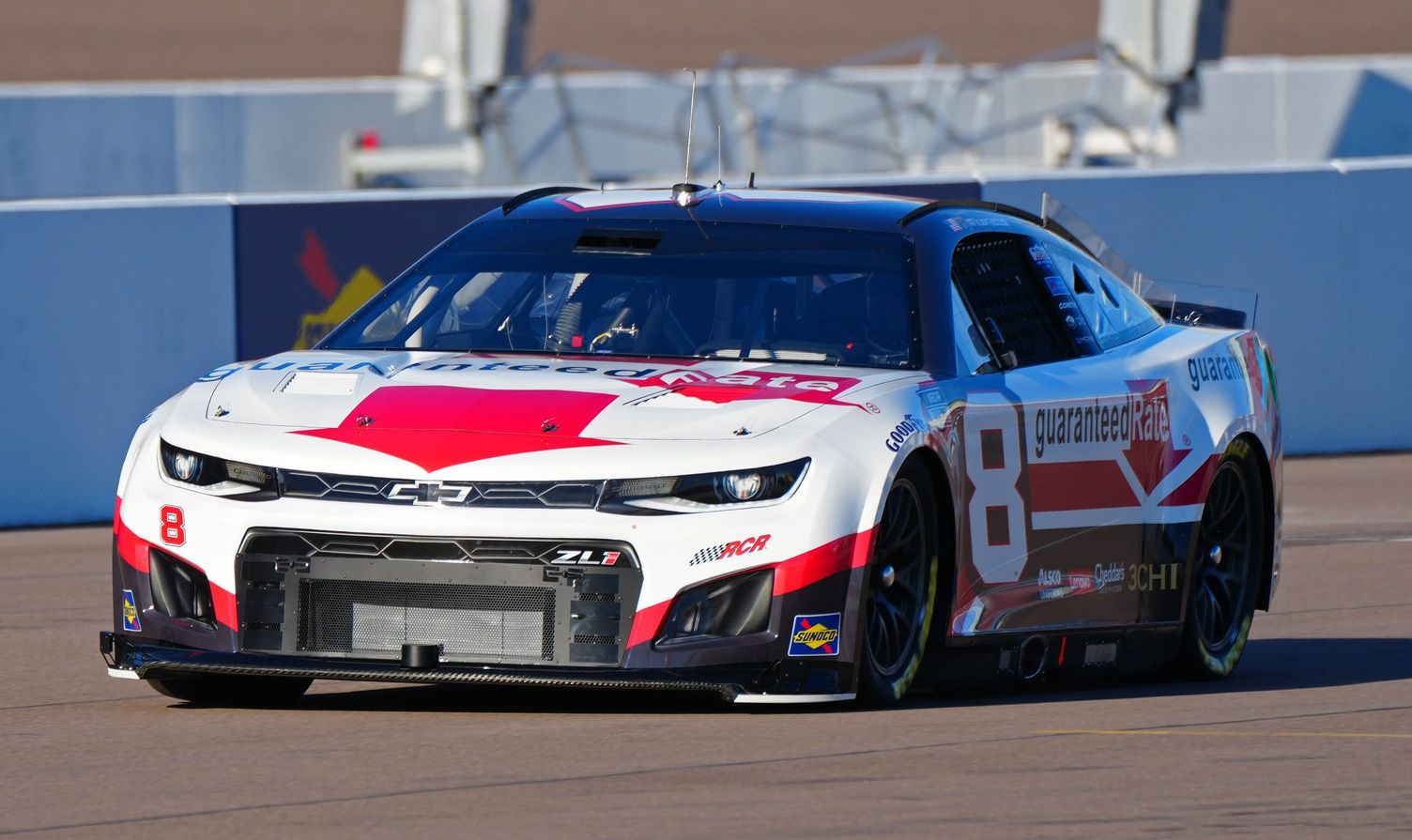
The Next Gen car, which debuted in 2022, was designed to cut costs and balance competition. It brought features like independent rear suspension and sequential shifting, moving the series closer to international motorsports standards. However, it has not been without criticism.
Many in the NASCAR community argue that the car’s spec-based design — relying on single-source parts — has removed much of the engineering creativity and unpredictability that once defined stock car racing. Tire grip and the current 670-horsepower rules package have also been called out for making races feel too uniform and reducing on-track drama.
Dirty air and aerodynamic issues have become common points of frustration, with several high-profile drivers and managers voicing concerns throughout the 2024 and 2025 seasons.
While a new ECU could deliver more consistent data and improved efficiency, it will not address all the major concerns fans and teams have with the car’s core design. Until NASCAR announces further changes, the racing world is left to speculate whether this latest technical shift will truly deliver the excitement and parity the Next Gen era promised.
For now, all eyes are on the upcoming Charlotte tests, and what they might reveal about the next step in NASCAR’s ongoing evolution.