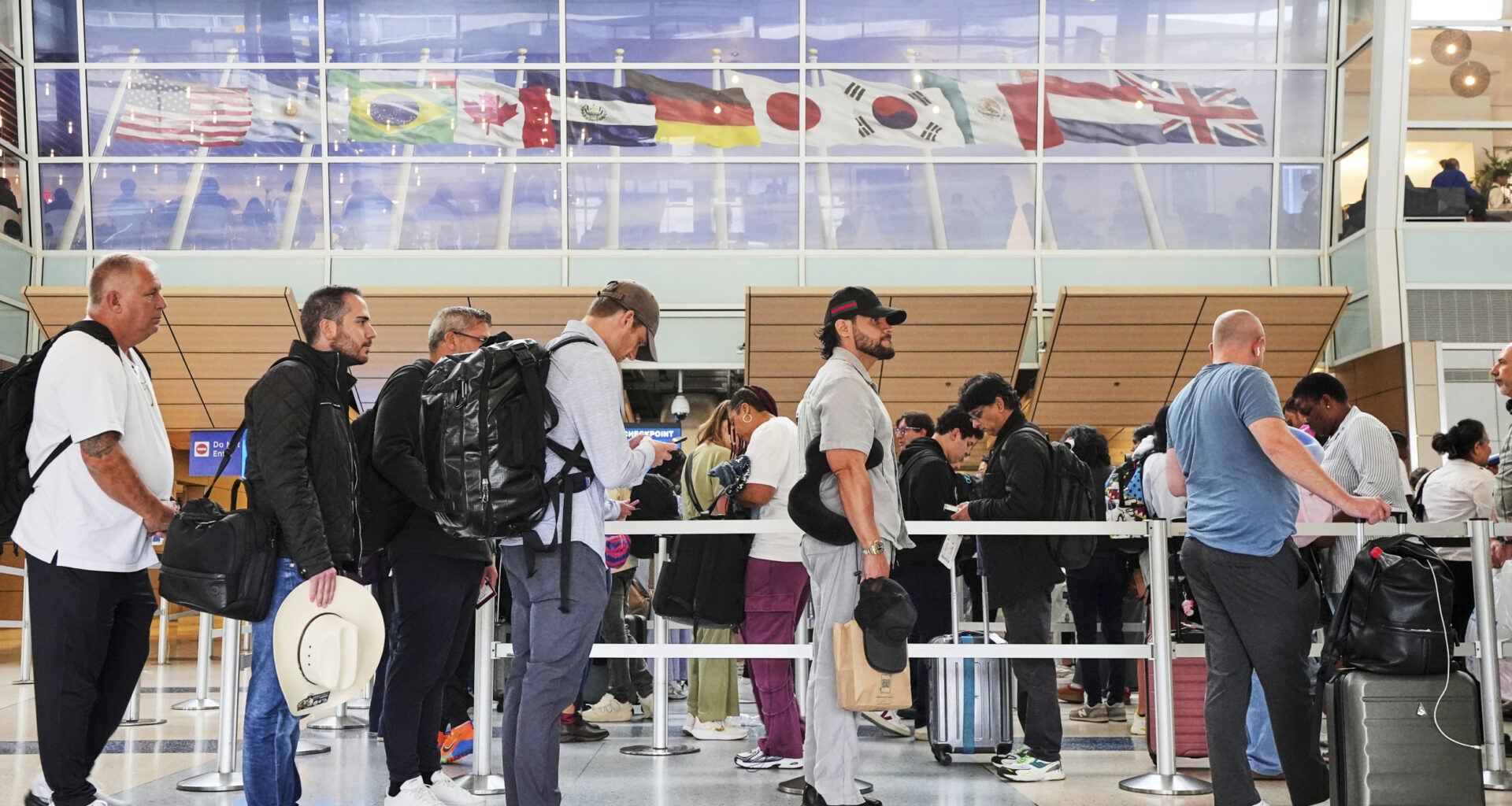
A massive telecommunications outage caused chaos at Dallas–Fort Worth International Airport (DFW) and Dallas Love Field on Friday, forcing federal officials to halt flights, and leaving thousands of travelers stranded across the region.
Newsweek has contacted the Federal Aviation Authority (FAA) for comment via email.
Why It Matters
Flight delays on this scale ripple far beyond Dallas. Thousands of stranded passengers mean missed family events, lost business opportunities, and cascading disruptions at airports nationwide.
The incident also underscores vulnerabilities in the U.S. aviation system—where a single technical failure can ground flights across the country—raising fresh concerns about whether America’s aging air traffic infrastructure can keep pace with record travel demand.
What To Know
The FAA said it was forced to slow and stop flights after a “local telephone company equipment issue” disrupted air traffic systems, according to CBS News.
The outage, which the FAA stressed did not involve its own equipment, affected DFW and Love Field, two of the nation’s busiest airports.
The FAA halted departures into DFW until 11 p.m. ET and into Love Field until at least 8:45 p.m. Officials warned delays would ripple through the evening. “The FAA is working with the telephone company to determine the cause,” the agency said.
DFW Airport told Newsweek on Saturday: “The FAA lifted the ground stop at DFW last night. Customers should continue to check with their airline for up-to-date flight status.”
By late Friday afternoon, nearly 1,800 flights were delayed and hundreds canceled, according to FlightAware. At DFW, about 700 flights were delayed and 200 canceled. Love Field saw 160 delays and at least one cancellation.
A spokesperson for Dallas Love Field told Newsweek that the airport does not know when the outage will be fixed.
“Since Friday, September 19, the FAA has issued ground stops/ground delays throughout DFW due to an equipment outage,” they said in a statement. “Passenger safety is DAL’s top priority, and we are in constant communication with our partners, including the FAA, as they work to manage the situation and minimize disruptions. These and future notices can be viewed on the FAA’s NASS. At this time, we do not have a definite resolution time.
The spokesperson added: “Passengers should check with their airline for the most up-to-date flight status or accommodation information.”
American Airlines, the largest carrier at DFW, canceled more than 200 flights and delayed over 500, impacting roughly a quarter of its schedule. Southwest Airlines reported more than 1,100 delays, or 27 percent of its flights.
The disruptions left passengers scattered across terminals and stuck on grounded planes for hours.
The outage adds to a series of high-profile technical and staffing issues plaguing the FAA this year. On Thursday, the agency slowed flights into Denver International Airport after automation problems required manual handoffs between air traffic controllers.
Congress recently approved $12.5 billion to modernize the nation’s aging air traffic control network, which FAA leaders admit is suffering “tech issues almost every day.”
The system has also faced mounting public alarm over near-misses, staffing shortages, and a deadly January crash involving an American Airlines jet and a U.S. Army helicopter.
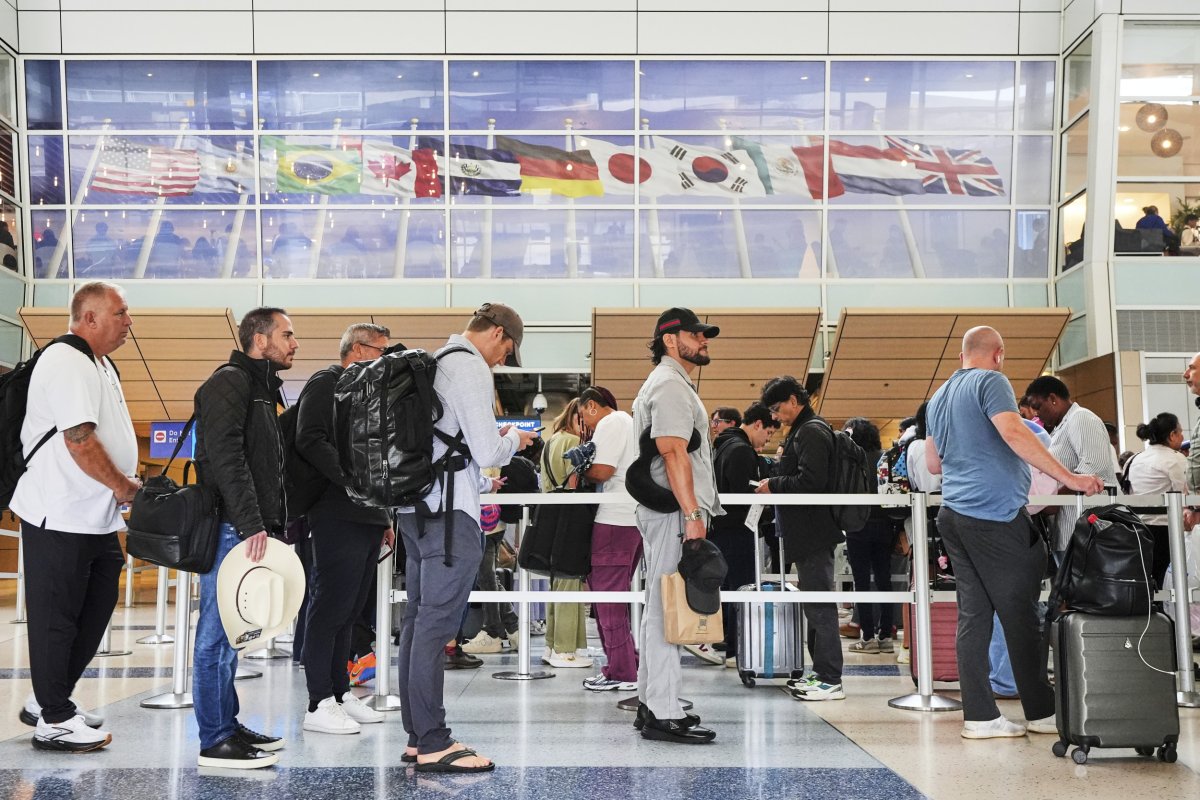
Travelers stand in line at a security checkpoint before boarding their international flights at Dallas Fort Worth International Airport on August 29.
Travelers stand in line at a security checkpoint before boarding their international flights at Dallas Fort Worth International Airport on August 29.
Tony Gutierrez/AP
What People Are Saying
One traveler from Allen, Texas, hoping to visit her son in the military in Florida, told CBS News that she would miss the trip entirely.
“I haven’t seen him in about 10 months,” she said. “Sadly, all the flights tomorrow are booked also, so I’ll be missing my weekend with him.”
A passenger from Columbus, Ohio, described to CBS News her first solo flight turning into a seven-hour ordeal after her plane was rerouted to Oklahoma.
“It was supposed to be a two-and-a-half-hour flight,” she said. “People were annoyed. Some almost drove home.”
What Happens Next?
Flights have now been resumed, though delays persist, and are likely to continue.
Update 9/20/25, 9:06 a.m. ET: This article has been updated with comment from DFW Airport.
Update 9/20/25, 10:06 a.m. ET: This article has been updated with comment from Dallas Love Field Airport.