Jacqueline Renfrow is grateful her kids will return to school soon, after Alberta legislated striking teachers back to work early Tuesday. However, the Calgary parent calls it a bittersweet feeling, since a key issue of the three-week strike — large class sizes — remains unresolved.
In classes of close to 30 kids, her daughters have fallen behind these past few years, unable to get individualized support from teachers who are “really good at their jobs,” but frequently overwhelmed with demands, says Renfrow, who’s a regular volunteer at the school.
She’s been forced to hire outside tutors. Her nine-year-old, who started school during the COVID-19 pandemic, has especially struggled.
“This is something that’s been brewing for years,” she said. “I’m disappointed that they’re forcing [teachers] back to school without coming up with at least some solutions or some steps forward.”
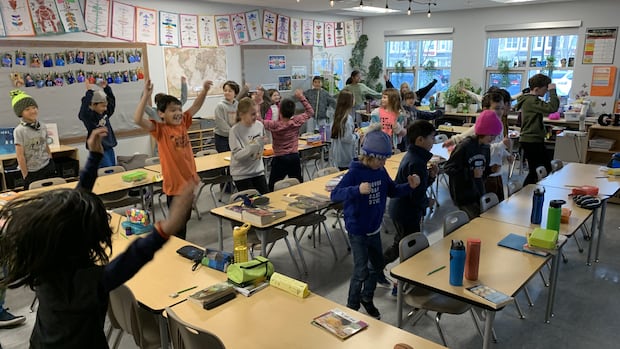
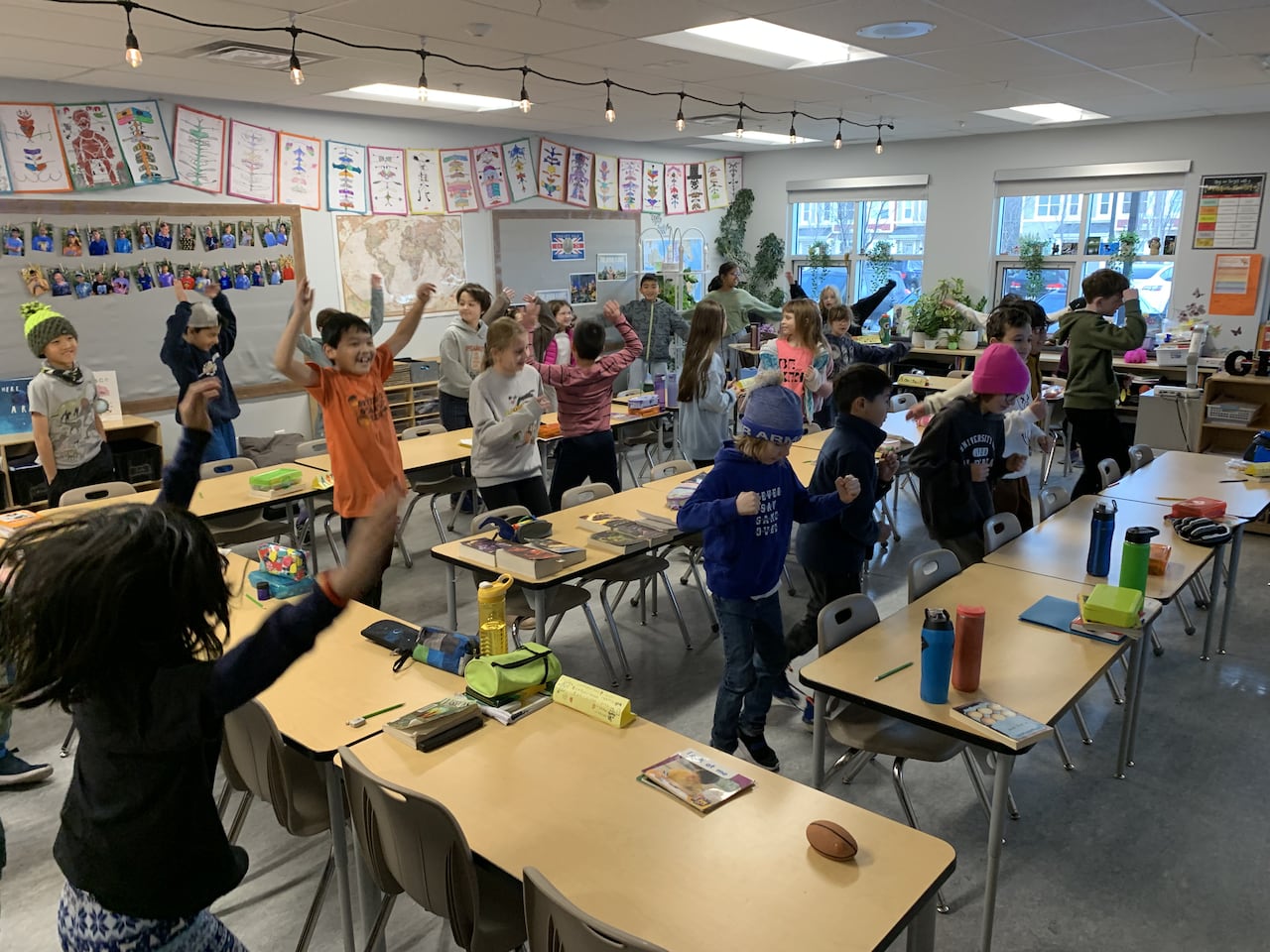 Elementary students in Edmonton are seen in 2023 taking an activity break in class, due to limited access to the gym. (Janet French/CBC)
Large class sizes aren’t just a top concern for teachers in Alberta: Those in Ontario have also raised the issue, as they prepare to start new contract negotiations. Teachers in Saskatchewan did the same during their rotating strikes last year.
The most recent debates are closely tied to the increased complexity of students in our modern classrooms, experts say. Less homogenous than those of the past, your average class today could include multiple students with special educational supports, youngsters with behavioural challenges, learners with disabilities, those requiring extra enrichment as well as newcomers learning English or French.
Yet while some see capping class sizes as a solution, others call for changing what’s actually happening inside the room.
More challenges in teaching than ever
In Alberta, parents and teachers alike have lamented class sizes growing past 30 or 40 students. Alberta Teachers’ Association president Jason Schilling harkened to his own experience earlier this month.
“Forty-two students was a struggle to make sure that they each got my attention … [versus] when I had 25 kids,” he said two days into the strike.
Schools are being asked to address more challenges than ever — from mental health issues to food insecurity to childcare, notes education consultant Cathy Montreuil — and the response to these is often calls for smaller class sizes.
“It comes up in almost every round of negotiations in education,” said Montreuil, a former deputy minister of education in Nova Scotia and chief student achievement officer in Ontario.
 Thousands of people descended on the Alberta Legislature grounds in Edmonton last week to show support for educators. (Julia Wong/CBC)
Indeed, after surveying members earlier this year, the Elementary Teachers’ Federation of Ontario (ETFO) said it was a top priority. The organization will specifically call for caps in grades 4 through 8 (to join Ontario’s existing cap for younger students) when negotiating a new contract in 2026.
Class sizes are “at the heart” of every issue teachers face today, said ETFO president David Mastin, from staff retention to violence to education quality.
WATCH | Large class sizes still unresolved:
With all the teacher strikes, class sizes aren’t getting any smaller
Teachers and their unions across the country say increasing class sizes remain their biggest concern, but even after teachers strikes classes aren’t getting smaller. Experts say governments need to prioritize the students and not the bottom line.
Canadian classrooms are much more complex now than 30 or 40 years ago, he explained, and today’s student mix includes a wider swath of learners with diverse needs.
“Every single one of our 84,000 members would tell you, ‘Give me a little bit smaller class size and I’ll be able to do more.'”
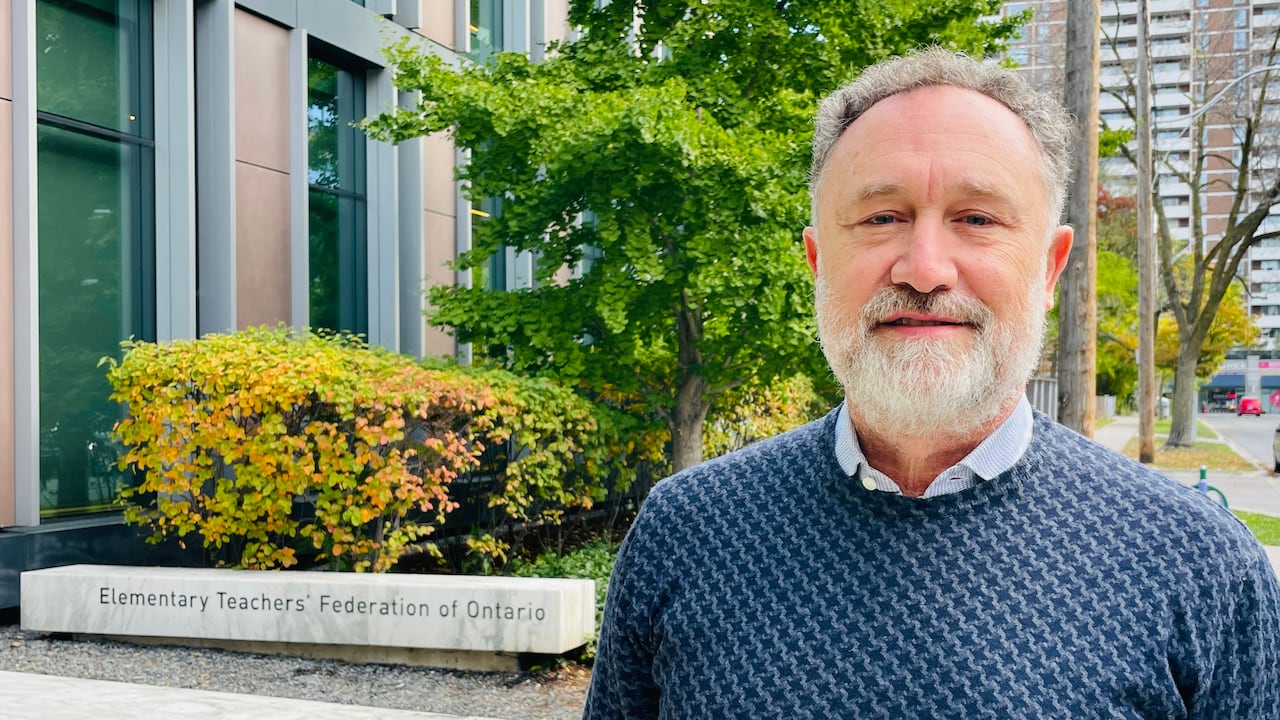 Large class sizes are intertwined with the multitude of other challenges facing Ontario teachers, from staff retention to violence in schools, says David Mastin, president of the Elementary Teachers’ Federation of Ontario. (Sue Goodspeed/CBC)Divergent views of class sizes
While educators consider teacher-to-student ratios a barometer of their working conditions, governments tend to think of that same figure as a measurement of efficiency in a school system, says Darryl Hunter, a professor of educational policy studies at the University of Alberta.
Because of that, “you can have very different views about what is a desirable ratio,” noted the former high school English teacher, who’s also worked for education ministries in three provinces.
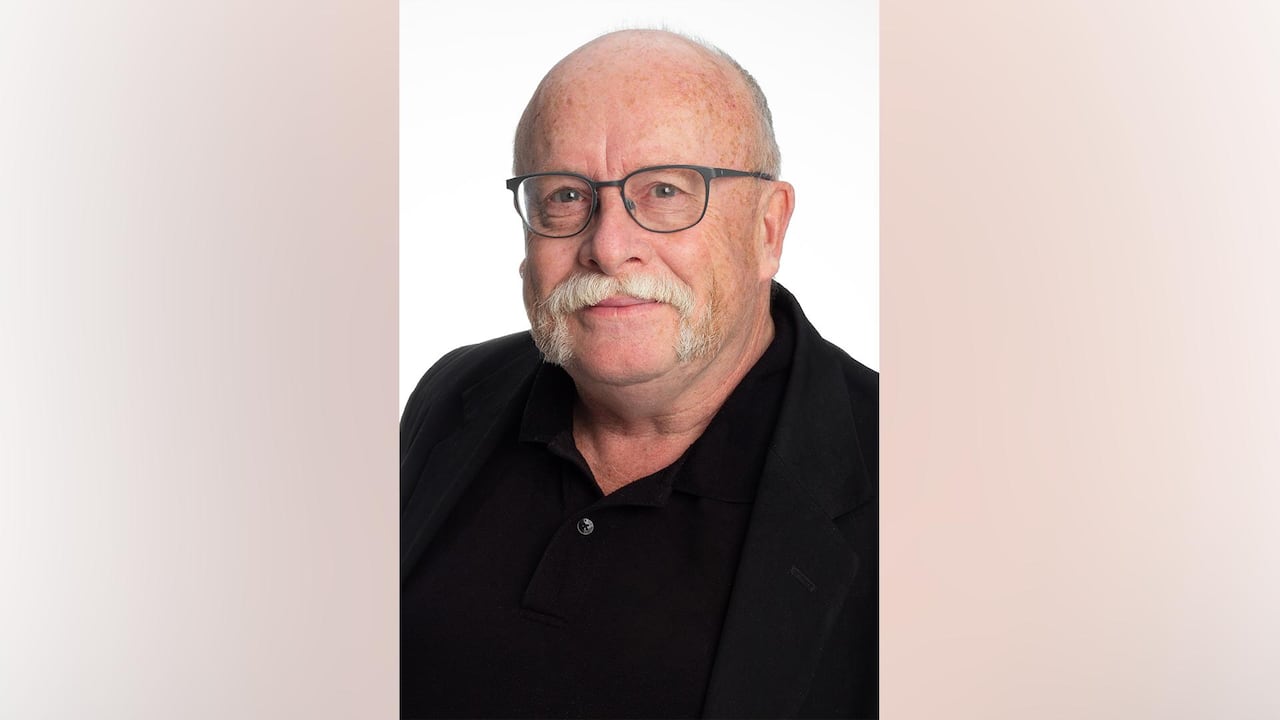 As class sizes go up, that typically means teachers get less time with each student and for deeper classroom engagement, says education professor Darryl Hunter. (Laura Sou/University of Alberta)
Hunter says small classes give an academic boost in the youngest grades: when students should be developing the foundational reading, writing and math skills that subsequent learning builds upon. By high school, however, he thinks the impact is more debatable and also depends on the subject.
That said, when class sizes grow, Hunter says teachers inevitably have less time to interact with students individually and often less room for creative, hands-on learning.
A teacher could technically teach chemistry strictly from a textbook, have students “fill in the worksheets, never turn on a Bunsen burner and never have any real hands-on experience with any equipment,” he pointed out.
“[But] is that really what they’re there to learn? How to do worksheets?”
Though grades and class sizes are indicators for analyzing school systems, Hunter believes they shouldn’t be the only focus: “Public education has multiple goals. It’s not all about academic achievement.”
‘Doing things differently’
Rather than getting stuck on comparing class sizes, educational consultant Montreuil also believes we need to shift the conversation. She’d prefer more focus on changes that can move classrooms forward.
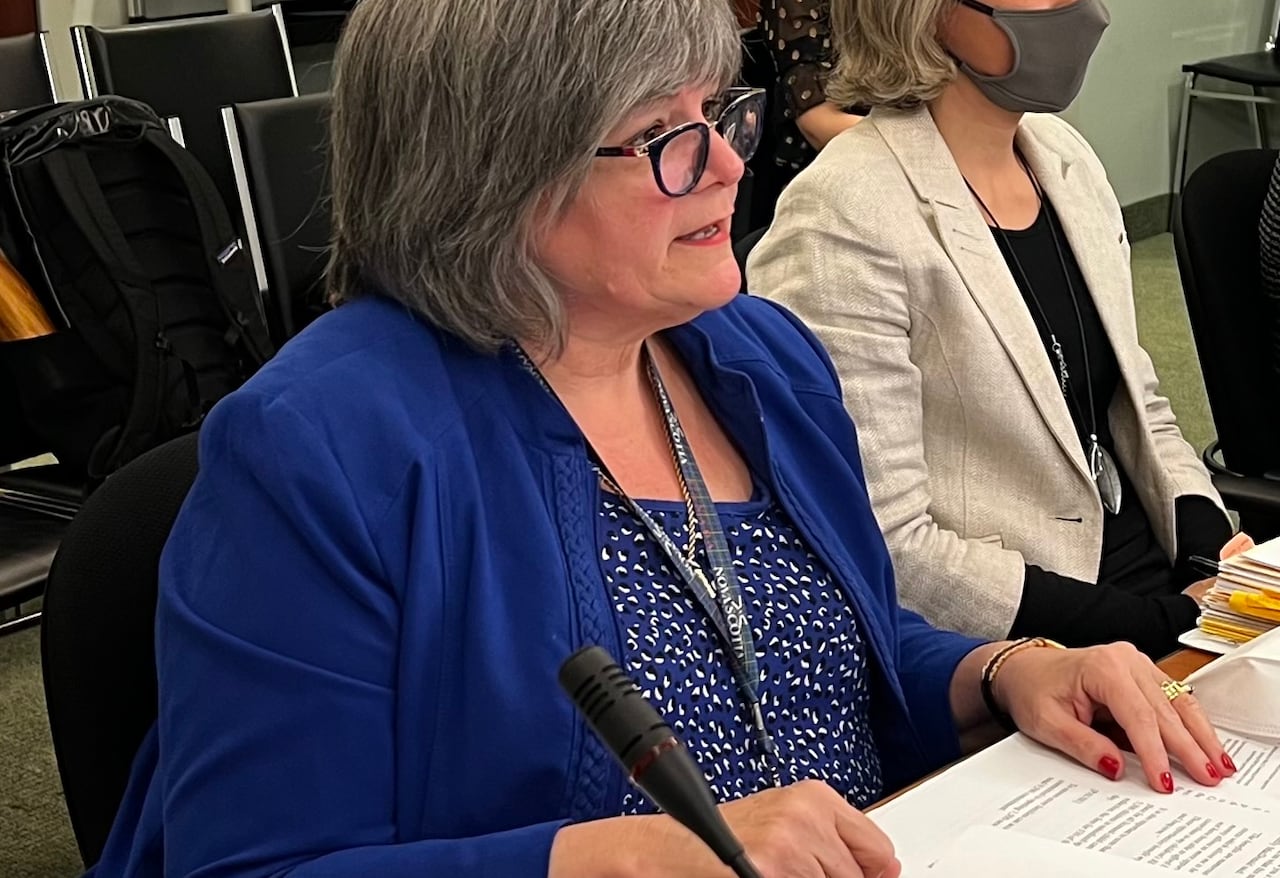 Cathy Montreuil, former deputy minister of the Department of Education in Nova Scotia and former chief student achievement officer in Ontario, wants the focus to shift from class size comparisons to strategies that can improve student learning. (Jean Laroche/CBC)
For example, “we know more today about the whole range of autism and successful strategies that can be used [for neurodiversity],” she pointed out, or about the systematic, phonics-based approach for teaching students with learning disabilities how to read, which came out of Ontario’s Right to Read report.
Yet she says she’s heard from teachers that they lack training to support complex students, or who say they haven’t learned how to implement those updated techniques.
Also, Montreuil noted that many school boards have hired a range of support staff, from educational assistants to behaviour therapists and psychologists. However, she thinks teachers need more training on collaborating with these professionals to improve student learning.
“There will always be a call for more bodies to support kids in classrooms, but unless those bodies are doing things differently now than they did 10 or 20 years ago, that incessant ask for more people is never going to change,” she said in an interview from Hanover, Ont.
Instead, the focus should shift to “how do the kids today need our schools to be different,” Montreuil said.
“I think that will lead to a better spend of educational dollars and better long-term results in our schools academically, socially and behaviourally.”
WATCH | Parents, educators conflicted about forced return to the classroom:
Anger simmers over Alberta’s use of notwithstanding clause
The Alberta government’s use of the notwithstanding clause to end the teachers strike has the union looking for ways to challenge the move and left parents and educators conflicted about the return to the classroom.