Unfortunately, not every character contributes something significant to the MCU. Over the years, Marvel Studios has introduced an enormous roster of characters, from the most iconic heroes in pop culture to obscure comic book deep cuts. Some of these interpretations have faithfully captured the spirit of their comic counterparts, and others have added an original flair to the franchise.
However, not every portrayal has landed as well as intended. As the MCU expands, certain characters have struggled to find a clear identity or meaningful role. Some are radically different from their comic versions with little narrative payoff, and others simply fade into the background after one lackluster appearance.
10
Korg
Immortal As Of Thor: Love and Thunder
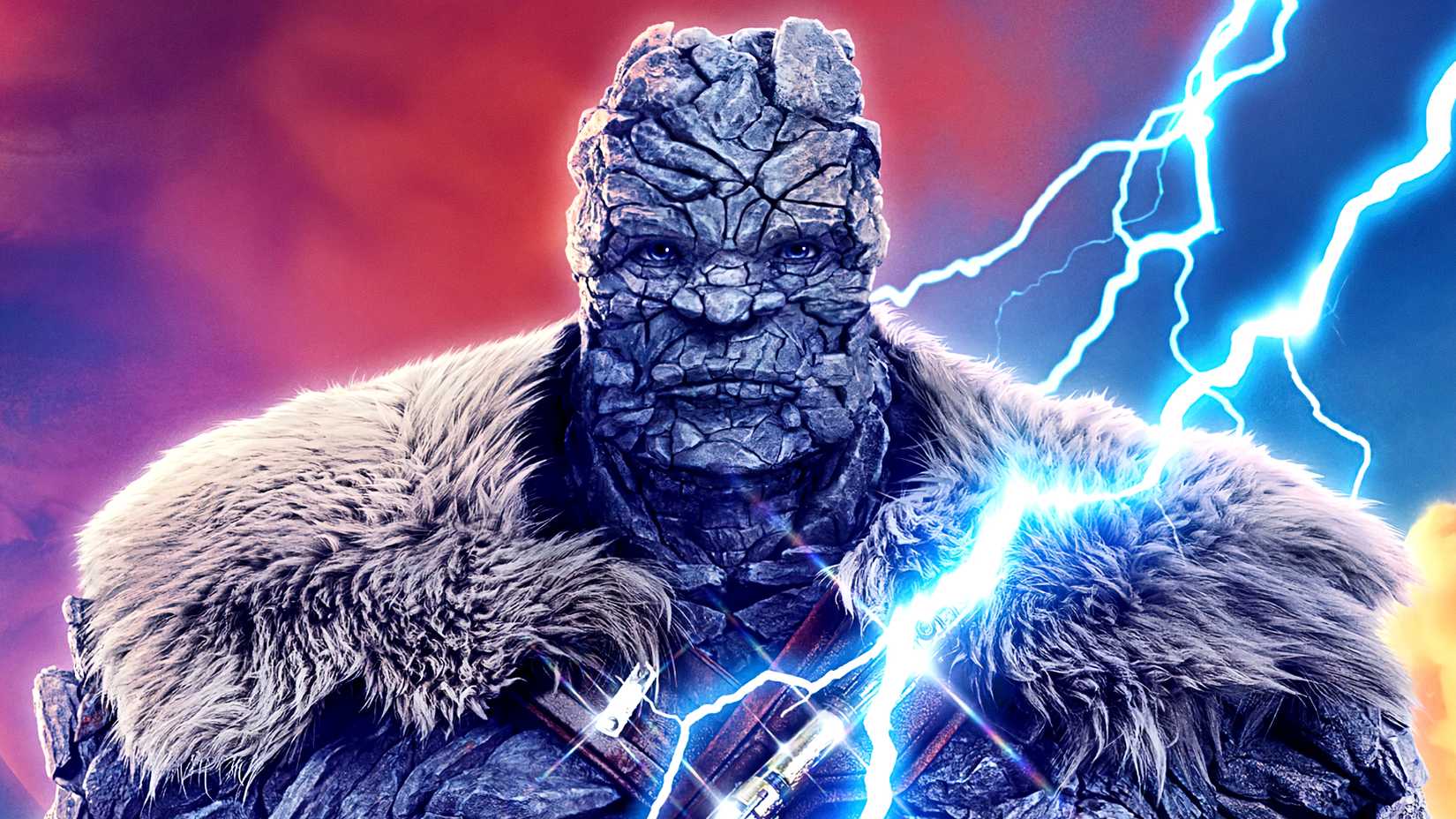
Taika Waititi’s Korg is surrounded by lighting in Thor Love and Thunder poster
Korg’s comic relief was a fun addition to Thor: Ragnarok. By Thor: Love and Thunder, his clueless gimmick has worn thin. Korg’s jokes are repetitive, and his presence reduces every emotional moment to a punchline. When Zeus blasted Korg with his thunderbolt, Korg’s death could have marked the tipping point for Thor, who had been taking things too easy up until then.
Instead, Thor: Love and Thunder revealed that Korg is virtually immortal, as he can survive an attack from Zeus himself as a disembodied face. This decision further reduced the stakes of an already stakeless movie. Korg isn’t a major character in Marvel Comics by any means, but he’s a seasoned warrior and a respected ally to both Thor and Hulk.
9
Ralph Bohner
Completely Unrelated To Quicksilver & Scarlet Witch As Of Agatha All Along
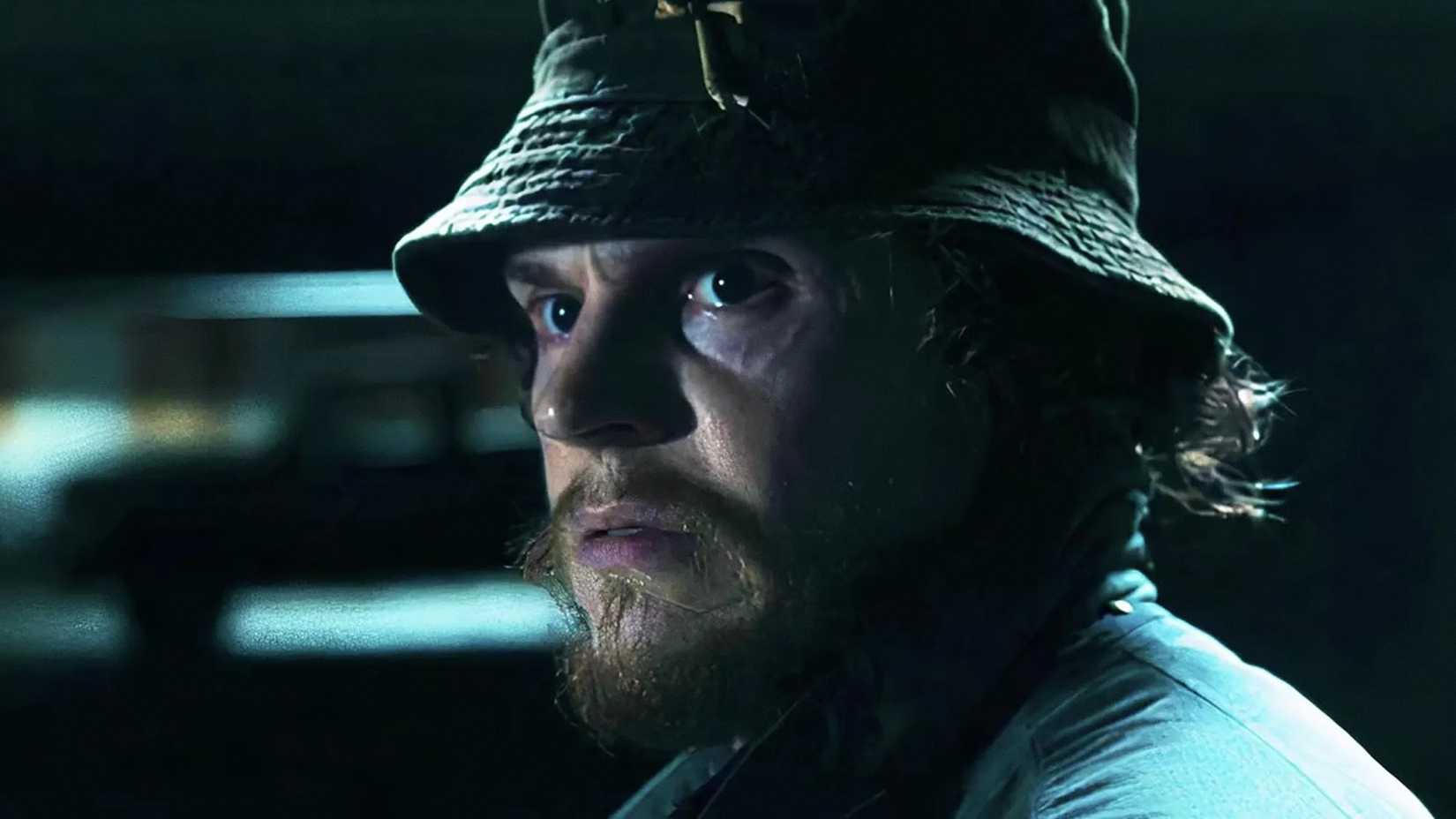
Ralph Bohner wears a hat while undercover in a parking lot in Agatha All Along
Ralph Bohner is a frustrating misfire. Avengers: Age of Ultron wasted Quicksilver by killing him off in his debut movie despite his deep ties to both the Avengers and the X-Men. Years later, WandaVision seemed ready to right that wrong by introducing Evan Peters’ beloved X-Men portrayal. Fans were thrilled, until the series revealed he was just a random guy named Ralph Bohner, hired by Agatha Harkness.
While shocking in the moment, WandaVision’s Ralph Bohner twist undermined both Wanda’s grief and Quicksilver’s potential. Marvel has boxed Quicksilver into a corner: bringing back either version of Pietro Maximoff risks confusing audiences. Meanwhile, Evan Peters’ Ralph Bohner is hanging around aimlessly with little meaningful to do, wasting the actor’s talent.
8
Wasp
Contributed Almost Nothing As Of Ant-Man and the Wasp: Quantumania

Hope van Dyne flies wearing her costume in Ant-Man and the Wasp Quantumania
Wasp is probably the most overlooked Avenger in the MCU. In Marvel Comics, Janet van Dyne is a cornerstone of the Avengers, having co-founded and named the team herself. Although replacing Janet with her daughter Hope had potential, the MCU barely paid any attention to its Wasp. Ironically, Hope’s most meaningful moments came in Ant-Man, before she wore the costume for the first time.
By Ant-Man and the Wasp: Quantumania, Hope has become almost irrelevant, barely speaking in a film that bears her name. Janet van Dyne’s story started to pick up, but her close ties to Kang are now rendered meaningless after Kang’s removal from Marvel’s plans. What could have been a powerful legacy role for two Wasps is now an afterthought.
7
Zeus
Entirely Comic Relief As Of Thor: Love and Thunder
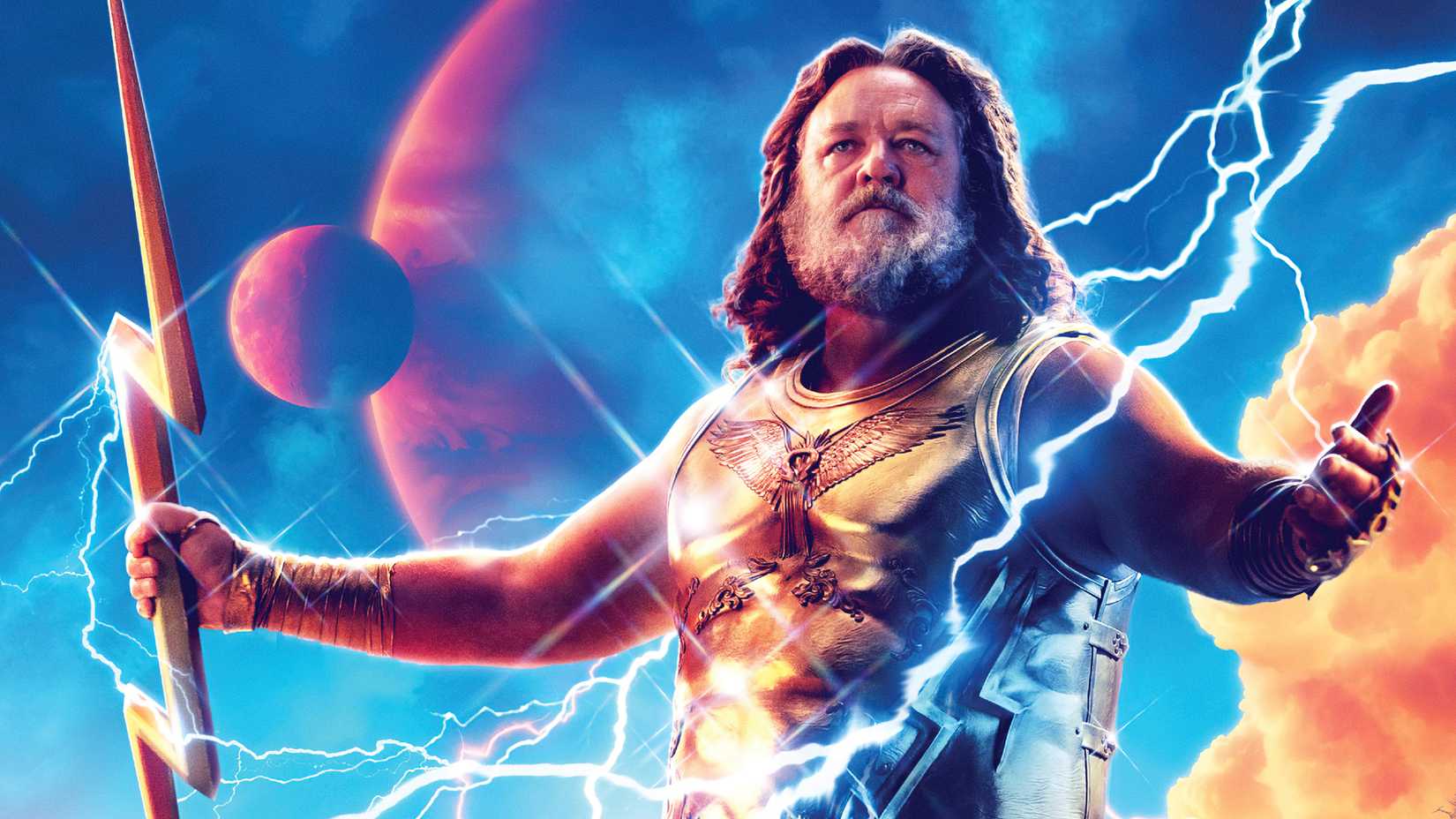
Russell Crowe’s Zeus wields the golden thunderbolt in Thor Love and Thunder
Thor: Love and Thunder wasted one of the most powerful mythological figures in fiction and real-world history. Russell Crowe’s Zeus could have expanded the MCU’s cosmic mythology further than the Nine Realms. Instead, he was reduced to a parody. Even his “death” is portrayed as comedic and is undone by the end of the movie.
In his defense, Russell Crowe’s Zeus embodies the playful and hedonistic elements that most modern fictional stories ignore. But while he isn’t as prominent in Marvel Comics, Zeus commands respect as the ruler of the Olympian gods and Marvel’s Thunder gods, as well as a peer to Odin himself. Hopefully, Thor’s eventual battle with Hercules will portray Zeus as a more developed character.
6
Sersi
Disappointingly Bland As Of Eternals
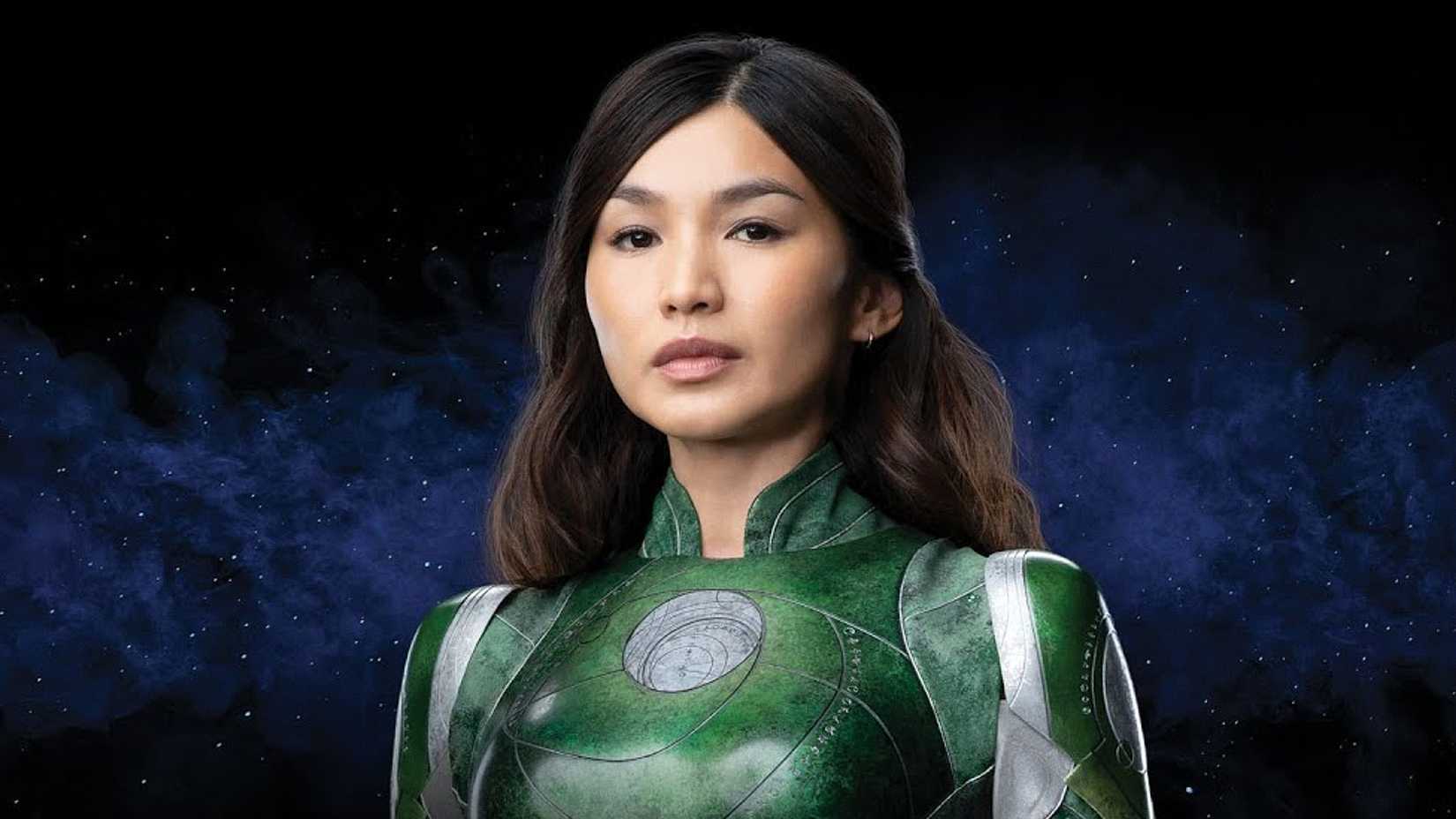
Gemma Chan’s Sersi looks at the camera in outer space in Eternals character poster
Despite being Eternals’ main character, Gemma Chan’s Sersi ended up feeling like one of the flattest characters in the MCU. Her transmutation powers could have made her one of the most fascinating heroes in the franchise. Unfortunately, Eternals buried her potential under dull exposition and an underdeveloped love triangle.
In Marvel Comics, Sersi is far from the restrained scholar she’s portrayed as on screen. She’s a flamboyant, confident Avenger who embraces her immortality and individuality, often outshining her Eternal peers. Her playful arrogance and defiant spirit made her a fan favorite in the 1990s. Unless the MCU’s Eternals return with stronger direction, Sersi’s potential may stay untapped forever.
5
Taskmaster
Totally Wasted As Of Thunderbolts*
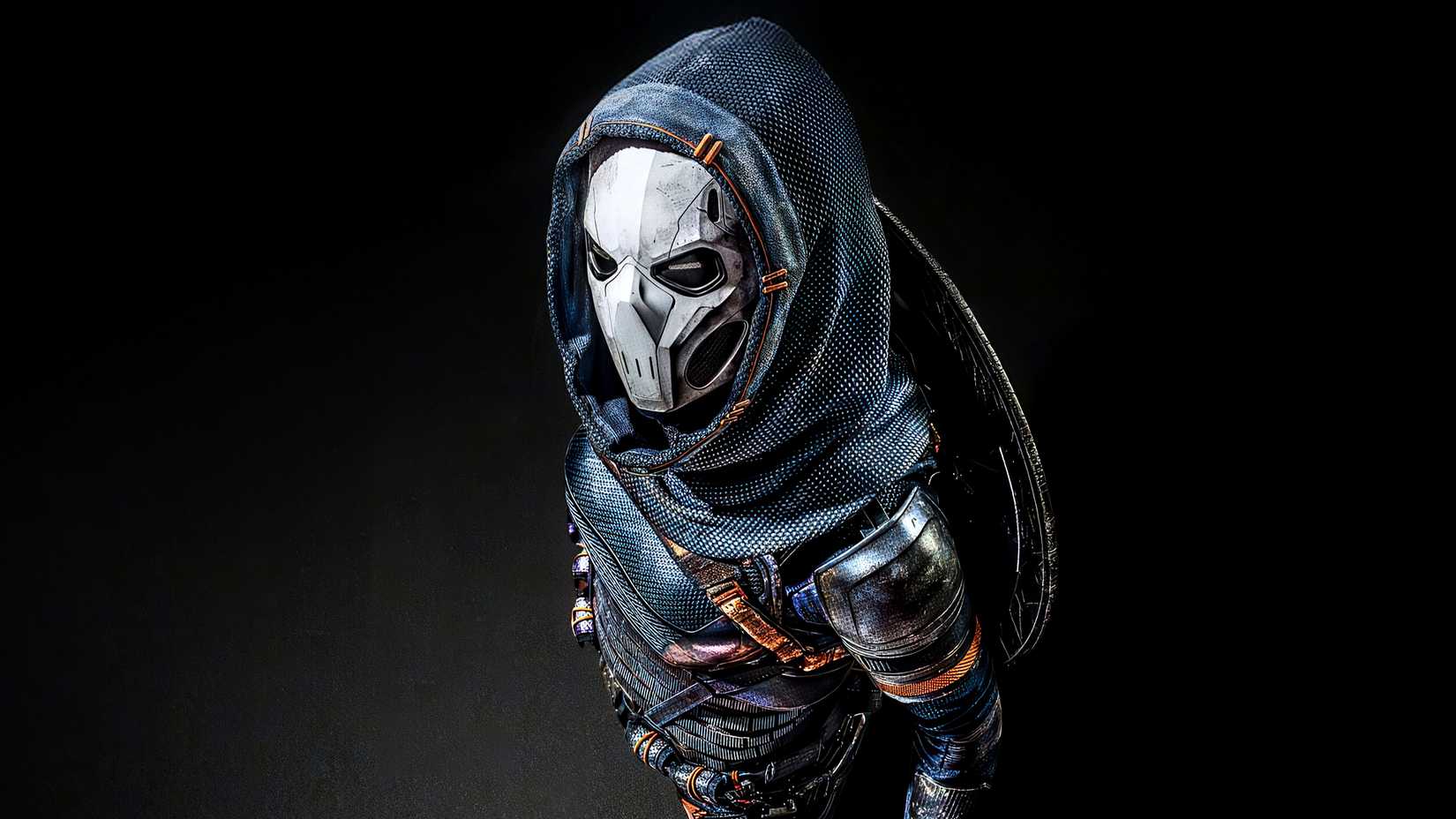
Antonia Dreykov aka Taskmaster looks up at the camera on a black background in Thunderbolts character poster
Black Widow turned one of Marvel’s most charismatic mercenaries into a mute, emotionless pawn. Instead of the boastful, sharp-tongued assassin Anthony Masters, the MCU introduced a blank slate of a character in Antonia Dreykov. Antonia’s death in Thunderbolts* only added insult to injury, as it didn’t even make any lasting impact on her teammates.
In Marvel Comics, Taskmaster is an unpredictable and hilarious mercenary who toes the line between anti-hero and villain. Tony Masters’ photographic reflexes make him a powerful foe, but it’s his wit and ego that make him so memorable. Taskmaster’s MCU reinvention is a baffling creative choice that turned a fan-favorite wild card into one of Marvel Studios’ biggest wasted opportunities.
4
Party Thor
Redundant As Of What If…?
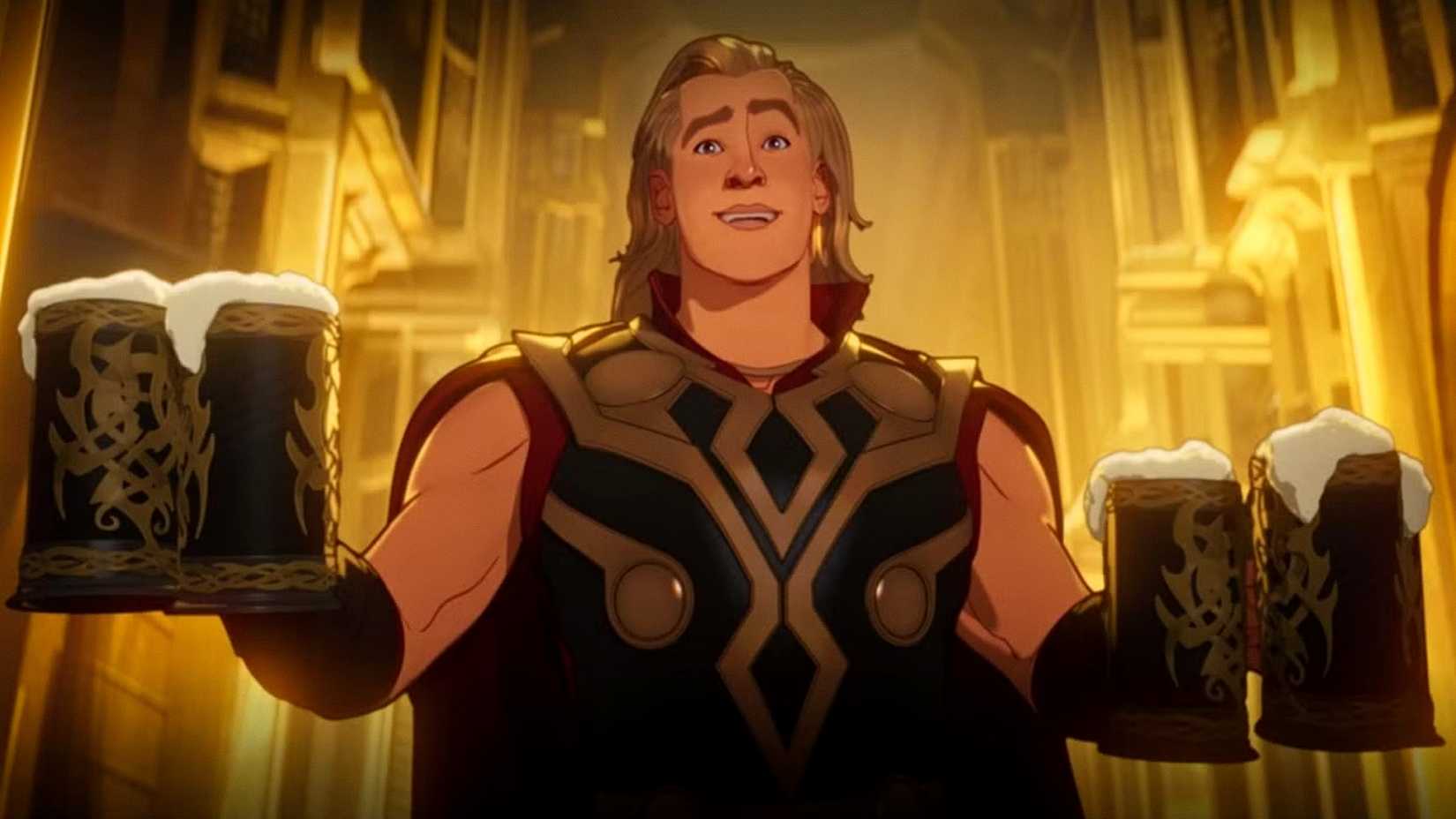
Party Thor holds multiple beers in his hands in What If season 1
What If…? promised limitless creativity with countless alternate realities and wild character reinventions the live-action MCU could never feature. Ultimately, those infinite possibilities didn’t feel too limitless. “Party Thor” is the clearest symbol of the show’s wasted potential. With dozens of characters to reinvent, What If…? instead introduced a slightly goofier version of Phase 1’s Thor.
Party Thor didn’t even return in What If…? season 2 and 3 despite co-founding the Guardians of the Multiverse. Even worse, Chris Hemsworth’s mainline Thor doubled down on his comedic traits immediately afterward in Thor: Love and Thunder, making Party Thor even more redundant. In a show meant for experimentation, Party Thor represents Marvel’s frustrating fear of truly breaking boundaries.
3
G’iah
Overpowered And Aimless As Of Secret Invasion
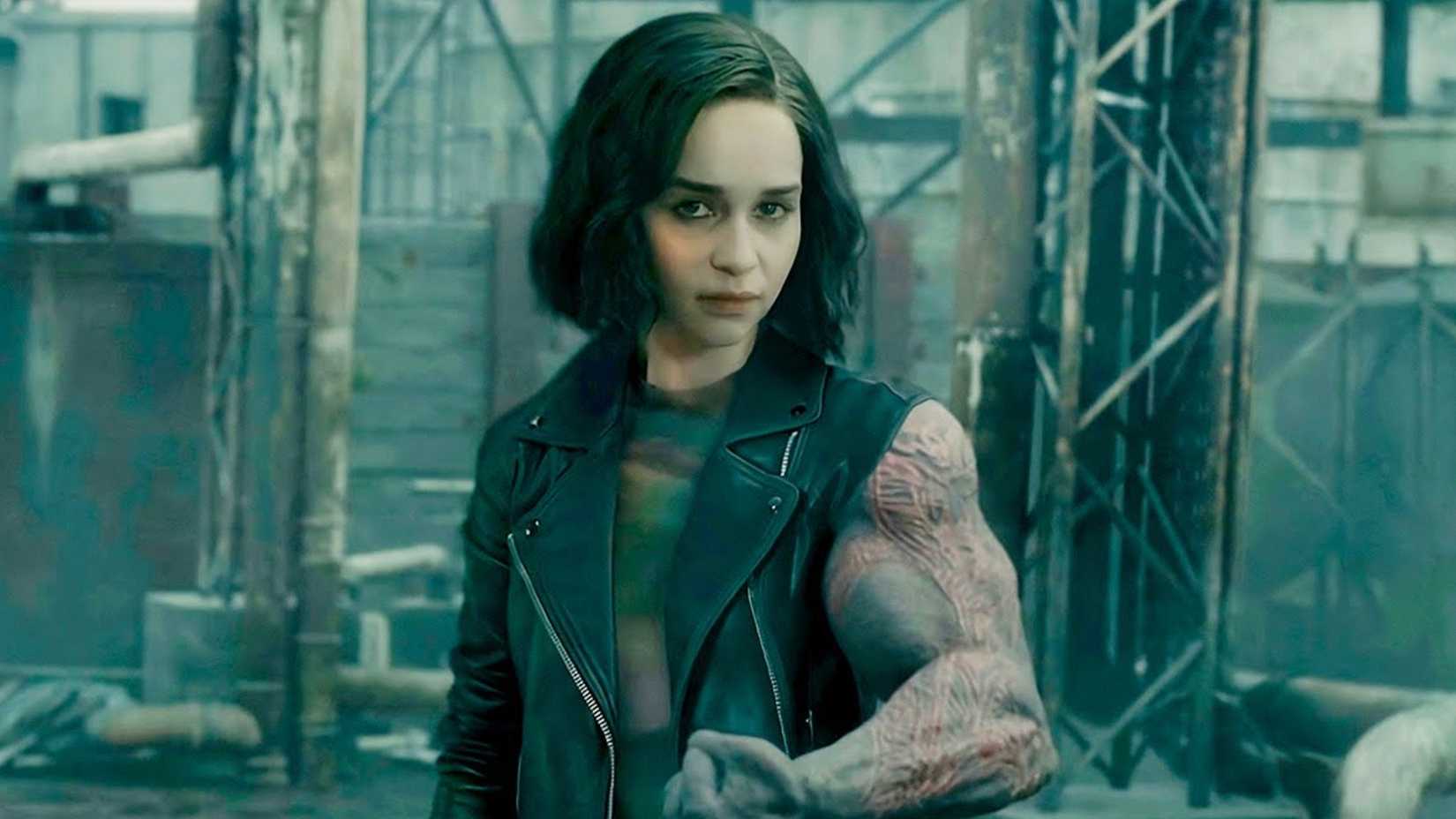
The Super Skrull Giah shapeshifts to clone Drax’s arm in Secret Invasion finale
Secret Invasion had the potential to be a grounded political thriller centered on Nick Fury and the Skrulls, but instead, it devolved into a Super-Skrull showdown. Emilia Clarke’s G’iah suddenly hijacked the narrative and transformed into the MCU’s most powerful character with minimal setup. After absorbing the DNA of dozens of heroes and villains, G’iah effortlessly defeated Gravik and escaped, never to be seen again.
G’iah’s unearned near-omnipotence makes it difficult for Marvel to reintroduce her naturally, and her absence since Secret Invasion only highlights how poorly conceived her arc was. G’iah also has no comic counterpart, which only adds insult to injury for Marvel Comics’ original Secret Invasion storyline. Both G’iah and her show remain two of the most aimless additions to MCU lore.
2
Starfox
Puzzling As Of Eternals
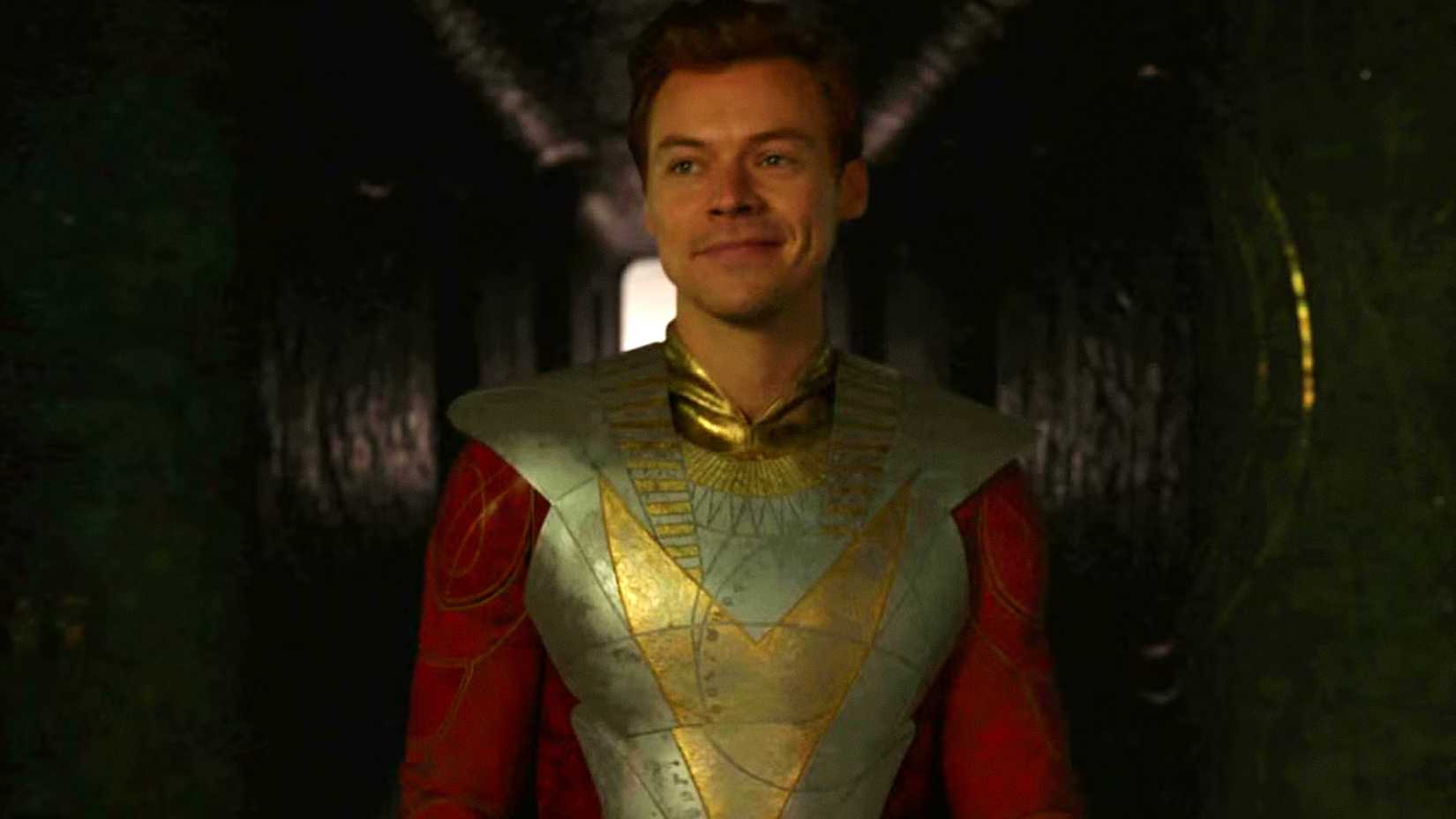
Harry Styles’ Eros aka Starfox arrives at the spaceship in Eternals’ post-credits scene
Harry Styles’ debut as Starfox in Eternals’ post-credits scene remains one of the MCU’s most confusing moments. Eternals spends its entire runtime dealing with the milennia-spanning history of the Eternals and their influence on Earth. Then, after the credits roll, pop star Harry Styles arrives, presented as Thanos’ brother by a CGI troll. Starfox’s reveal had no buildup, no connection to the movie’s events, and no clear direction for what his arrival actually means.
Years later, neither Starfox nor the rest of the Eternals have returned. Marvel Comics’ Eros a.k.a. Starfox is tied to the Avengers and to the larger cosmic hierarchy, but the MCU reduced him to a celebrity cameo. The longer Marvel waits to follow up on his story, the clearer it becomes that Starfox’s debut was a throwaway moment of fan service.
1
Sabra
Redundant As Of Captain America: Brave New World
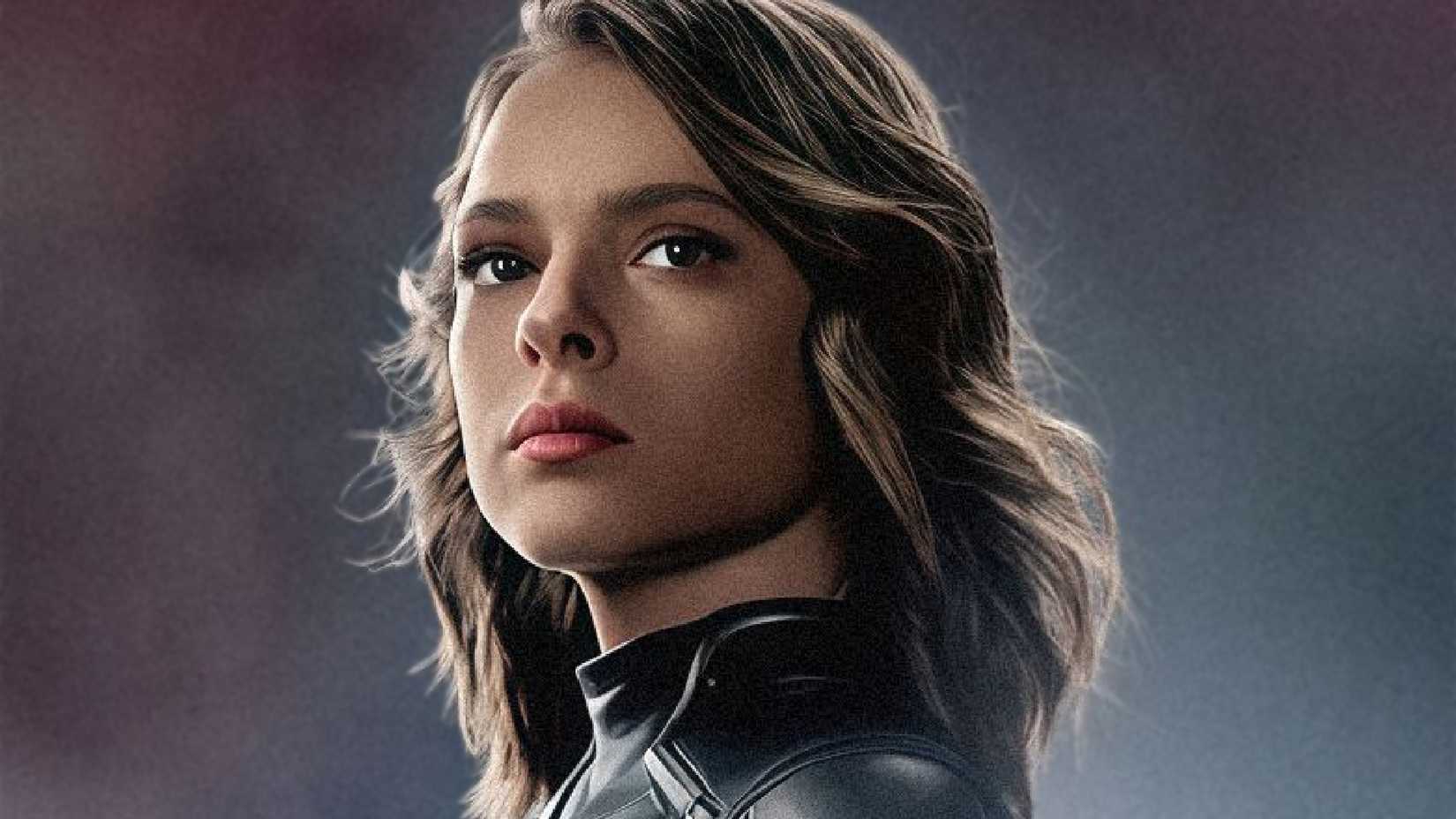
Shira Haas’ Sabra wears a superhero suit in Captain America Brave New World
Introduced with heavy controversy due to her Israeli origins and military affiliations in the comics, Sabra’s introduction in Captain America: Brave New World was controversial from the start. Marvel Studios drastically altered Ruth Bat-Seraph’s backstory and removed her superhero identity altogether. This change led to a watered-down version of an already plain character.
The MCU’s Sabra is little more than a background operative. Her role as a former Black Widow allied with the U.S. government makes her indistinguishable from countless other espionage agents already in the franchise. She neither challenges Sam Wilson’s ideals nor advances the movie’s themes in any meaningful way.