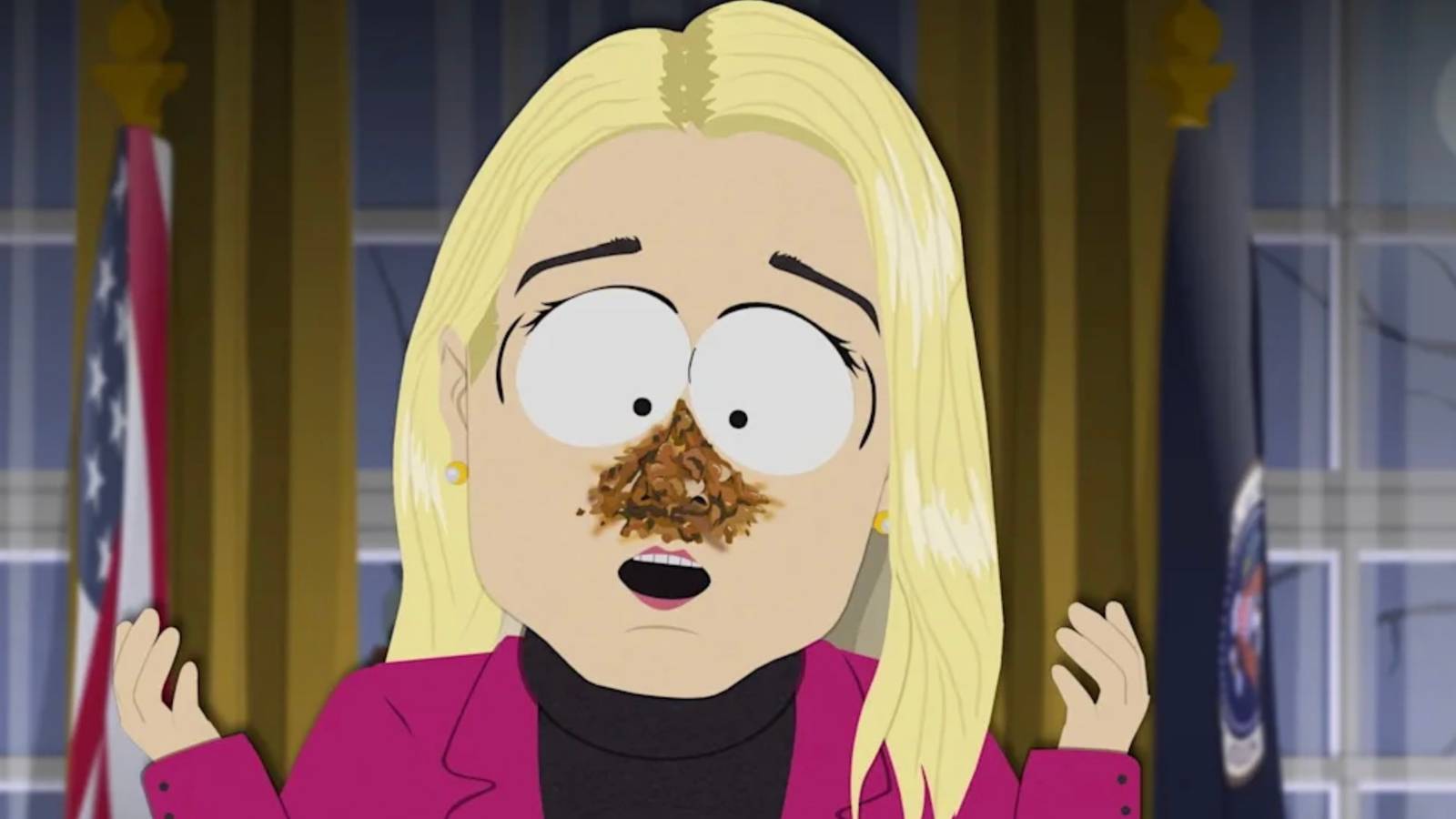
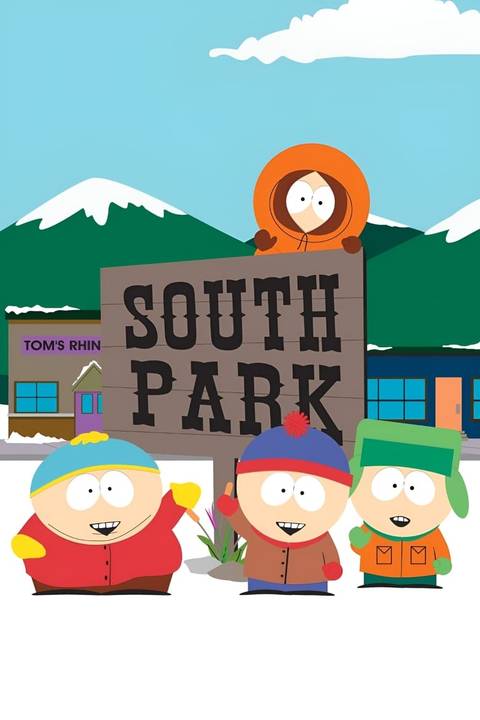
While South Park has been through many different iterations over the decades, the show’s latest outing brings back its earliest obsessions, along with all the controversy they entailed. Even though The Simpsons is the longest-running scripted primetime American TV show in history, South Park is not that far behind.
Now in its 28th season, the satirical series has been around since before Family Guy and reached the big screen before The Simpsons, with South Park: Bigger, Longer, and Uncut arriving in cinemas in 1999. That said, South Park’s life on screen has been a lot messier and more controversial than the comparatively family-friendly tenure of The Simpsons.
The many banned episodes of South Park serve as evidence of the show’s sharp, unsparing satirical edge, as well as its tendency to rub censors up the wrong way. As recently as August 2025, episodes of South Park season 27 engendered an outraged response from President Donald Trump when the show depicted him literally in bed with Satan himself.
South Park Season 28 Focuses On Religion and Horror
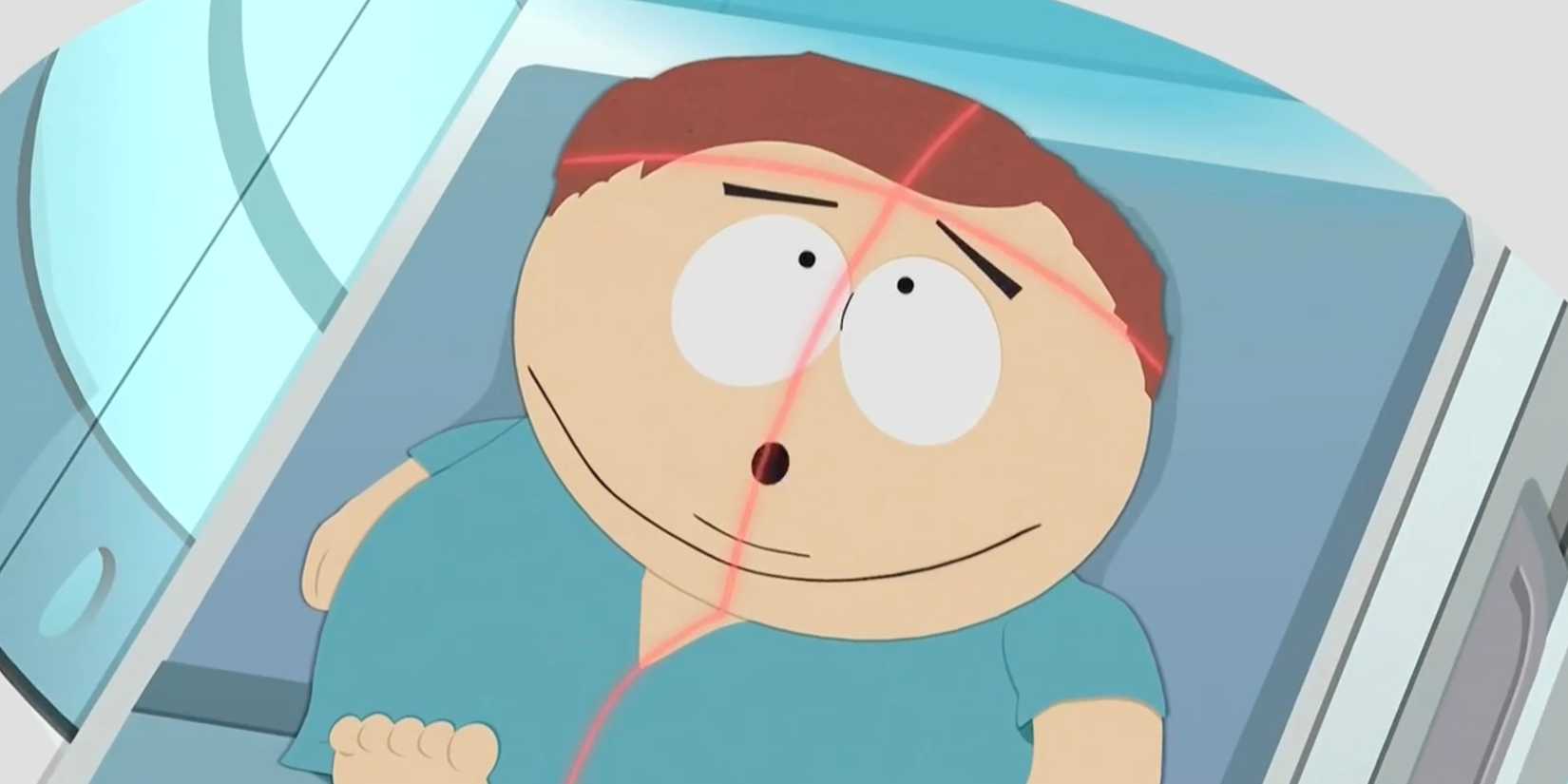
Image courtesy of Paramount
Although South Park season 27 ended abruptly and the second half of season 27 was revealed to now be a shorter, five-episode season 28, this plot line still proved that the show is returning to its familiar roots. As surprising as it may sound, South Park season 28’s reliance on parodying horror movies and satirizing religion harkens back to its beginning.
So far, the first two episodes of season 28 have focused on Satan and Donald Trump’s relationship, Cartman and Peter Thiel trying to stop the Antichrist, and Trump’s haunting in the White House. As this list implies, South Park’s recent outings have chaotically bounced between serialized storytelling and standalone plots.
For some years, from season 14 to season 20, South Park focused entirely on serialized, season-long narrative arcs. Abandoning the chaotic, scattershot approach of seasons 4 to 14, which parodied current events as they unfolded, seasons 14 to 20 attempted to offer a more cohesive view on cultural, social, and political stories.
South Park season 20’s overarching story was disastrously derailed when the show’s creators admitted that they expected a Clinton victory in the 2016 election. Donald Trump’s surprise victory led to a last-second rewrite of season 20’s ending, and season 21 saw the show return to a less serialized style as a result.
In a daring departure, season 28 has blended both approaches. Episode 1, “Twisted Christian,” introduced the show’s version of Peter Thiel and established a bizarre plot involving the Antichrist, but episode 2, “The Woman in the Hat,” shelved some elements of this plot while keeping others alive for the sake of continuity.
South Park’s Religion and Horror Parodies Were Its First Major Controversies
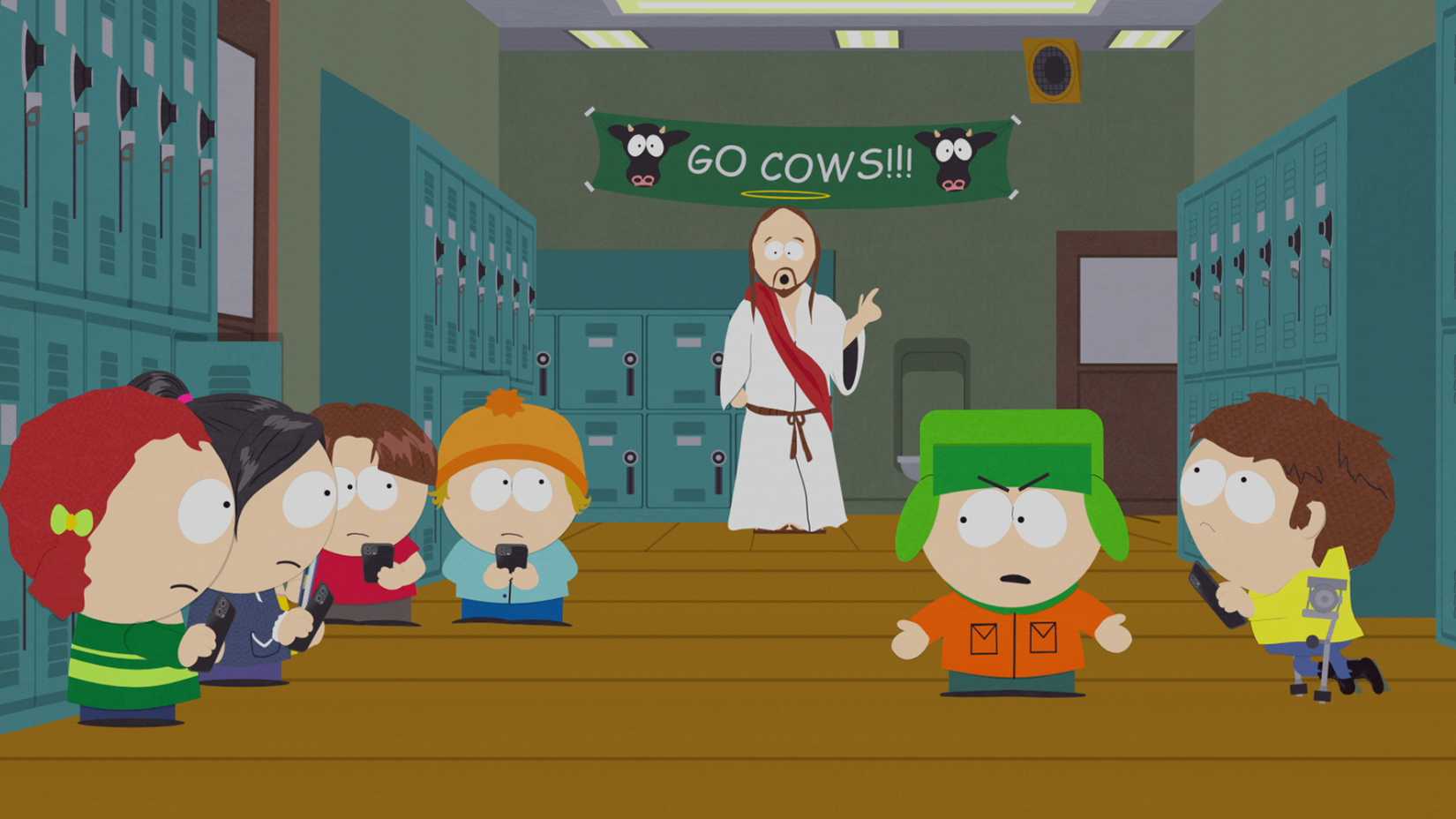
Kyle arguing with other students while Jesus stands in the background in South Park season 27 episode 5
This storyline’s focus on horror tropes and parodies of religion will sound familiar to longtime fans of South Park, since both were among the show’s first focal points of controversy. Way back in 1997’s season 1, “Pinkeye” turned the town of South Park into grotesque zombies, and “Damien” featured a boxing match between Jesus and Satan arranged by his son.
Like South Park season 27’s episodes, these storylines seemed tailor-made to upset conservative cultural commentators. Their glib view of religion, including a parodic depiction of Jesus, was blended with gory, gross-out comedy horror to create a scatological, wilfuly offensive comedy series that was as gruesome as it was shocking.
South Park originally used horror tropes and parodies of religion to shock and offend as broad an audience as possible while still mocking the political establishment. It’s fair to say that, after the 9-year Tegridy Farms plot came to an end early in South Park season 27, the show’s creators finally returned to this original focus.
This couldn’t come at a better time for the show, which had been suffering something of an identity crisis in the last few years. On the one hand, some of South Park’s recent standalone specials have earned the series critical acclaim thanks to their precision-focused satire. In particular, May 2024’s The End of Obesity was a clever, inventive special.
South Park Season 28’s Religious Horror Story Returns To Its Roots
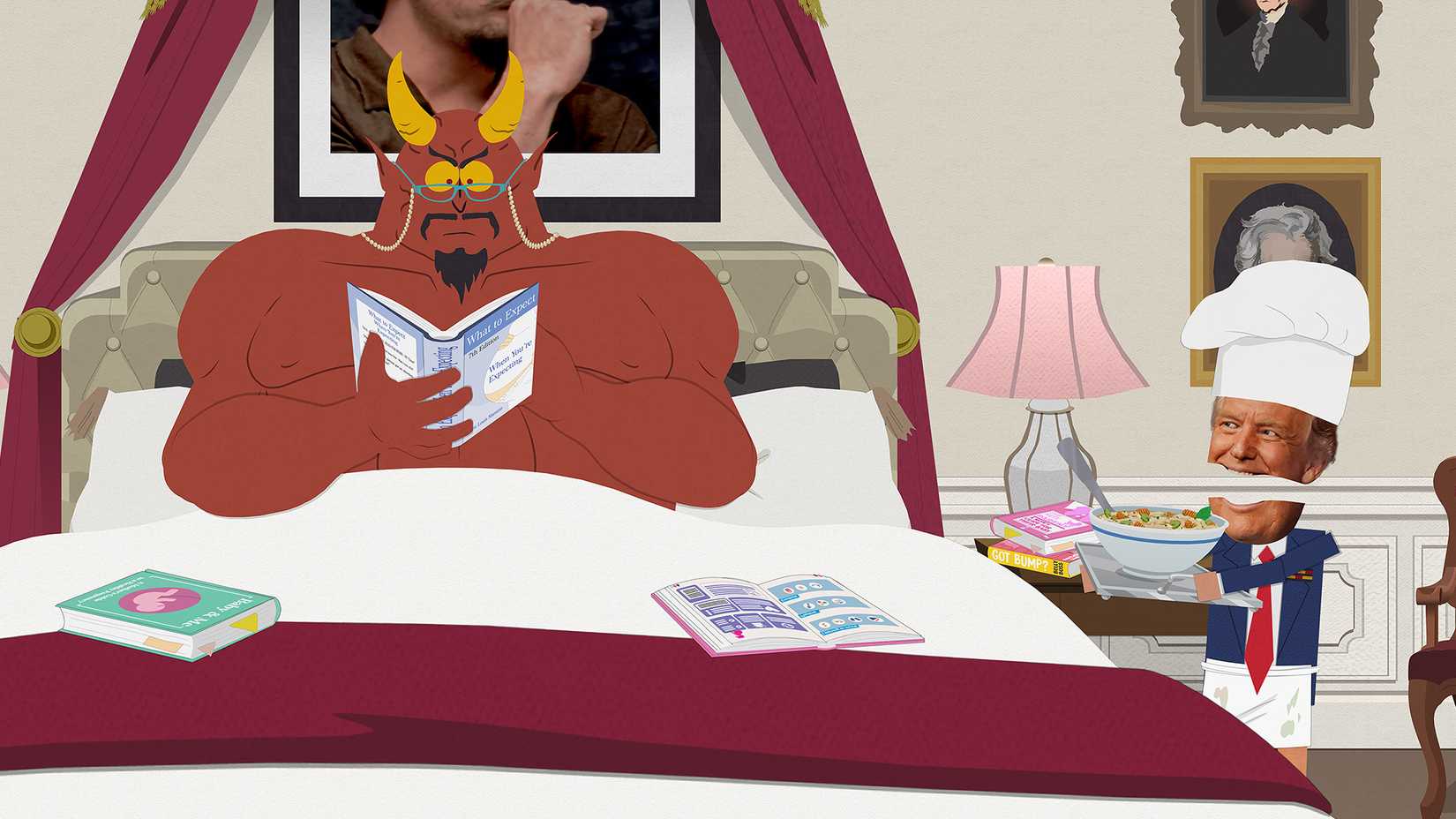
Satan reading in bed while Trump brings him food in South Park season 27 episode 5
That outing took on the American healthcare system, the Ozempic craze, body positivity, and ultra-processed food and managed to find a fresh, funny approach to each of these potentially tired subjects. That said, South Park’s Not Suitable for Children was a thrown-together flop that never convincingly married its OnlyFans spoof with its parody of the Prime energy drink craze.
Meanwhile, the series took two years to acknowledge the genocide in Gaza, but season 27, episode 5, “Conflict of Interest,” saw South Park effectively skewer Israel’s mass killing of Palestinians. Clearly, the show’s creators are interested in regaining the satirical strength of their early years, but this means bringing back the old style of the series in the process.
As such, perhaps it should come as no surprise that South Park season 28 is so focused on parodying horror movies and mocking religious figures. After all, it was these same recurring obsessions that made South Park iconic in the first place almost 30 years ago, and hammering on these satirical buttons still seems to get viewers as riled up as ever.
- Release Date
-
August 13, 1997
- Showrunner
-
Trey Parker
-

Trey Parker
Eric Cartman / Stan Marsh (voice)
-

Matt Stone
Kyle Broflovski / Kenny McCormick (voice)