Active shooter training typically happens face-to-face. Dispatchers working with officers, working with medics, all racing against the clock.
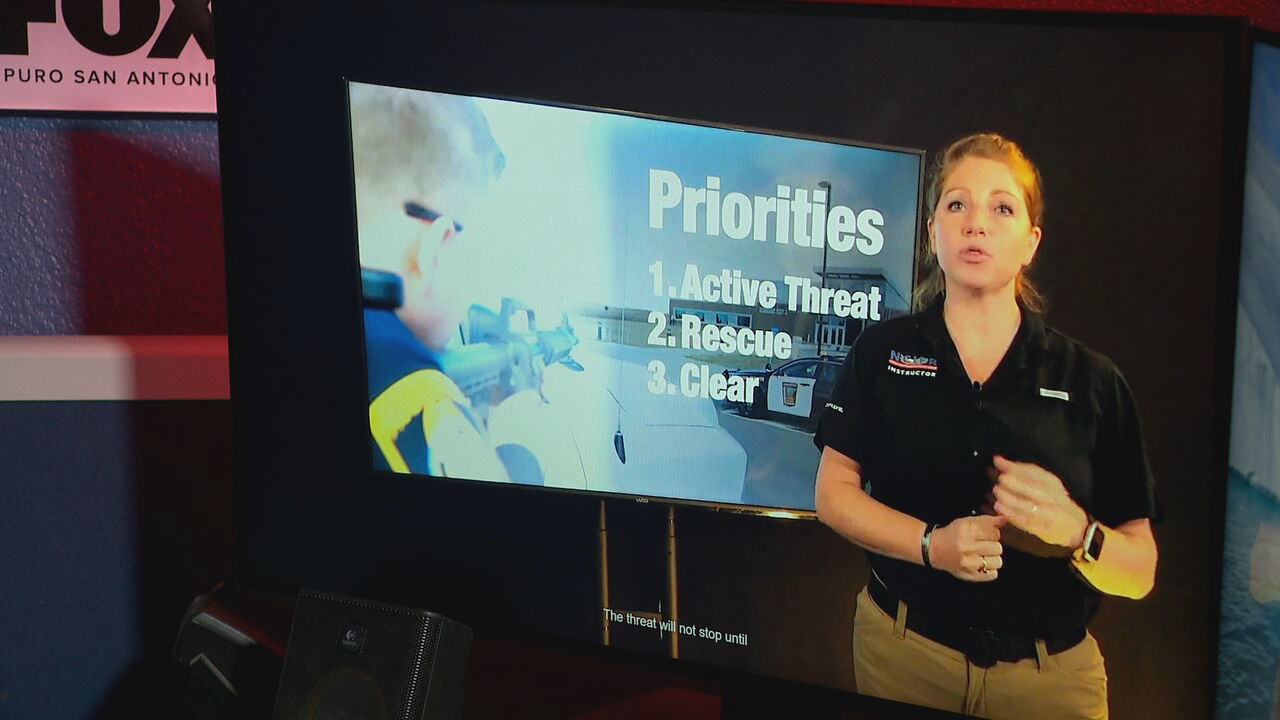
That coordinated chaos is what C3 Pathways has been teaching departments across the country for years. Now, some of that curriculum is moving online.
“We have over 200 jurisdictions asking for the advanced Active Shooting Incident Management class,” said Ari Jimenez, an instructor with C3 Pathways.
In-person training often has spatial limitations for attendees, and funding the training can create barriers for departments.
That high demand is why they wanted to make these lessons digital.
Jimenez said the new online version gives agencies more flexibility to learn the basics before participating in full-scale, in-person drills or to refresh their knowledge after the training ends.
“It’s free,” he added. “We allow all the jurisdictions, at a self pace, to have the basic understanding of what to do once they arrive at an active shooter event.”
New online shooter training aims to reach more first responders
Beyond the basics, Jimenez said the training reinforces the importance of how they make decisions under stress.
“It teaches first responders not only to make the right decisions, but to make the right decisions in the right sequence,” he said.
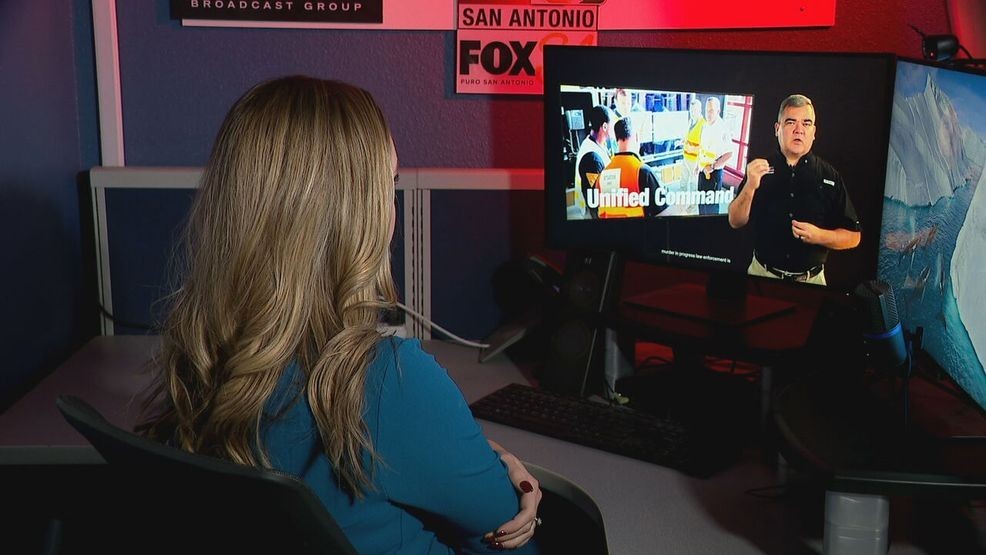
News 4 got an inside look at the online modules after attending the in-person course last year. First responders take a pre-test and then watch a series of modules explaining different aspects of an active shooter response. Then, they complete short quizzes.
Smaller departments see major benefits
For small agencies without dedicated training units, the online option fills a critical gap between in-person refreshers.
“We have 12 officers, counting me,” said Lytle Police Chief Richard Priest. His department, southwest of San Antonio, often struggles to schedule multi-day, hands-on training.
“In-person training is crucial,” Priest said. “But the online training, no matter even if it’s kind of pricey, it still saves a lot of money in travel time and gas, and meal allowances.”
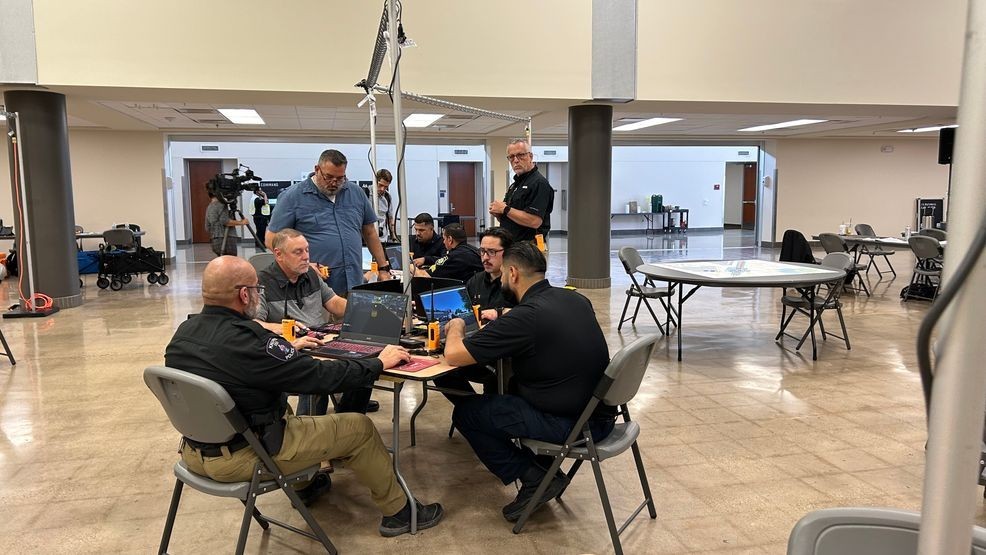
After the tragedy in Uvalde, the state required every peace officer to complete 16 hours of active shooter training through the Advanced Law Enforcement Rapid Response Training Center.
Priest’s officers are complying with that, even if it means logistical challenges. He says Lytle is lucky to be on the outskirts of San Antonio, which hosts several of these trainings for surrounding cities.
Uvalde first responders unite for unique emergency training, aim to set standards
He says online options could allow his officers to refresh their knowledge without moving schedules around.
Jimenez said that combination — online learning paired with live practice — is exactly the goal.
“We envision that we allow this free training to be the building block for continuing education,” he said. “We cannot control the chaos, but we can control the response.”
He added that too many communities are unprepared for a coordinated police-fire-EMS response.
“We’ve seen many places, schools, and jurisdictions… they have great programs on paper, but they have never practiced fire, EMS, and law enforcement together,” Jimenez said.
The message he repeats in every class: it’s not hypothetical.
“It’s not a matter of if there’s going to be an active shooter event in your jurisdiction. It’s a matter of when, and we want to be prepared for that moment,” Jimenez said.