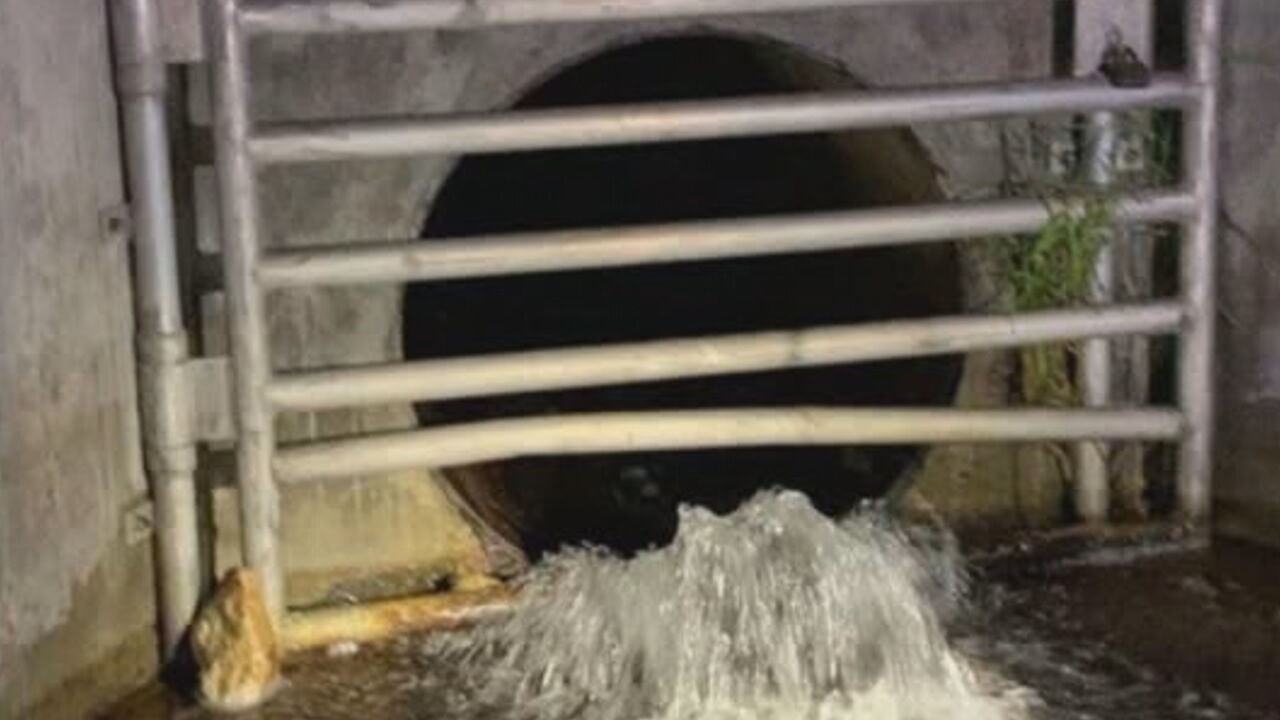
Beneath the U.S.–Mexico border, a hidden battle is taking shape. Smugglers are now moving underground, using tunnels, sewer lines, and drainage systems to move migrants and contraband into the United States. Authorities in Laredo warn that smugglers are now turning city infrastructure into a secret gateway, evading the surge of border enforcement above ground.
From California, to Arizona, to El Paso, officials have discovered these tunnels.
In one of Laredo’s oldest neighborhoods, residents were shocked when migrants started popping up out of a manhole earlier this year.
We toured the area with Investigator Joe Baeza with the Laredo Police Department.
“Here is where we actually intercepted 11 immigrants who were trying to enter the U.S. using the actual sewer line that feeds off the river banks,” Baeza said.
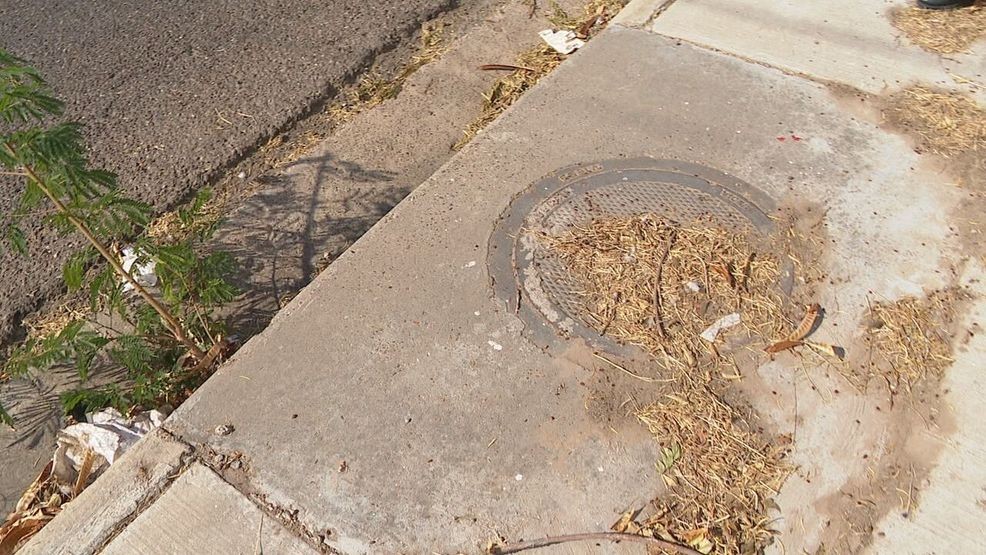
Smugglers burrow under the border: Laredo combating sewer tunnel crossings
The migrants were entering down by the river, directly underneath U.S. forces that have surged to the border in recent months.
“We have stationed Border Patrol agents that were right up on the banks,” Baeza said.
Baeza says this is a new strategy for the area. One migrant even got stuck in a drainage tunnel and had to be rescued.
“They’ve had to put a system of grates and secured and fortified entry points for those systems,” Baeza said.
“Has the city seen success since those have been installed?” asked reporter Jordan Elder.
“So far so good,” Baeza replied.
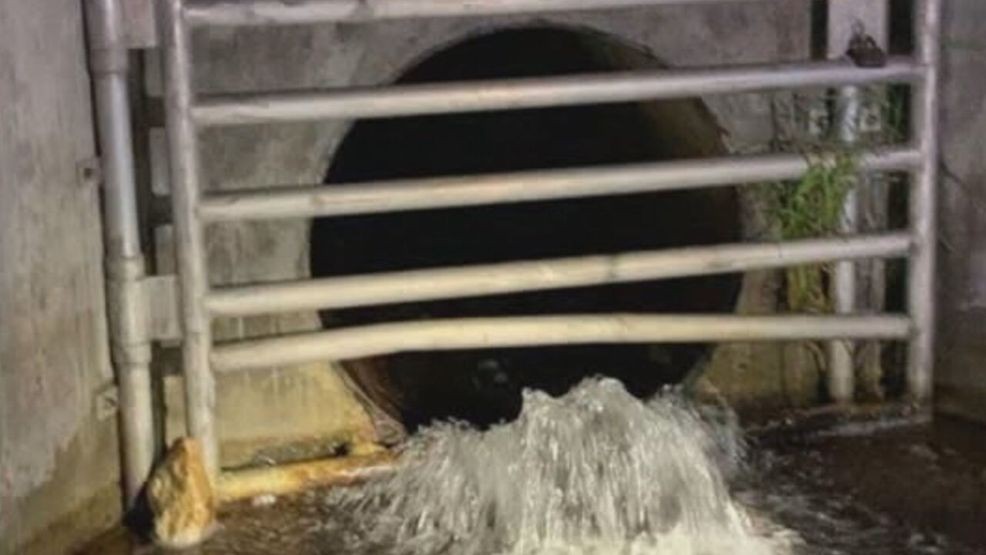
Smugglers burrow under the border: Laredo combating sewer tunnel crossings (City of Laredo)
Border expert Victor Manjarrez warns that these tactics are becoming more common compared to digging tunnels from scratch.
He served as the Chief Patrol Agent in El Paso Sector and spent more than 20 years with Border Patrol.
“The exploitation of our city infrastructure, I do believe that’s happening probably daily in major cities,” Manjarrez said. “If you see the numbers drop and you see enforcement increase above ground, it isn’t because the human smuggling organizations have stopped, or narcotics smugglers, they just saw a different alternative to bring to illicit cargo.”
He also points to decades of underground smuggling:
“Since about 1990 and 1991, we’re talking close to 300 tunnels have been discovered,” he added.
Laredo’s recent challenges reflect a broader pattern along the U.S.–Mexico border.
In Otay Mesa, California, U.S. Border Patrol discovered a tunnel over 2,900 feet long, with ventilation, lighting, electrical wiring, and a rail system for moving contraband.
In San Luis, Arizona, an incomplete tunnel measured roughly 1,300 feet long, equipped with ventilation, water, electricity, and a rail track, described by authorities as “the most sophisticated tunnel in U.S. history.”
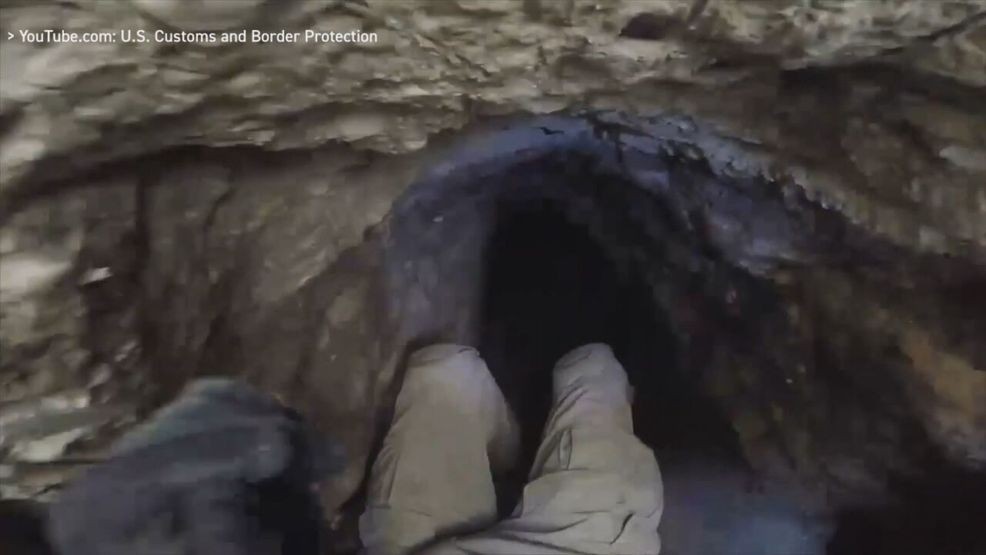
Smugglers burrow under the border (CBP)
“Law enforcement technology is always at a disadvantage… they’re always trying to catch up with a criminal element that seems to have a greater research and development budget,” Manjarrez says.
After these underground crossings, Laredo authorities strengthened defenses:
Steel grates were installed in key drainage systems.
Entry points are being reinforced and monitored more closely.
But officials are already on the lookout for what the next strategy will be.
“You build the reinforced grate and they’ll come up with a better idea to try and break through it,” Baeza said.

Smugglers burrow under the border: Laredo combating sewer tunnel crossings
The Department of Homeland Security is planning a $100 million expansion of tunnel-detection technology, aiming to have systems funded and operational by the end of 2026.
The State of Texas is also making new efforts to find tunnels.
Texas Land Commissioner Dawn Buckingham says her agency is stepping up efforts to identify and eliminate tunnels on state-owned land.
“Already, we do aerial and on-foot surveillance of our properties. We’re going to step that up. We’re going to engage with some new technologies,” Buckingham said.
Baeza says his agency always welcomes help from the state and federal government when it comes to issues like this because smugglers always manage to adapt.