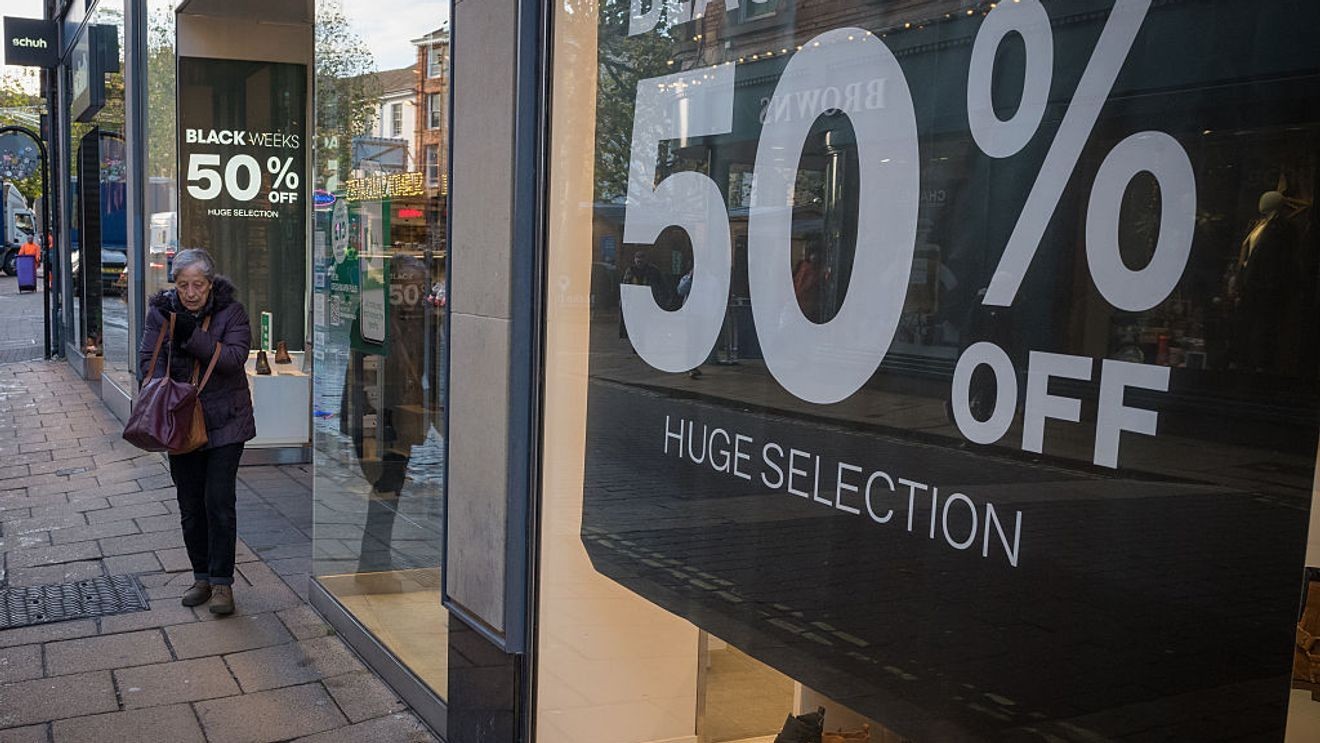
A Brief History of Black Friday
Black Friday, now known as the unofficial start of the holiday shopping season, has roots that stretch back more than half a century. The term originated in the 1960s in Philadelphia, when police officers began using “Black Friday” to describe the heavy traffic and chaos caused by suburban shoppers flooding the city the day after Thanksgiving ahead of the Army–Navy football game. Retailers initially opposed the phrase due to its negative connotation.
Over time, the meaning shifted. By the 1980s, retailers began rebranding Black Friday as the day stores finally turned a profit for the year—moving from being “in the red” to “in the black.” The positive spin caught on, and retailers leaned into the shopping frenzy by offering doorbuster deals and limited-time discounts to attract customers.
The rise of big-box stores in the 1990s and 2000s helped cement Black Friday as a major retail event. Crowds lined up at dawn—sometimes overnight—for deep discounts. In recent years, traditional in-person sales have evolved with online deals, often starting earlier in the week, leading to the broader concept of “Cyber Week.”
Today, Black Friday is one of the busiest shopping days in the United States, symbolizing both the kickoff to holiday spending and the evolution of American retail culture.