The first time I held my original birth certificate, I was in my 50s. I’d spent a lifetime knowing that I was adopted. I was loved, supported and grateful for my family, but still missing the first page of my own story. That small piece of paper held answers that had always been out of reach: my birth time, my birth mother’s name and many other small details that finally connected me to the beginning of my life.
For decades, adoptees such as me in Illinois were denied access to that most basic document. We could vote, buy a house or raise children of our own, but not see our own birth certificates. For years, the state sealed those records, citing outdated privacy laws that had long since outlived their purpose. That injustice became my mission.
When I first introduced legislation to allow adult adoptees to access their original birth certificates, I knew it would not be easy. The bill took 14 years to pass: 14 years of hearings, negotiations and emotional testimony from adoptees, birth parents and adoptive families alike. Some feared the unknown; others worried about privacy or the reopening of painful memories. But I believed then, as I do now, that knowing where you come from is a fundamental human right.
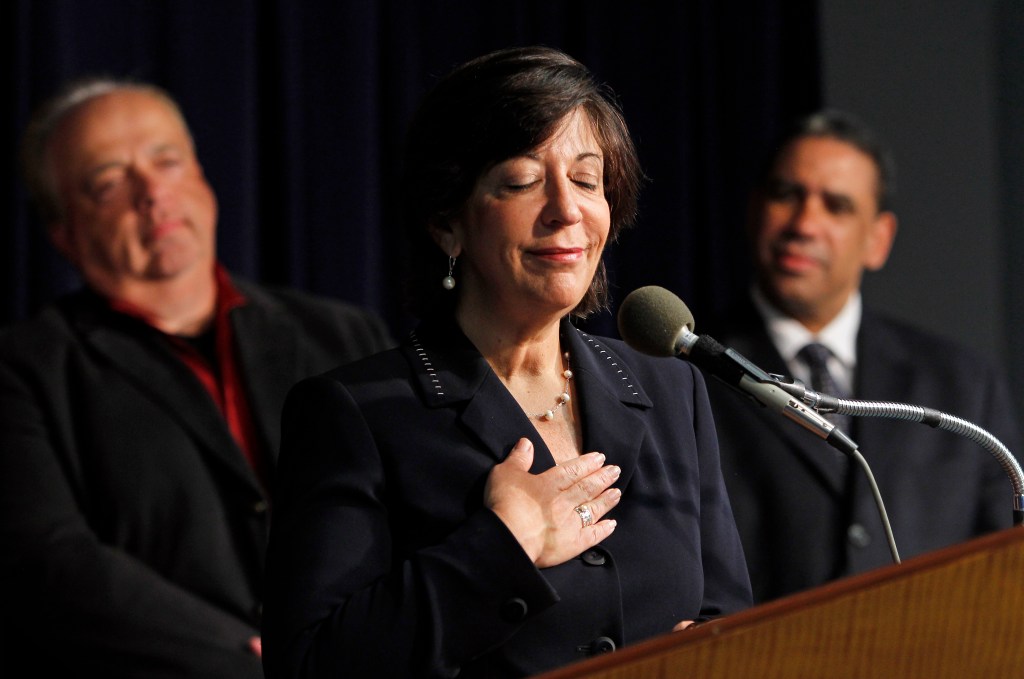
The bill was signed in May 2010. For the first time, adult adoptees in Illinois could open the door to their origins. That moment has become a personal and political milestone, not only in my career but also in the lives of thousands of Illinoisans who can now hold their own stories in their hands.
I still remember the day the first adoptees walked into the Illinois Department of Public Health and applied for their original birth certificates. Some cried. Others stood silent, taking in the weight of the moment. Many reached out to me afterward to say that, for the first time, they felt whole. One woman learned she had three siblings she never knew existed and had been living less than 10 miles from them their entire lives. Another woman finally understood her family’s medical history. Every story reminded me why the work was worth it.
It’s easy to see laws as words on paper, but for adoptees, this one was life-changing. It restored something that had been taken away for generations: the right to know ourselves.
When people ask me what I’m proudest of during my time in public service, I don’t hesitate. This is it. It’s my most meaningful legacy. Not because it was the most politically advantageous or newsworthy, but because it required patience, coalition-building, vulnerability and persistence when the easy thing would have been to give up.
That’s how real change happens. It happens through lived experience, through genuinely listening to people’s fears and hopes, through finding common ground where none seemed possible. It happens through a willingness to stay at the table for years until you get it right.
Since that day, Illinois has become a national model for adoptee rights. I recently sponsored legislation to help adoptees whose adoption agencies have closed or merged, ensuring they can still access their records through state archives. These are the unglamorous, technical fixes that make a real difference, and they only come when legislators understand both the issue and the people behind it.
As I approach another election, I carry these lessons with me. Experience matters. Relationships matter. The ability to build coalitions and bring people together matters. That’s what gets things done in Springfield. And that’s what has always driven my work.
This November, as we celebrate National Adoption Awareness Month, I want to honor the entire adoption community. From the adoptees who fought for recognition, to the birth parents who made profound sacrifices and the adoptive families who opened their hearts and homes. Adoption is about love, but it is also about truth. Every person deserves to know their story.
Fifteen years ago, Illinois took a stand for that simple idea. Today, thousands of adoptees have access to the records that define the beginning of their lives. But there are still people searching for answers. And as long as that’s true, my work continues.
For me, this has never been just a legislative victory. It’s a deeply personal one. It’s about identity, healing and the power of persistence.
Fourteen years. One law. And a lifetime of knowing who you are.
State Sen. Sara Feigenholtz, D-Chicago, represents the 6th District.
Submit a letter, of no more than 400 words, to the editor here or email letters@chicagotribune.com.