Recent governments have too often rewarded friends for past loyalty with plum jobs or picked candidates to promote political priorities, a long-awaited review into political appointments has found.
These government appointments have all too often “looked like forms of patronage and nepotism that should have no place in the modern Australian society”, the scathing report said, warning that the current system had eroded trust with the public.
The review by Lynelle Briggs — dubbed an investigation into “jobs for mates” — was tasked with probing government appointments to public boards after Labor’s 2022 election win, with the report due to be released in late 2023.
But until its belated release on Tuesday, Labor said the report remained under cabinet consideration, despite fervent calls from the Coalition and the crossbench for it to be made public.
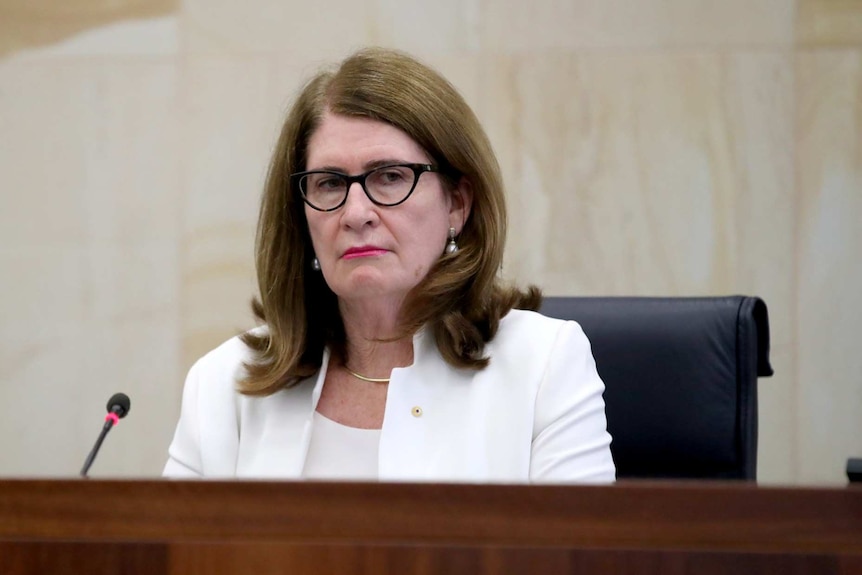
Lynelle Briggs was tasked with probing government appointments to public boards.
(AAP: Kelly Barnes)
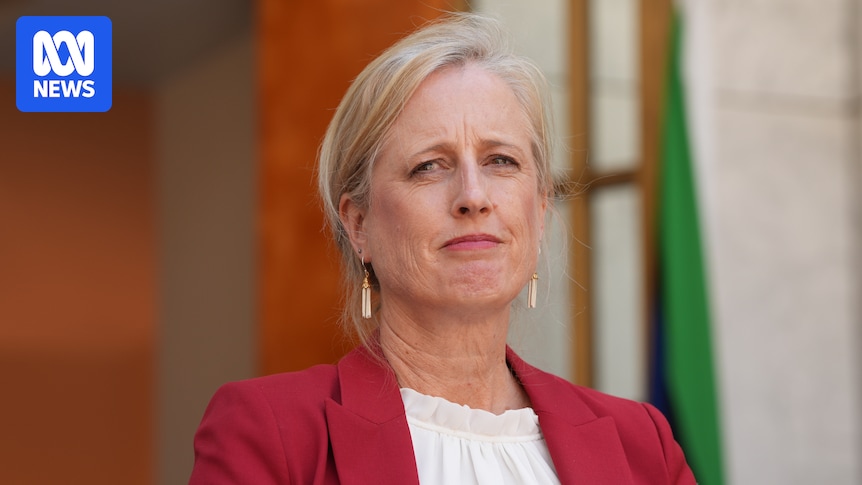
Public Service Minister Katy Gallagher on Tuesday defended the delay as she unveiled an overhaul of the appointments framework, which included a list of strengthened principles focused on merit and diversity.
“We took the time to get this right,” she said.
“We want to make the best appointments in the national interest with an emphasis on merit, diversity, accountability and this new framework delivers this.”
System has let down the public, review found
Ms Briggs, a former public service commissioner, found the current arrangements were not fit for purpose and “do not always provide the best person for the job”.
“They have let down the Australian people, undermined the integrity and effectiveness of the public sector and exposed ministers to unnecessary risk,” the report reads.
The current system also did not, she wrote, provide ministers with the support they needed to find the best candidates for the job and make appointments.
While Ms Briggs noted that the vast majority of ministerial board positions were not political in nature, in some portfolios as many as half of the appointments in recent years had been made directly by ministers without a formal process.
“This level of direct appointments is without parallel in other similar Westminster countries and has brought about a climate where Australians now think that all appointments are political appointments,” the report reads.
Ms Briggs said government board positions were rarely advertised, which meant the pool of candidates was “limited and not diverse”.
“The appointments system is characterised as delivering jobs for the boys, is not regarded publicly as fair, and is not fair,” the report reads.
One “particularly egregious matter”, according to Ms Briggs, was the practice of political staffers, former politicians, supporters and friends being appointed to government positions in the lead-up to elections “with seemingly little regard for the consequences”.
“Such bequests in the dying days of a government are shameless; are widely frowned upon by the public; and bring governments into disrepute,” the report reads.
Report includes recommendations
Ms Briggs made a number of recommendations, including that board appointments should be for a standard term of four years and statutory office holders for five years unless otherwise outlined in legislation.
Additionally, no person should serve on more than two paid government boards at any one time, the report recommends, unless the prime minister signs off on it on the basis they are “specialist or significant and eminently talented”.
It also found politicians and staffers should not be appointed to boards within six months of leaving government positions or 18 months if they were in ministerial jobs.
Albanese government’s lack of transparency under scrutiny
It also recommended that no ministerial board appointments should be made in the six months before the last possible election date and that the Australian Public Service Commission should also take responsibility for supporting appointment processes, in conjunction with the ministers.
The changes should be legislated, Ms Briggs said.
Instead, the government announced a new list of principles to inform decision-making, including that ministers remain responsible for “and should be transparent about” appointments within their portfolios, appointments should always be made on the “basis of merit” and in the “interests of good government” and public positions should “reflect the breadth of the Australian community”.
The new framework will come into effect from February 2 next year and will apply to all appointments to federal government positions.
“Australians expect the highest standards of integrity and transparency in public sector appointments,” Senator Gallagher said.
“This framework is about making sure appointments are made on merit, with transparency and accountability at every step.”