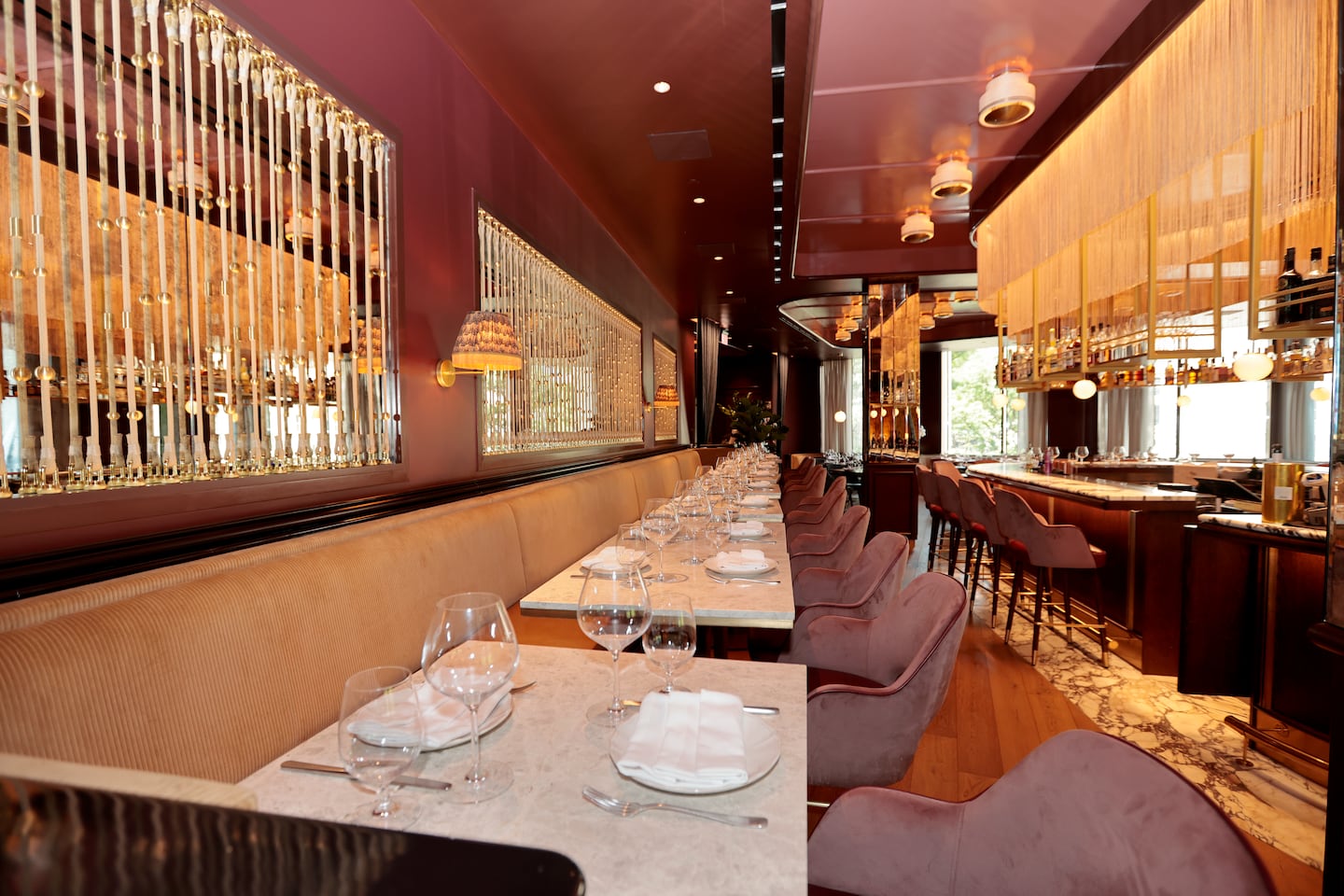
“It feels like we’re being taken advantage of,” said Herman, who helped open the restaurant last year and continues to work there as a server.
Leadership at La Padrona noted that the company first received the lawsuit on Monday and is currently reviewing the details. They emphasized that the team remains committed to its staff and to fostering a fair, professional workplace.
The plaintiffs raised two concerns. They argue that the restaurant has a tier of staff called bussers whose job is to polish silverware and glassware. Because these employees work in the back of the house and don’t interact with guests, they claim they should not be eligible to receive tips from the pooled funds servers, bartenders, and other guest-facing employees earn at the end of the night.
According to Herman and MacKinnon, the average table at the restaurant pays around $150 per person, and the restaurant serves between 400 and 500 customers on a busy weekend night.
At that high-volume, high-ticket rate, tips can be significant. But the tip pool at La Padrona is calculated based on the number of support staff working each night. When more support staff are working, a higher rate of tips is allocated into the pool, leaving them with less take-home pay. They claim eligible servers have been shorted at least $51,000 since the restaurant opened last year.
“Everyone deserves a living wage, but I shouldn’t have to be the one procuring that wage for those polishers,” said MacKinnon, who currently works as a bartender at the restaurant. “We want what we worked for, and we want it to be fair.”
The lawsuit raises some of the same concerns that emerged over a controversial ballot measure last year that sought to restructure how restaurant workers are paid in Massachusetts.
Backed by labor-activist group One Fair Wage, the initiative would have required tipped workers to be paid the state’s hourly minimum wage of $15, before gratuities, instead of the $6.75 that has long been allowed as a floor. The measure also would have allowed employers to pool tips and divide them among servers and other non-tipped workers, like servers and cooks, who often earn higher hourly wages, but take home less money overall than their tipped colleagues.
While the proposal’s advocates celebrated the concept of greater equity, opponents — including many tipped workers at higher-end restaurants — pushed back, saying they would lose a significant portion of their pay.
Local lobbying groups, like the Mass Restaurant Association, also argued that the measure would be another burden for an industry already dealing with rising food costs and the longstanding economic impacts of the pandemic. Voters agreed, and the measure failed by a nearly two-to-one margin.
The other allegation concerns whether servers who were given the role of captains were violating wage laws. That role is often held by servers who also perform management-level tasks, such as comping menu items for guests, training staff, and inspecting servers’ uniforms.
The suit alleges that state wage laws also exclude people with such management-level duties from the tip pool, but that was not the case at La Padrona.
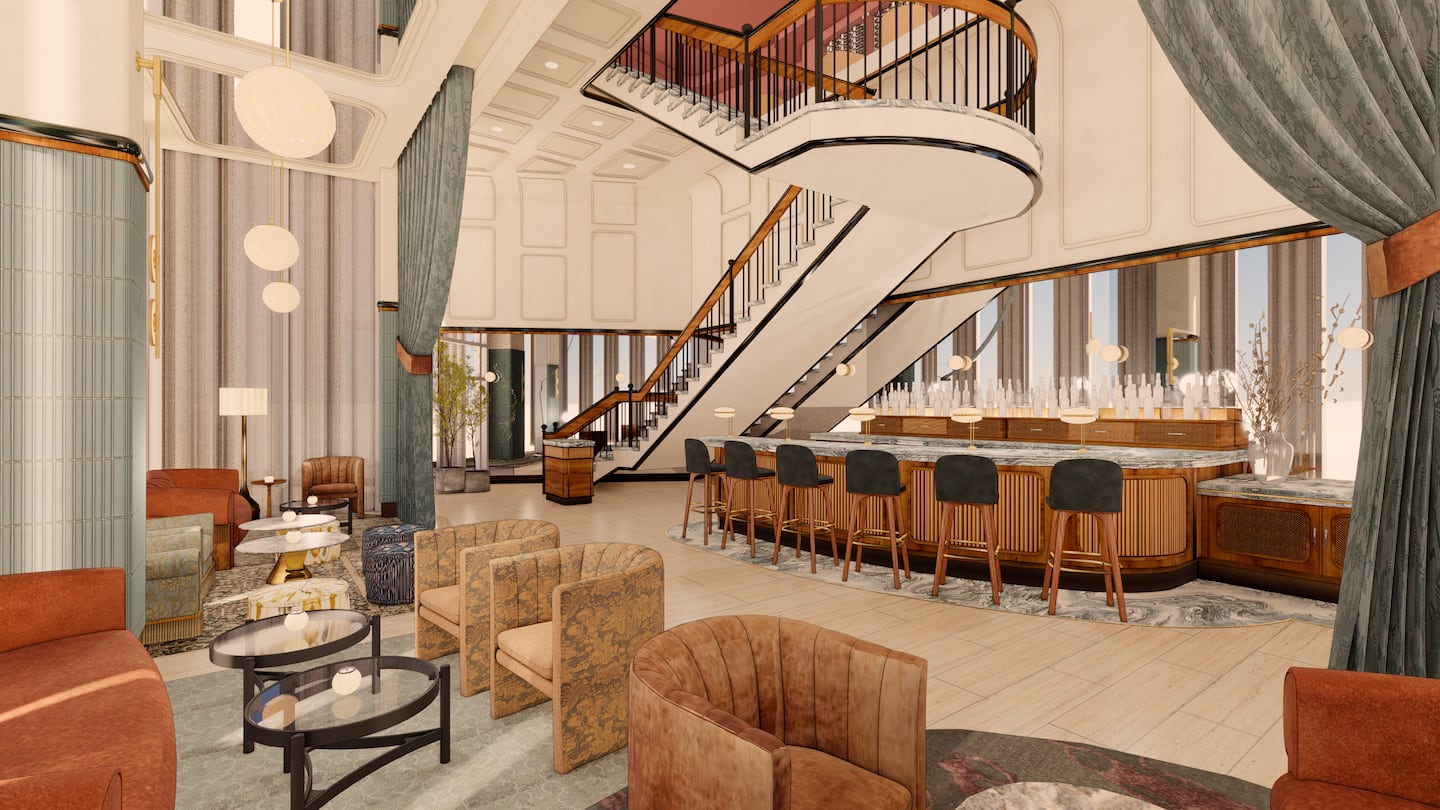 La Padrona, at Raffles Boston.AvroKO
Herman worked as a captain at the restaurant, and said she raised questions about whether she should be tipped while in the role, but “it kept getting brushed off,” she said.
The filing is the latest in a series of lawsuits alleging illegal tip pooling practices brought by attorney Lou Saban, who represents local restaurant workers. In June, the attorney general’s office fined Zuma, a sushi restaurant in the Four Seasons, $1.8 million in tip pool violations. Rooftop restaurant Contessa, which is housed in The Newbury Boston hotel, recently settled a lawsuit with 68 former and current employees over similar violations.
“We’re alleging that the tips are going to people with managerial responsibilities and to people who basically never leave the kitchen,” Saban said. Legally, he said, restaurants “can’t take the tip that was hard earned and use the tip to pay the wages” of the employees who don’t interact with guests.
Both Herman and MacKinnon say they’re proud to work at the restaurant, particularly since they were both there from the start and have now seen La Padrona get a coveted nod from Michelin, which put it on its list of recommended restaurants last month. But they note that Michelin ranks restaurants in part due to their exacting standards.
“To be Michelin-recognized, it takes people who have been doing this for a long time, people with attention to detail,” MacKinnon said.
And they argue this is a critical detail that should not be overlooked. Saban, who worked in the restaurant industry for two decades before starting his law practice, said that these lawsuits represent a paradigm shift in the industry. Back when he was behind the bar, any pay problems were typically written off.
“A million years ago, we used to say, ‘Hey, that’s the industry,’” he said. Now, more people are educating themselves and trying to ensure they’re being paid fairly.
Janelle Nanos can be reached at janelle.nanos@globe.com. Follow her @janellenanos.