Two more New York towns have taken action in the last month against sewage sludge as state legislation to put a moratorium in place failed to pass earlier this year.
The towns of Guilderland, in Albany County, and Goshen, in Orange County, both enacted local laws that ban the spreading of sewage sludge on farmland, joining other local municipalities and counties across the state.
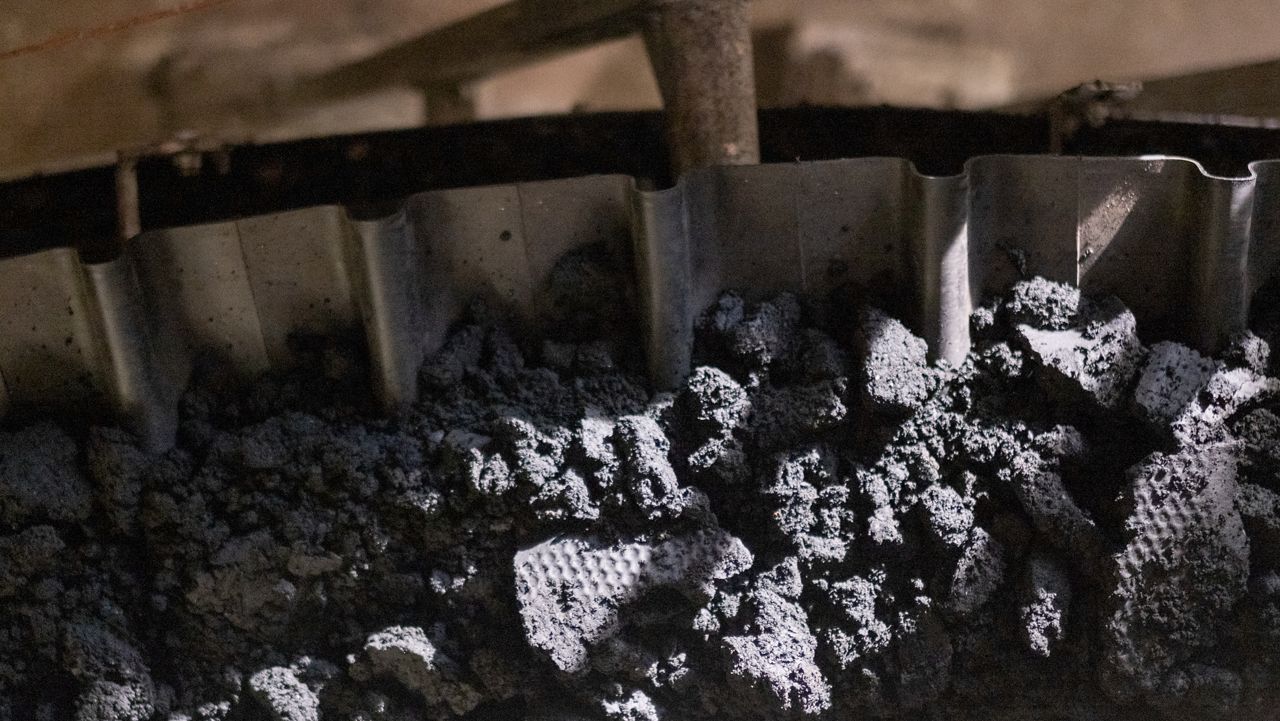
Sewage sludge is what’s left over in the wastewater treatment process and has been applied to farmland as a fertilizer for decades. However, there are now concerns about the contamination of soil and water with per- and polyfluoroalkyl substances (PFAS) that surround these spreading sites.
The Guilderland Town Board passed a six-month moratorium Tuesday night following a public hearing. Goshen’s local law, which was enacted on Nov. 13, is a ban on using biosolids and doesn’t have an expiration date in place.
Both of the local laws passed unanimously.
Ryan and Laura Dunham, whose well was contaminated with E. coli and coliform after a farmer across from their home spread sewage sludge, testified in Guilderland about their experience with biosolids.
“We are, unfortunately, what happens when the state doesn’t take action, and towns don’t see this issue the way you all appear to be looking at it,” Ryan Dunham said.
Dunham advocated for the state legislation to pass during the last session, which calls for a five-year moratorium on biosolids. The bill passed the Senate but not the Assembly. It is expected to be brought up for debate again in the upcoming session next year.
“Now is the time for the town of Guilderland to take action by passing a moratorium on spreading sewage sludge on its farm fields and by doing so, to let Albany know that the health and safety of its residents always come first above both politics and profits,” Dunham said.
Caitlin Ferrante, conservation and development program manager for the Sierra Club, testified at the public hearing in Guilderland. The Sierra Club is a non-profit that has been part of the lobbying efforts to pass the legislation against biosolids. Ferrante said the opposition to the bill centers on what to do with the waste, and would it cost municipalities more to discard the biosolids in another way.
“There have been some concerns about increases in terms of hauling it to landfills, so those increased costs to municipalities potentially,” she said.
But, Ferrante said, the municipalities should weigh the potential costs of cleanup if land is contaminated or if they need to better treat the water supply.
“There are other costs associated with potentially doing nothing. We also don’t want to create superfund sites around the state of dirty water that no one wants and farmland that we can’t farm,” she said.