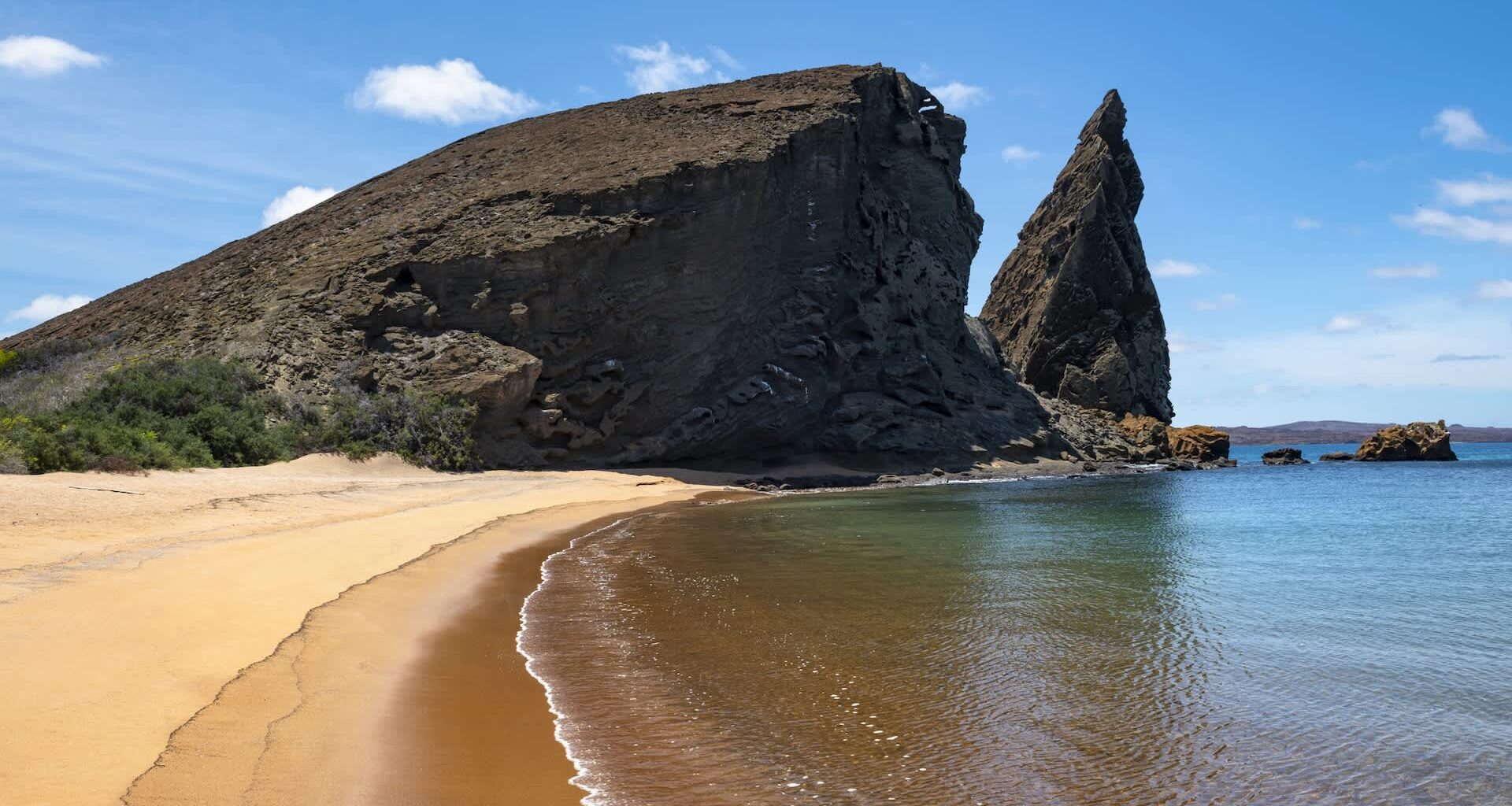
The Galápagos Islands are facing a fast-moving threat from an unexpected source: Fowler’s snouted treefrogs.
What’s happening?
According to The Guardian, the invasive amphibians have already multiplied so rapidly that residents can hear them from inside their homes, often making sleep more difficult because “they’re really loud,” as one coffee farmer from Santa Cruz shared with the publication.
The frogs arrived from mainland Ecuador in the late 1990s, likely hidden in cargo shipments. Genetic studies indicate several accidental introductions over the years, allowing the species to take hold on the islands of Santa Cruz and Isabela.
Today, researchers estimate populations in the hundreds of thousands. In one pond alone, scientists counted roughly 6,000 frogs, per The Guardian.
Before the 1990s, the Galápagos had no amphibians at all. Now, sound recorders left out overnight capture nonstop mating calls, with farmers sharing that the noise regularly keeps them awake during the wet season.
The frogs’ growing footprint stretches across farms, towns, and even the protected Galápagos National Park.

Unlock your next great adventure with a high-tech e-bike at an unbeatable price. Upway saves you up to 60% off retail prices from top-tier brands like Specialized, Aventon, Cannondale, and many more.
And this holiday season, you can get an extra $1,500 off your perfect ride, from electric city cruisers and cargo rigs to mountain bikes and road racers.
The frogs add to a growing list of pressures on the archipelago, which experts have warned is facing major ecological threats.
Why are these invasive frogs concerning?
Invasive species often disrupt local food webs by outcompeting native wildlife for food, water, and habitat — resources that are also tied to community health and food security.
Research suggests these frogs consume large amounts of insects, including species found only on the islands.
Their heavy appetite could reduce food available to native birds and interfere with pollination systems that support local agriculture.
This pattern isn’t unique to the Galápagos; invasive species worldwide outcompete native wildlife and strain local resources, which can decimate ecosystems.
The frogs also display unusual traits. They can tolerate brackish water, and their metamorphosis varies greatly, with some tadpoles transforming quickly and others staying in that stage for months.
That dense tadpole population may strain freshwater supplies, one of the region’s scarcest resources.
Although Galápagos diving beetles now feed on tadpoles, they haven’t slowed the frog population’s growth.
What’s being done about the invasive frogs?
Attempts to control the frogs — including hand-capturing and altering lagoon salinity — proved ineffective.
More aggressive ideas, such as coffee-based sprays or electrocution, risk harming native species. Researchers are now turning to environmental DNA monitoring and genetic analysis, tools that may help map the frogs’ spread and clarify their ecological impact.
Other regions facing similar threats have launched intensive interventions, such as an invasive rat eradication campaign in Alaska’s “Galápagos of the North,” demonstrating how high the stakes can become when invasive species go unchecked.
💰Get TCD’s free newsletters for easy tips to save more, waste less, and make smarter choices — and earn up to $5,000 toward clean upgrades in TCD’s exclusive Rewards Club.
