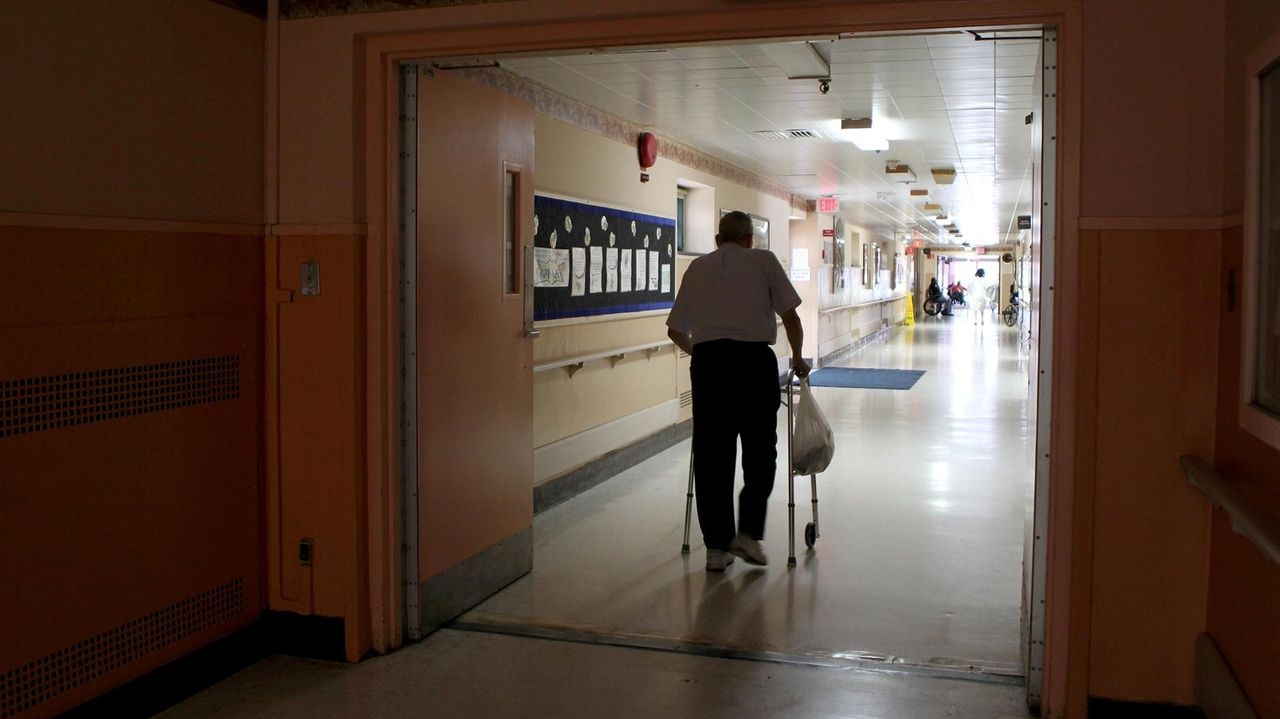
The Trump administration has repealed a Biden-era rule setting minimum staffing levels at nursing homes nationwide, even as shorthanded Long Island eldercare facilities are struggling to fill vacant nursing spots.
The Department of Health and Human Services Tuesday repealed requirements, set by the Centers for Medicare and Medicaid Services in 2024, requiring nursing homes to provide residents with a minimum of 3.48 hours of nursing care per day — including at least 2.45 hours from a nurses aide and 0.55 hours from a registered nurse.
The rule, which was not yet in place and was intended to be phased in next year, also mandated that nursing homes participating in Medicare and Medicaid have at least one registered nurse on-site 24 hours a day.
‘One-size-fits-all’ mandate
The staffing requirements were already on life support after a federal district court judge in April struck down the mandate while last summer’s One Big Beautiful Bill Act included a 10-year moratorium on the rule.
WHAT NEWSDAY FOUND
- The Trump administration has repealed a Biden-era rule setting minimum staffing levels at nursing homes nationwide, even as shorthanded Long Island eldercare facilities are struggling to fill vacant nursing spots.
-
Federal data shows only a fraction of Long Island nursing homes are meeting the proposed federal staffing levels, while watchdogs warn that repealing the rule will only exacerbate a workforce shortage at area eldercare facilities.
-
Only four Long Island nursing homes are meeting their individually-set expected staffing levels, a figure determined by their total number of residents and respective needs, according to an advocacy group.
“Safe, high-quality care is essential, but rigid, one-size-fits-all mandates fail patients,” said HHS Secretary Robert F. Kennedy Jr.
But Richard Mollot, executive director of the Manhattan-based Long Term Care Community Coalition, an advocacy group for eldercare residents, said the repeal “sends a clear message that the Trump administration prioritizes increasing industry profits over the basic safety and dignity of nursing home residents.”
Federal data shows only a fraction of Long Island nursing homes are meeting the proposed federal staffing levels, while watchdogs warn that repealing the rule will only exacerbate a workforce shortage at area eldercare facilities.
For example, in the first quarter of 2025, federal data, analyzed by the Mollot’s organization, showed that just 31% of Long Island nursing homes were providing 3.48 hours of daily nursing care.
And only four Long Island nursing homes — John T Mather in Port Jefferson, Northwell Health’s Orzac Center for Rehabilitation in Valley Stream, Jefferson’s Ferry in South Setauket and Northwell Health Stern Family Center for Rehabilitation in Manhasset — are meeting their individually set expected staffing levels, a figure determined by their total number of residents and respective needs, Mollot said.
The regulations set by the Biden administration were significantly lower than staffing levels that had long been eyed by long-term care advocates. A 2001 CMS-funded study recommended an average of 4.1 hours of nursing care per resident daily.
“But it at least set a floor that would have improved life for many,” Mollot said. “This is particularly true for residents in New York nursing homes, which persistently have some of the lowest staffing levels in the nation.”
While the federal mandate has been repealed, state regulations setting minimum staffing at nursing homes remain in place, said Health Department spokeswoman Marissa Crary.
Those rules, approved by the State Legislature in 2021, require nursing homes to devote at least 3.5 hours of medical care to residents daily, including a minimum of 1.1 hours from a licensed nurse and 2.2 hours from nurses’ aides.
While nursing homes that fail to meet state-dictated minimum staffing rules can face penalties, industry experts said facilities are rarely held accountable for meeting those thresholds.
Understaffed nursing homes
The lifting of the federal minimum staffing levels comes as nursing homes nationwide remain severely understaffed, particularly among registered nurses.
Industry officials contend state and federal reimbursement levels are too low to attract workers for those difficult jobs.
“Rescinding the federal staffing mandate once and for all is a victory for our nation’s seniors and their families,” said Clif Porter, president and chief executive of the American Health Care Association/National Center for Assisted Living, which challenged the mandate in court. “This unrealistic regulation threatened to close nursing homes and displace vulnerable residents.”
The trade group estimated the mandate would require the hiring of 102,000 nurses at a cost of $6.8 billion.
Michael Balboni, executive director of the Greater New York Health Care Facilities Association, which represents nursing homes statewide, encouraged state Health Department monitors to amend its staffing mandates to include positions such as physical, occupational, recreational, and respiratory therapists.
“I applaud the repeal of this unrealistic regulation which adopted a ‘one size fits all’ approach to staffing because the staff needed to fulfill the regulation is just not there,” said Balboni, a former Long Island state senator. “We support safe staffing and initiatives to encourage staff to work in long term care.”

Robert Brodsky is a breaking news reporter who has worked at Newsday since 2011. He is a Queens College and American University alum.