Cuts to Medicaid reimbursements for adult care homes must remain blocked for now, a judge ruled Thursday, in a blow to Gov. Josh Stein’s administration that could have broader implications in a political fight over Medicaid funding.
The cuts had already been temporarily blocked; Thursday’s decision extends that ruling until next week when a more permanent decision is expected on whether the state Department of Health and Human Services has the power to make the cuts at all. The administrative law judge hearing the case expressed skepticism of DHHS’ legal arguments during a court hearing earlier this week.
If a full ruling were to stand against DHHS, it would likely lead to similar legal challenges by other health care providers, seeking similar rulings as the adult care homes who sued in this case. Spokespeople for the department didn’t immediately respond to a request for comment Thursday.
Another similar lawsuit was filed this week by the North Carolina Medical Society, which represents doctors statewide, as well as a host of smaller trade groups representing others in the health care industry: Speech pathologists, addiction counselors, home health specialists and more.
The existing lawsuits, and the potential for more, raise questions about whether millions of North Carolinians will have health care after May — part of an ongoing political fight between the state’s Democratic governor and Republican-led General Assembly.
Medicaid is underfunded by millions of dollars because the state legislature has failed to pass a new budget. Lawmakers also haven’t passed a standalone Medicaid bill that would work in lieu of a comprehensive budget. Lacking a new budget, the program is operating at last year’s levels. But health care costs have shot up since then, leaving a looming shortfall of hundreds of millions of dollars.
Medicaid — which provides health care coverage for 3 million North Carolinians — could run out of money in a few months, state health officials say, unless the legislature acts before then.
Some in the health care industry have shrugged off the state’s financial warnings, putting faith in the legislature to eventually get around to funding the program. In the meantime, the state has been reducing reimbursements to health care providers to guard against the shortfall. The cuts range from 3% to 10% for providers, depending on the type of health care they practice.
In the meantime, they’re seeking court rulings like the one Thursday, which will stop their losses in the short term. One of the biggest winners in Thursday’s ruling in favor of the adult care homes is Hickory-based chain ALG Senior.
“The individuals who reside in our homes are more than residents, they are our family,” Bryan Starnes, the company’s chief financial officer, told WRAL in a statement. “They are seniors and adults with disabilities who rely on us for essential daily support, from a warm meal to a safe, dignified place to live. While these recent legal actions were not steps we wished to take, they are steps we must take to protect the well-being and stability of those in our care.”
Looming 2026 deadline
During a hearing this week, a lawyer for the North Carolina Department of Health and Human Services told the judge that Medicaid could run out of money by May if DHHS is forced to stop its strategy of reducing payments to providers like ALG Senior.
Running out of money for Medicaid could lead to the end of health care coverage for nearly one-third of the state’s entire population.
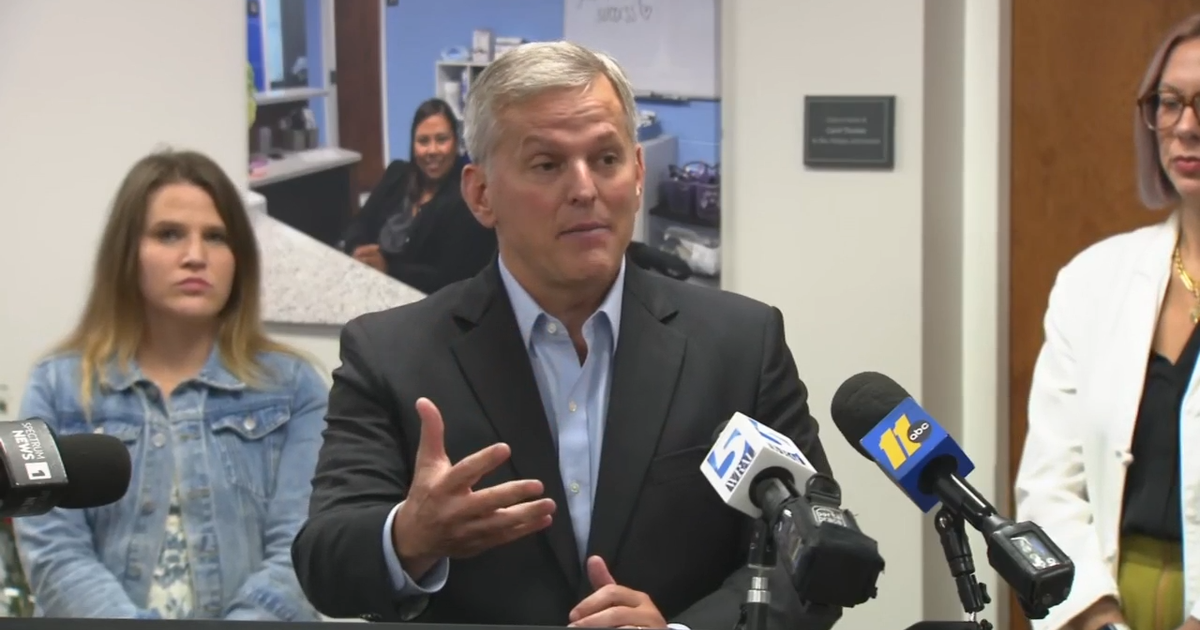
“I’m dismayed that the General Assembly refuses to do what they know they need to do,” Stein told WRAL on Wednesday. “They agree that Medicaid doesn’t have enough money. … They were here in session, and they failed to do what they knew they needed to do, which is to fund Medicaid.”
Stein said the situation could cause hospitals or doctors offices to shut down, leading to disastrous consequences for health outcomes and local economies — particularly in rural areas where higher percentages of residents are on Medicaid.
“If they’re not getting enough money to keep their doors open, and they have to shutter, all patients will suffer,” Stein said. “Not just Medicaid patients.”
Demi Dowdy, a spokesperson for House Speaker Destin Hall, accused Stein of pushing the Medicaid cuts for political reasons, not out of fiscal necessity. “Governor Stein’s politically motivated Medicaid cuts are not only unnecessary— they’re hurting North Carolinians in need of care,” she said.
Dowdy pointed to a pledge Hall signed to ensure Medicaid is fully funded by May, when it would otherwise run out of money. But Senate leader Phil Berger declined to sign that letter, WRAL previously reported.
A Berger spokesperson didn’t immediately respond to a request for comment Thursday.
‘An impossible choice’
Thursday’s ruling doesn’t stop all the Medicaid reimbursement cuts statewide. But it’s a major win for, specifically, the companies that take care of people they say are some of the most vulnerable people in the state: Thousands of low-income adults who need help with disabilities or other health care needs and, in many cases, don’t have family who can provide that assistance.
The cuts from Stein’s DHHS have reduced or erased their profit margins, industry groups for adult care homes have argued, causing many such homes to operate at a loss for the last two months.
ALG Senior, which operates 99 adult care homes statewide, furloughed 150 employees and has required many of its remaining employees to work double shifts.
“When the state cut Medicaid rates, it left us facing an impossible choice: either absorb the loss and risk closing our doors, or stand up and speak out on behalf of the people who can’t,” Starnes said. “We chose to stand up. Among the more than 1,500 Medicaid residents we care for, more than 600 are wards of the state — they have no family, no support system, nowhere to go.”
Some maintenance people have been cross-trained for health care work, the company’s attorney, Robb Leandro, said during this week’s hearing. They have learned to bathe patients or change their diapers, he said. And managers are now working overtime doubling as janitors, maintenance workers or in other roles, to replace furloughed staffers.
“Adult care home providers, their employees, and the residents they serve, are harmed by these cuts and will continue to be harmed by these cuts,” Leandro said.
‘A very slippery slope’
Although the ruling only applies to adult care homes, state officials believe it will set a precedent that will now lead to lawsuits by many other health care providers who treat patients on Medicaid, seeking to similarly halt their own cuts.
And that could move up the date at which Medicaid runs out of money, unless the state legislature acts to fully fund Medicaid — something legislative leaders have so far resisted Stein’s calls to do.
“Medicaid is looking at a shortfall that would make the program insolvent in spring of next year, which means none of the 3 million Medicaid beneficiaries will get service,” DHHS attorney Erin Hukka told the judge this week. “… It is a very slippery slope. And we have to ask ourselves: Who will be responsible for the abrupt end of Medicaid coverage come spring?”
Leandro argued that those concerns were overblown. Health care providers expect that the legislature won’t actually let Medicaid end. And Leandro said that — regardless of whether the legislature can get a budget passed in time — the state still has a reserve fund with hundreds of millions of dollars that could be used to keep Medicaid bills being paid.
“The General Assembly has created this reserve fund, a Medicaid contingency fund, which allows for the General Assembly to appropriate funds when there is a Medicaid shortfall,” he said. “And the General Assembly does that. There’s no indication the General Assembly would refuse to do that.”
Stein and DHHS, however, can’t touch that reserve fund without permission from the legislature. And the legislature has so far refused Stein’s requests to take money from the reserve fund, as its leaders continue going back and forth on whether they’ll be able to reach a deal to fund Medicaid the normal way, without touching those savings.