This is the latest instalment of The Inside Story, Wallpaper’s series spotlighting intriguing, innovative and industry-leading interior design.
One of the most captivating spaces we’ve featured for The Inside Story was the Madrid studio of designer Marta de la Rica. Naturally, expectations were high for her home – also in the Spanish capital – and we were not disappointed.
(Image credit: Antonio Rodriguez)
(Image credit: Antonio Rodriguez)
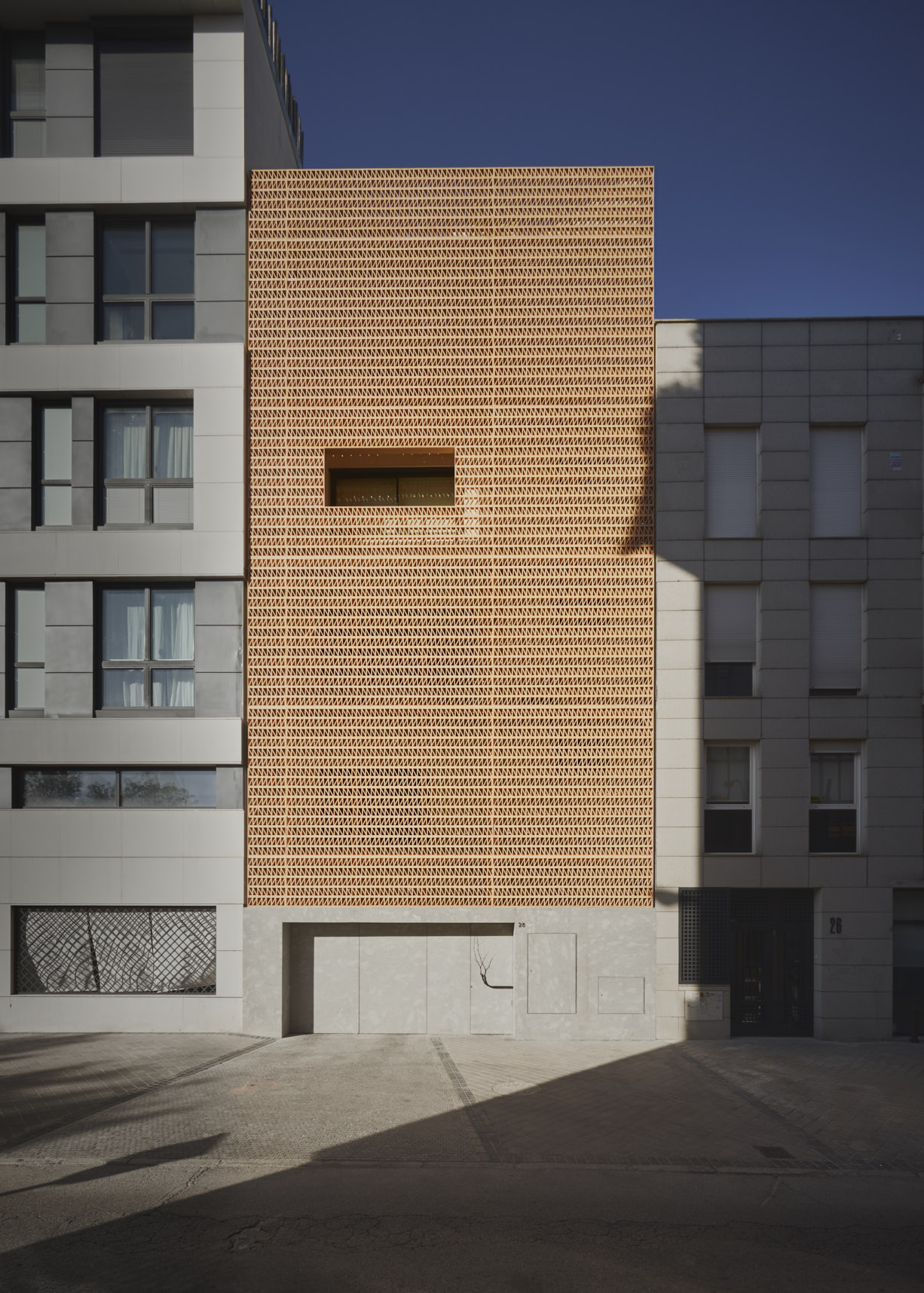
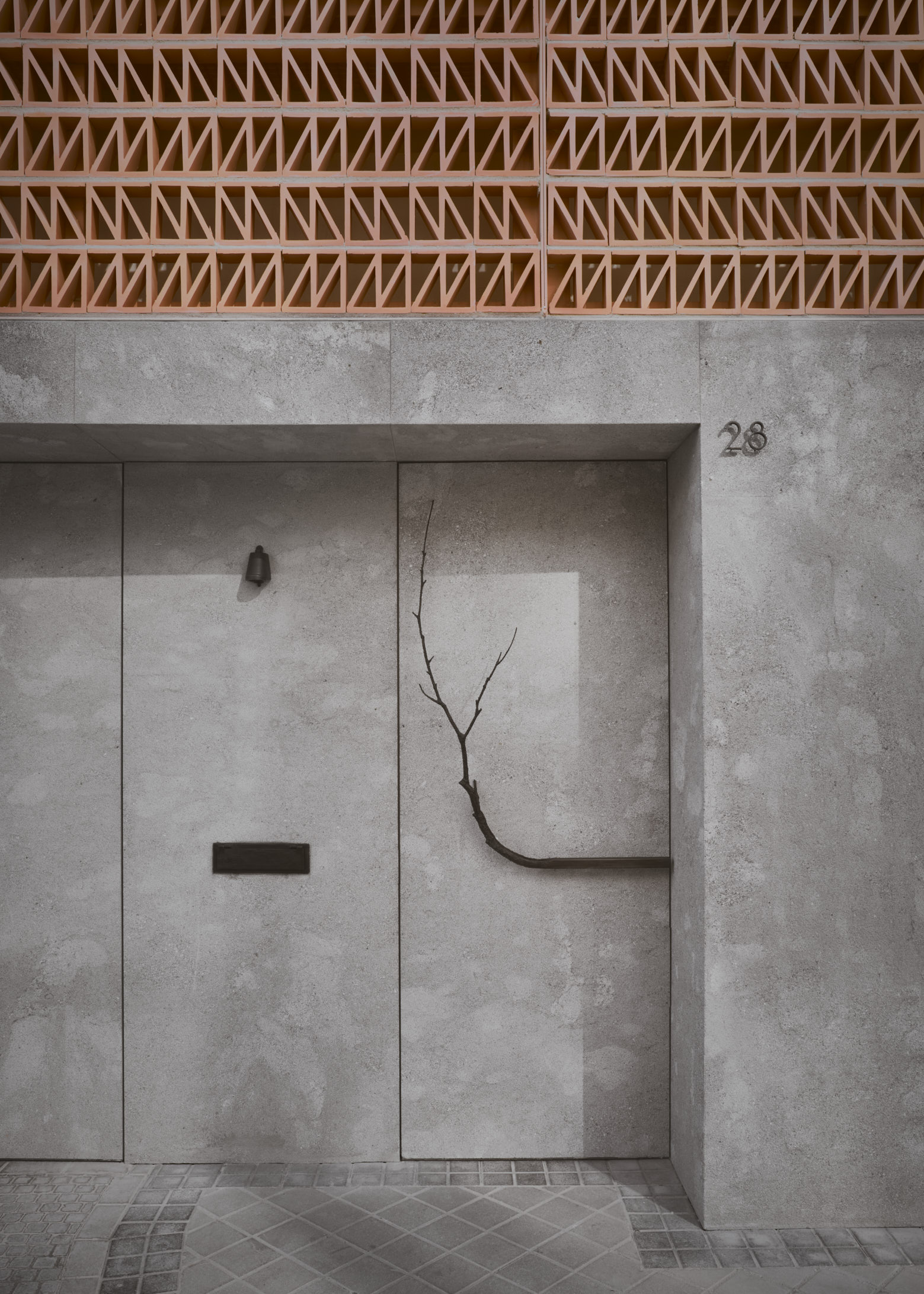
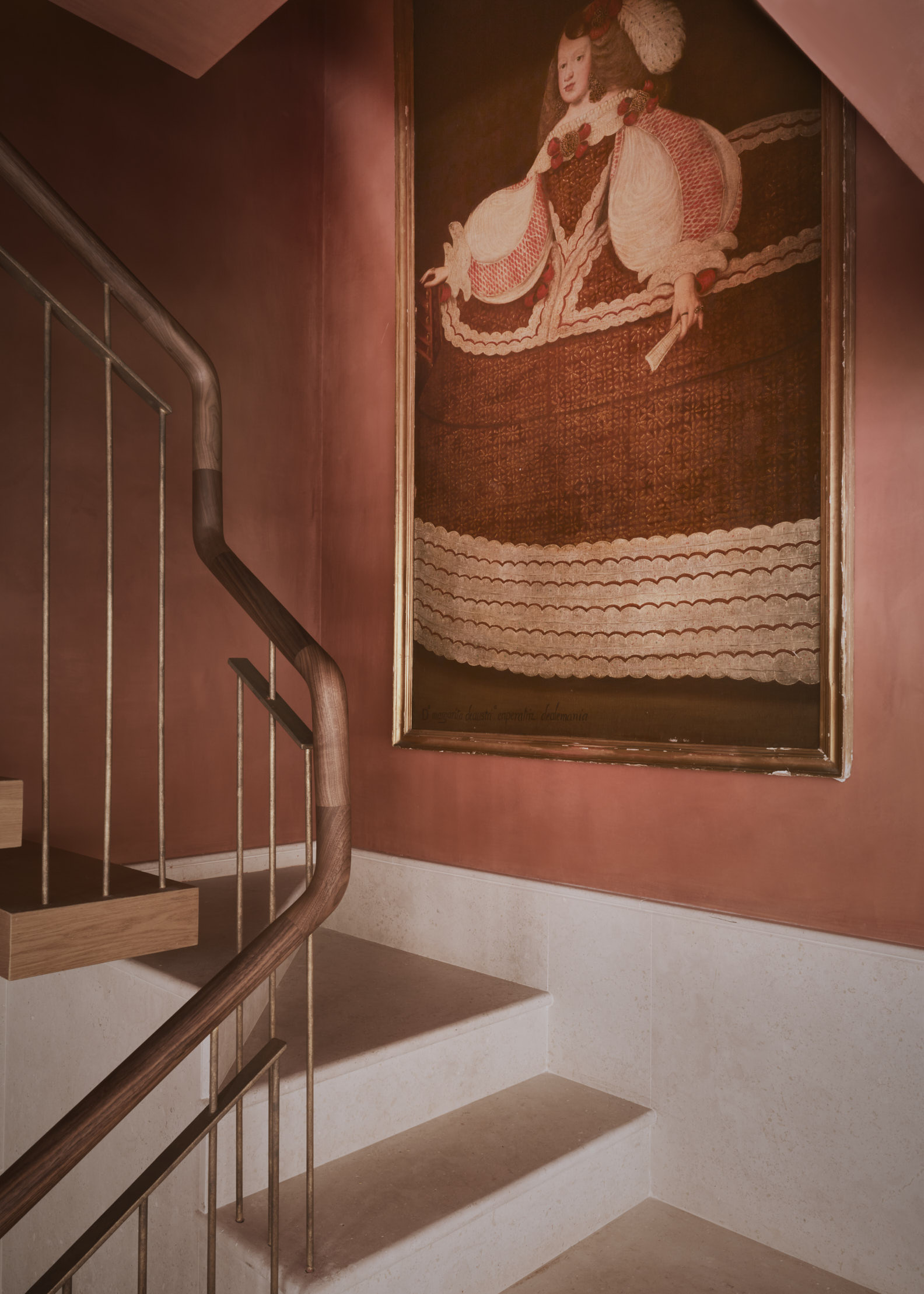
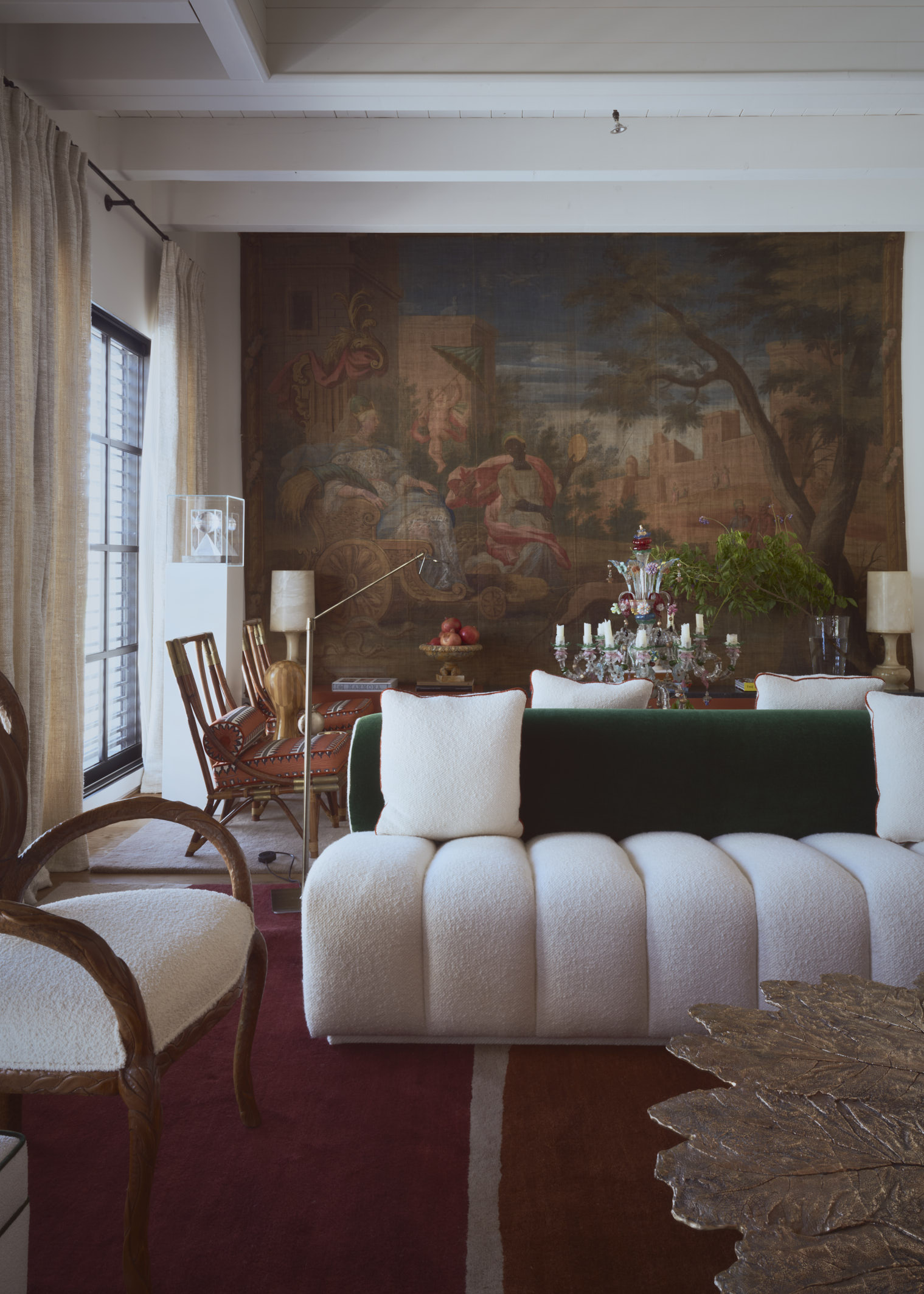
The first thing to note about de la Rica’s home is the unusually narrow plot it occupies. Flanked by party walls, the house had no choice but to grow upward rather than outward. ‘The verticality of the building shaped the home’s circulation and the way it functions,’ says the designer. A central staircase links the floors, with a double-height living room serving as the centre point. Here, the verticality becomes an asset, creating an unexpectedly generous sense of space.
De la Rica’s studio feels meticulously curated, as one might expect of a professional space. Her personal space, by contrast, is a looser, softer counterpart – existing within the same creative universe, but less rigidly composed. The aesthetic is one of ‘ordered eclecticism’, where ‘old and new coexist in multiple layers’, says the designer, embracing the natural contrasts that emerge when a space evolves organically rather than following a plan.
(Image credit: Antonio Rodriguez)
(Image credit: Antonio Rodriguez)
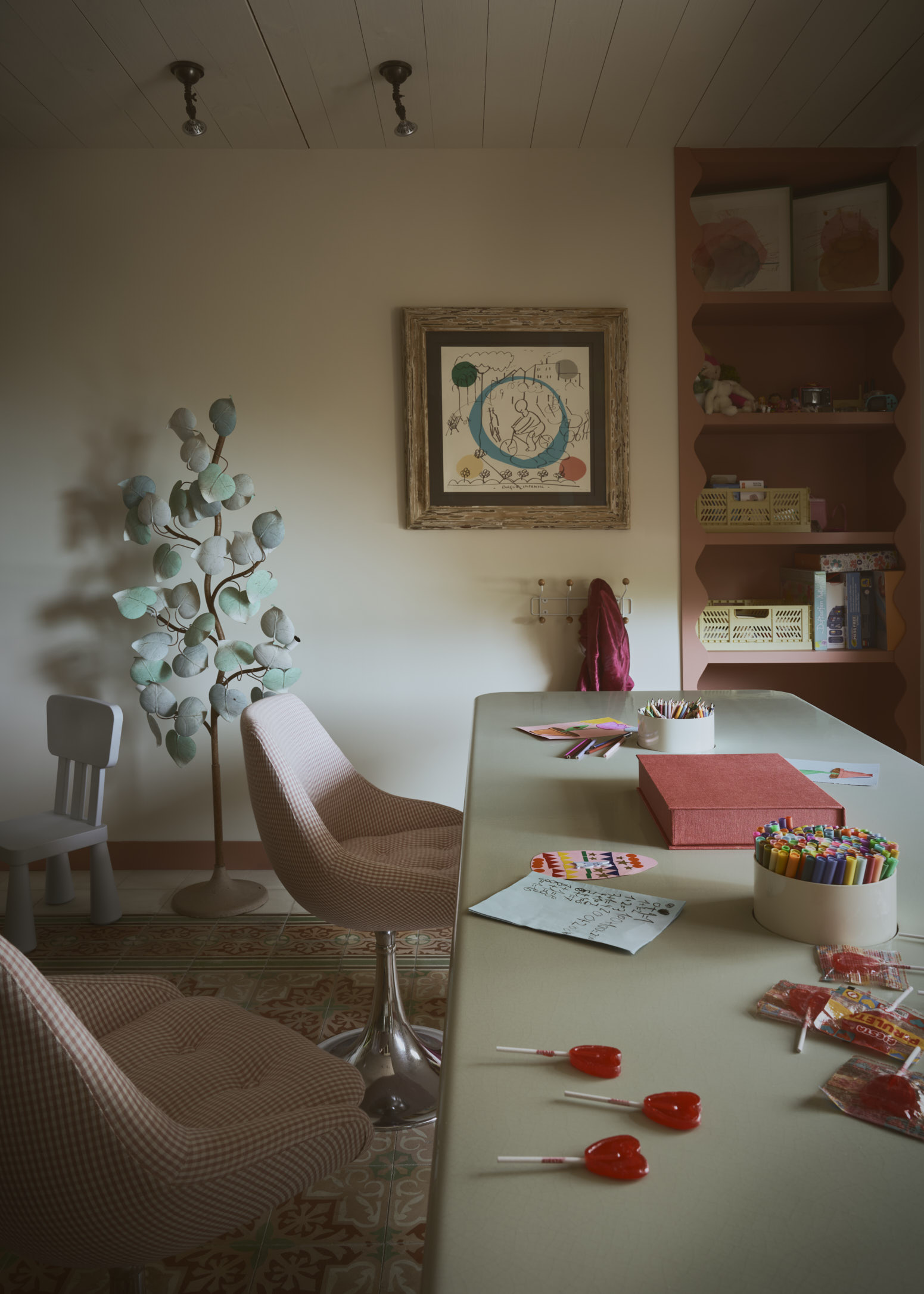
‘My intention from the beginning was to create a gentle flow, one that matched the rhythm of our family life,’ continues de la Rica, who has three daughters. ‘The home had to truly support the way we live – a place with flow, warmth and purpose, where every space invites you to stay.’ The ‘perfectly imperfect’ space is filled with moments of ‘gathering, work, play and calm’.
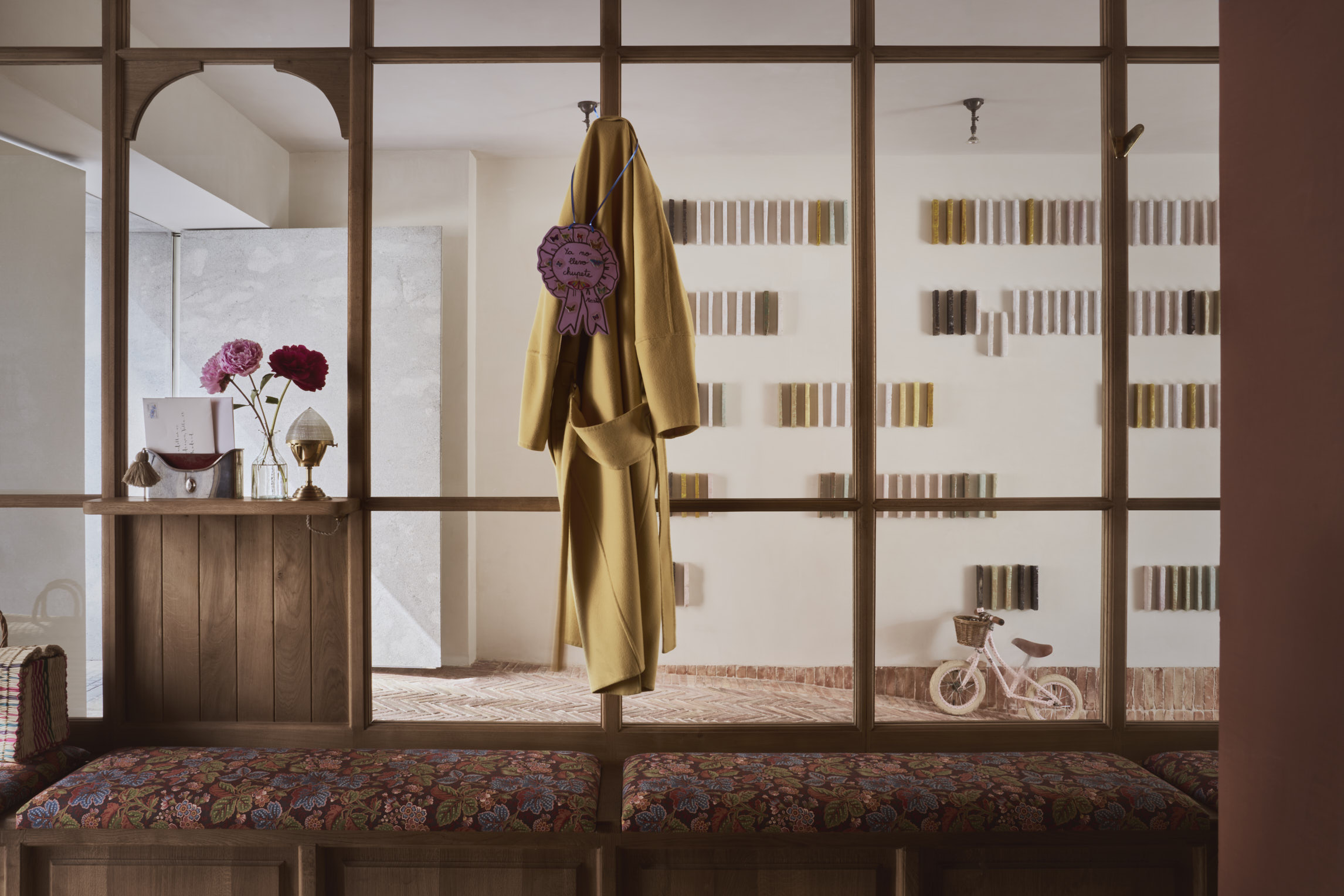
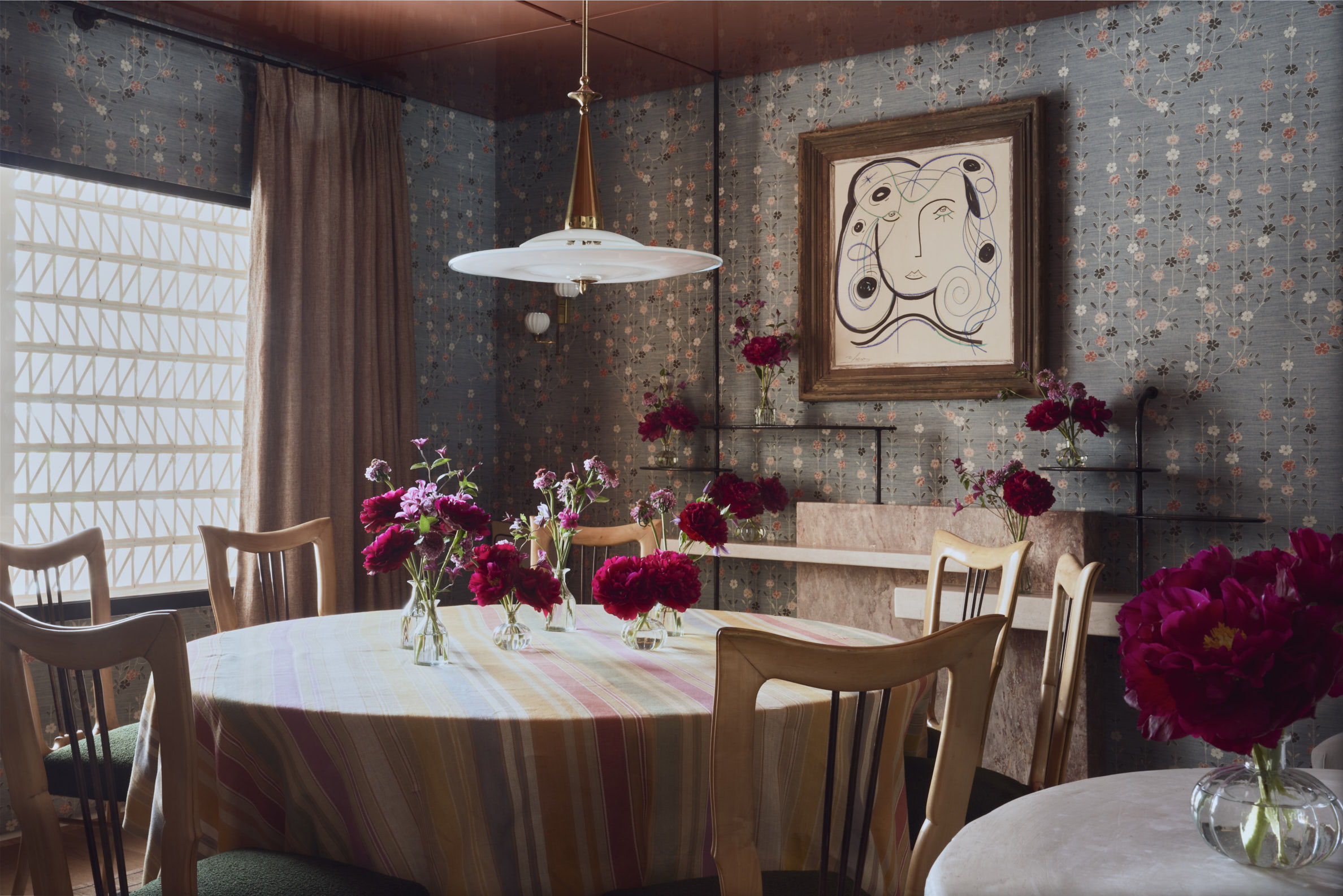
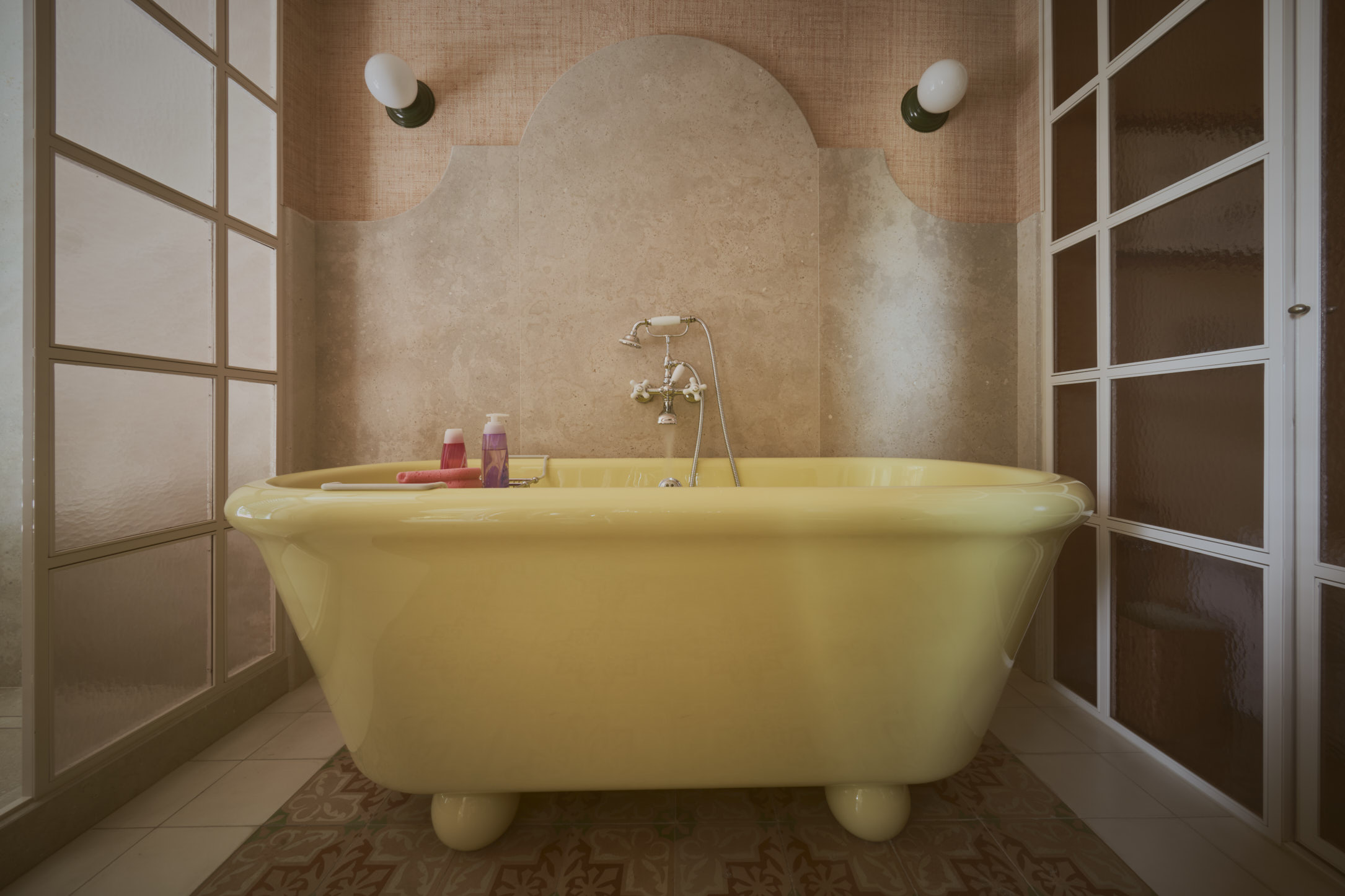
‘Colour is my language, and choosing the palette was one of the most intuitive parts of the project,’ says de la Rica, who opted for terracottas, pinks, yellows and soft greens, uniting to create an atmosphere that feels innately optimistic. Material choices ‘followed the same instinctive path’, favouring tactile, sometimes imperfect, elements of linen, timber, handmade tiles, marble, bronze and embroidered fabrics, many developed in collaboration with artisans in Spain and France. These materials, and the contrasts between them, were selected for their depth: ‘Harmony was essential, but so was character,’ the designer adds.
(Image credit: Antonio Rodriguez)
(Image credit: Antonio Rodriguez)
De la Rica’s home is filled with objects collected over the years from brocantes, artisans and antique markets. These items that ‘carry memories and humour, [creating] an atmosphere of lived-in elegance.’ The designer’s ‘personal maxim’ of ‘making the ordinary extraordinary’ is deeply felt, with ‘every corner [feeling] considered, welcoming and quietly special’.
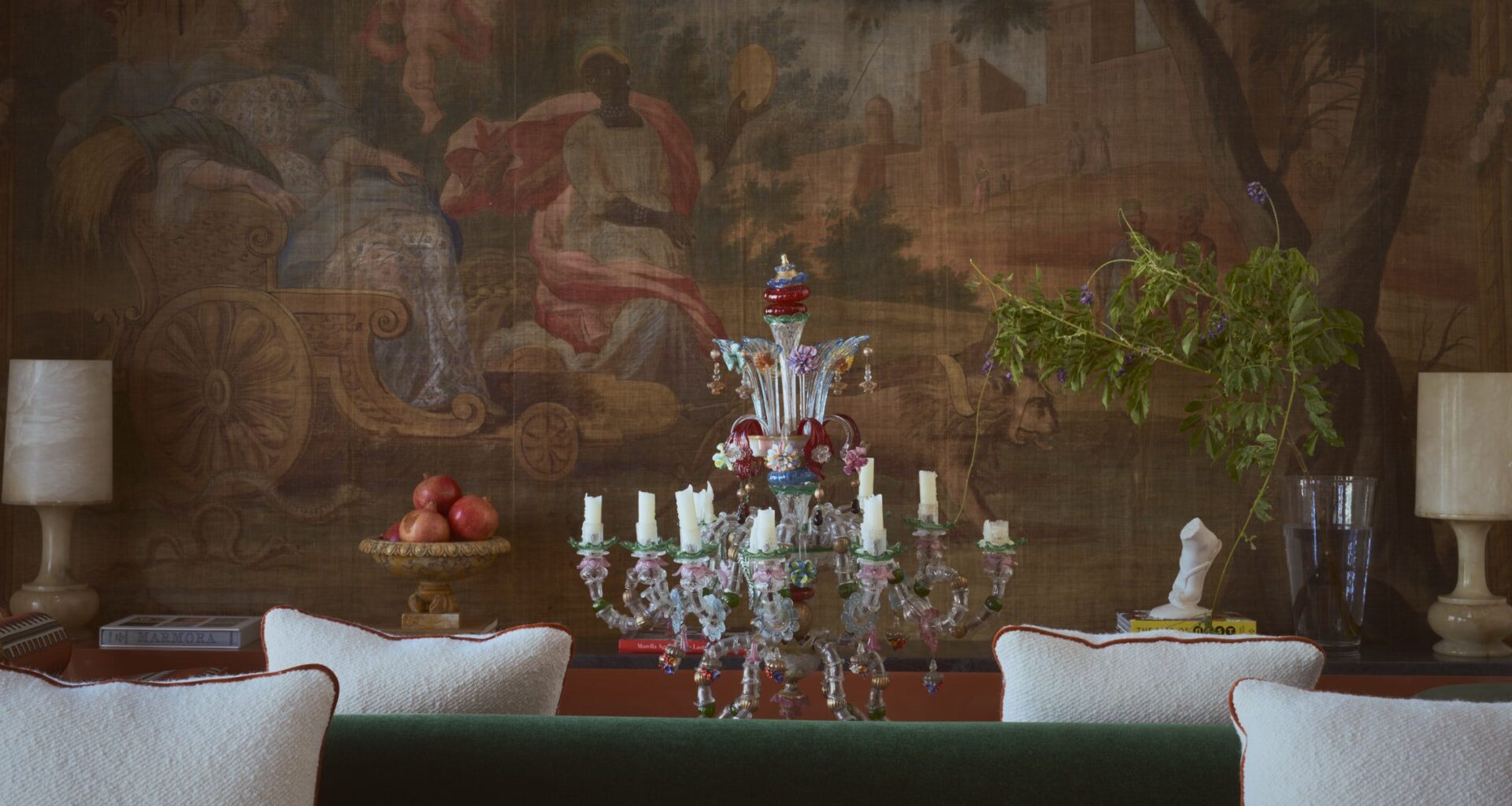
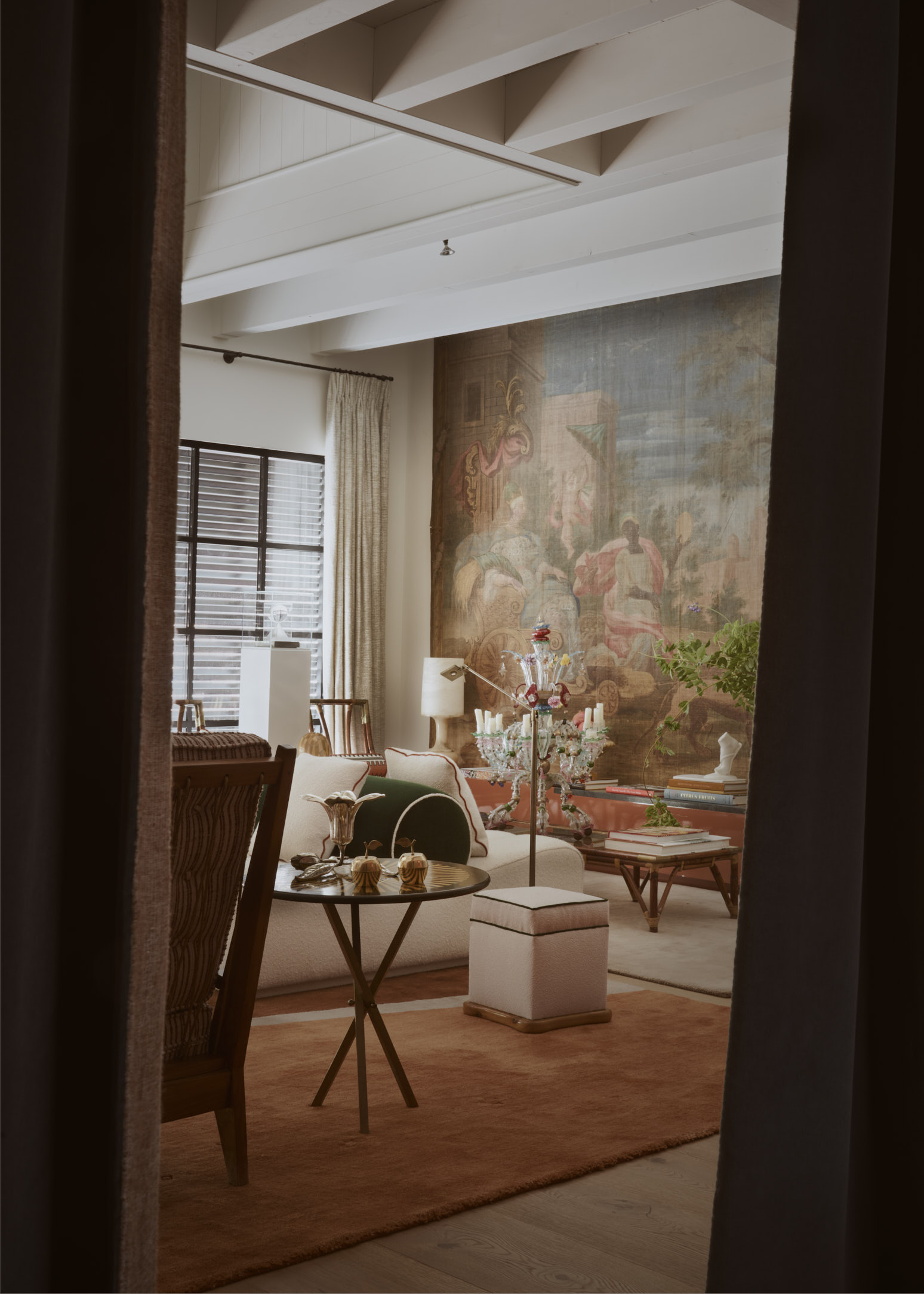
One of de la Rica’s favourite pieces is a tapestry on the wall: ‘I first saw it in Biarritz as a child, in an antique shop I used to visit with my father. The owner wouldn’t sell it because it decorated her shop. Twenty years later, by complete chance, I came across it again in Nice – the same owner, now about to retire, agreed to part with it.’
(Image credit: Antonio Rodriguez)
This encounter captures the power of memory and intuition in shaping a truly personal space. The vertical form of de la Rica’s home may have been restrictive, but the result is a home that feels expansive, inviting and imbued with personality.
(Image credit: Antonio Rodriguez)
(Image credit: Antonio Rodriguez)