Psychedelic rock reached its peak in the late ’60s, but the groundwork was laid earlier in the decade. Rock slowly but surely left its polished, bluesy roots behind and chose something more befitting the drug-fuelled haze of the late ’60s, early ’70s. Several songs served as watershed moments, pushing the genre in a new direction. Below, find three songs from 1965 that helped shape psychedelic rock.
“Heart Full of Soul” – The Yardbirds
The Yardbirds’ “Heart Full of Soul” foreshadowed the rise of Eastern influences in rock, a hallmark of the psychedelic movement. Jeff Beck’s fuzzy guitar playing evokes the sitar, giving this track an off-kilter edge.
Tonal guitar playing was used to great advantage during the psychedelic movement. While earlier decades might’ve wanted the guitar tones to be clean and punchy, this phase of rock didn’t mind a little texture. Beck proved the method’s merits here.
“Norwegian Wood (This Bird Has Flown)” – The Beatles
Speaking of the sitar, the Beatles’ “Norwegian Wood (This Bird Has Flown)” helped to popularize its use in rock music. George Harrison used his affinity for Eastern culture to help shape this globally inclined hit.
The Beatles were tastemakers at multiple points throughout their career. They revolutionized recording techniques and married ideas no one had ever conceptualized. This track was one of their most influential moments, prompting many of their peers to delve into the sitar and psychedelia more broadly.
“Satisfaction” (The Rolling Stones)
While this song is perhaps the least psychedelic on the list, the Rolling Stones’ “Satisfaction” helped proliferate the movement. Like Beck in “Heart Full of Soul”, the band made use of a permanent texture on their guitars. The instrument’s fuzzy sound immediately signals to the listener that this song belongs in a conversation about influential psychedelic songs.
The Stones inspired many subsequent bands to explore their own methods of distortion. Psychedelic rockers would open up a whole new world of experimentation, but they needed someone to take the first leap. While the Stones were far from the first band to do it, their popularity likely made it easier for others to follow their lead.
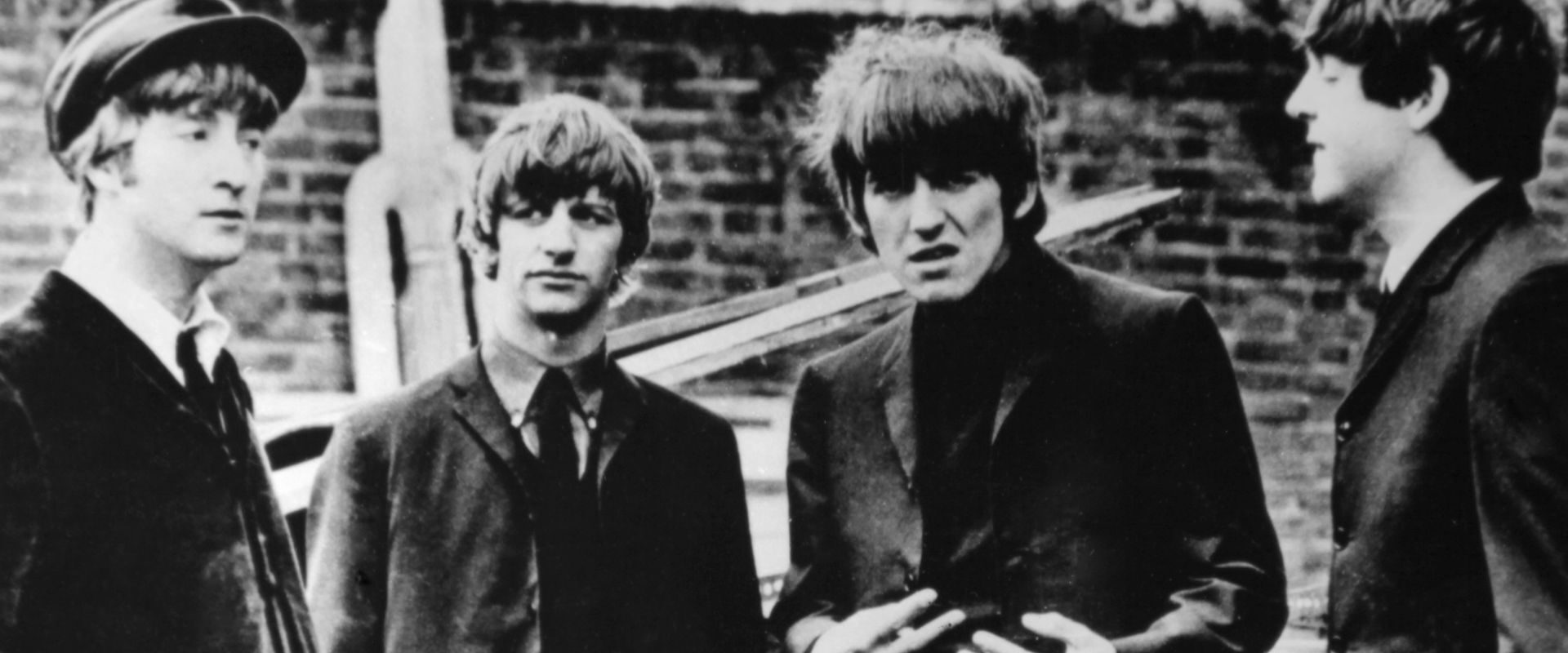
(Photo by Keystone-France/Gamma-Rapho via Getty Images)