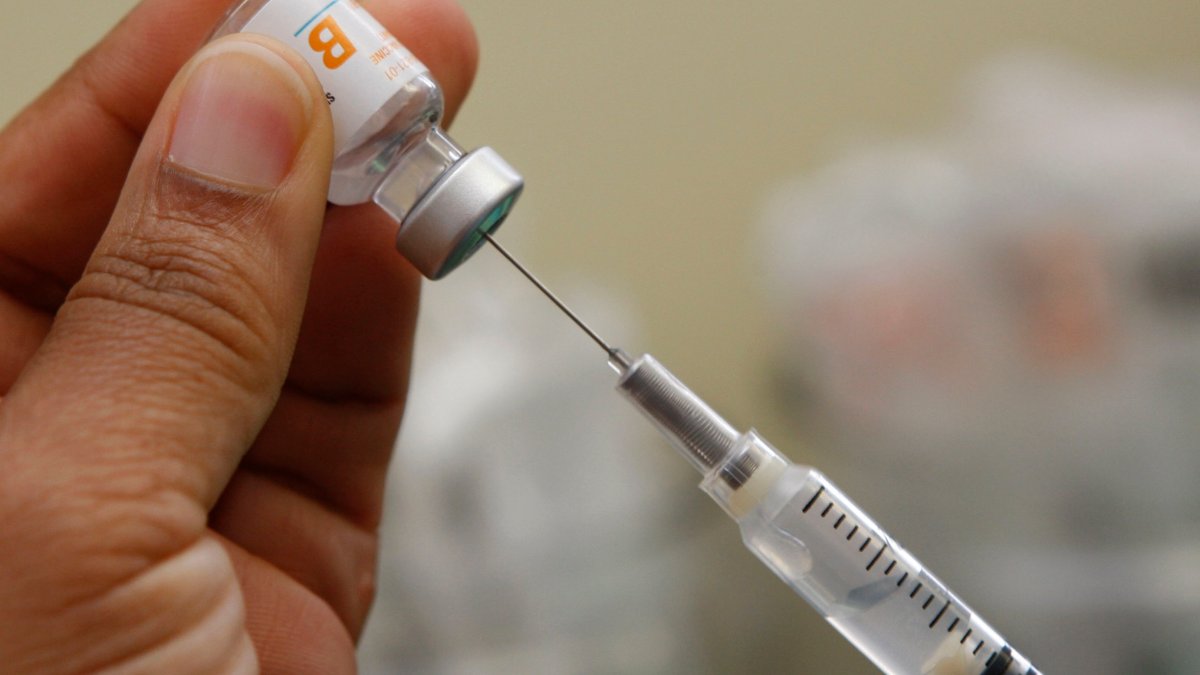
Los Angeles County and California public health officials will continue to recommend hepatitis B vaccinations for newborns at birth, despite the Centers for Disease Control and Prevention’s decision to roll back on its guidance, the LA County Department of Public Health announced Friday.
For decades, parents have been recommended to give their newborns the first dose of the vaccine against hepatitis B, a viral liver infection without a cure, within the first 24 hours of their birth. After the first dose, children typically get the second dose at 1 to 2 months, and the third between 6 to 18 months of age.
But now under the leadership of Robert F. Kennedy, Jr., anti-vaccine activist, the CDC will give more control to mothers: if women test negative for hepatitis B, they can decide with their doctor whether to give the first dose until after the baby turns at least 2-months-old.
Hours after the CDC advisory panel voted on the new recommendations, the LA County Department of Public Health said it is following “the existing” guidelines, giving all babies hepatitis B vaccine “as early as possible.”
“There are no modifications to immunization schedules or vaccine availability for Los Angeles County residents, at this time,” the public health department said in a statement.
LA County public health officials also went on to slam the CDC advisory committee’s vote, saying it “not based on new evidence suggesting that hepatitis B vaccine birth dose is unsafe or ineffective.
“All existing data suggest that the universal birth dose of hepatitis B vaccine is consistently safe and results in life-long protection after the vaccine series is completed,” the department added.
There has been only one known perinatal hepatitis B infection in the past five years in LA County, the public health department said, contributing largely to the universal birth dose of the hepatitis B vaccine.
The LA County agency also warned if babies contract hepatitis B, they will face lifelong health consequences, with up to 90% developing chronic hepatitis infection and at least 25% dying prematurely from cirrhosis or hepatocellular cancer, a type of liver cancer.
Public health officials also alerted that having a hepatitis B infection at an early age would increase long-term health care costs, including those chronic conditions and cancer treatment as well as transplantation.