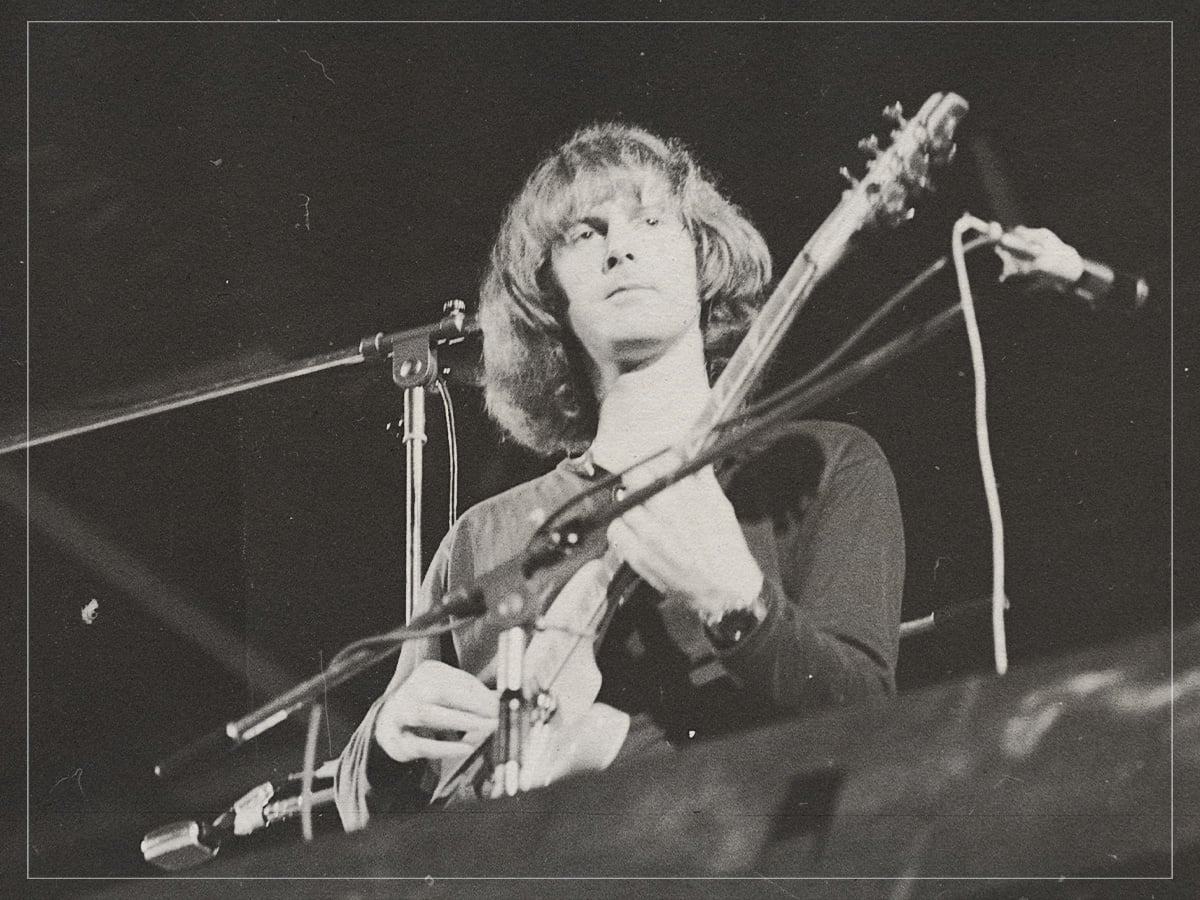
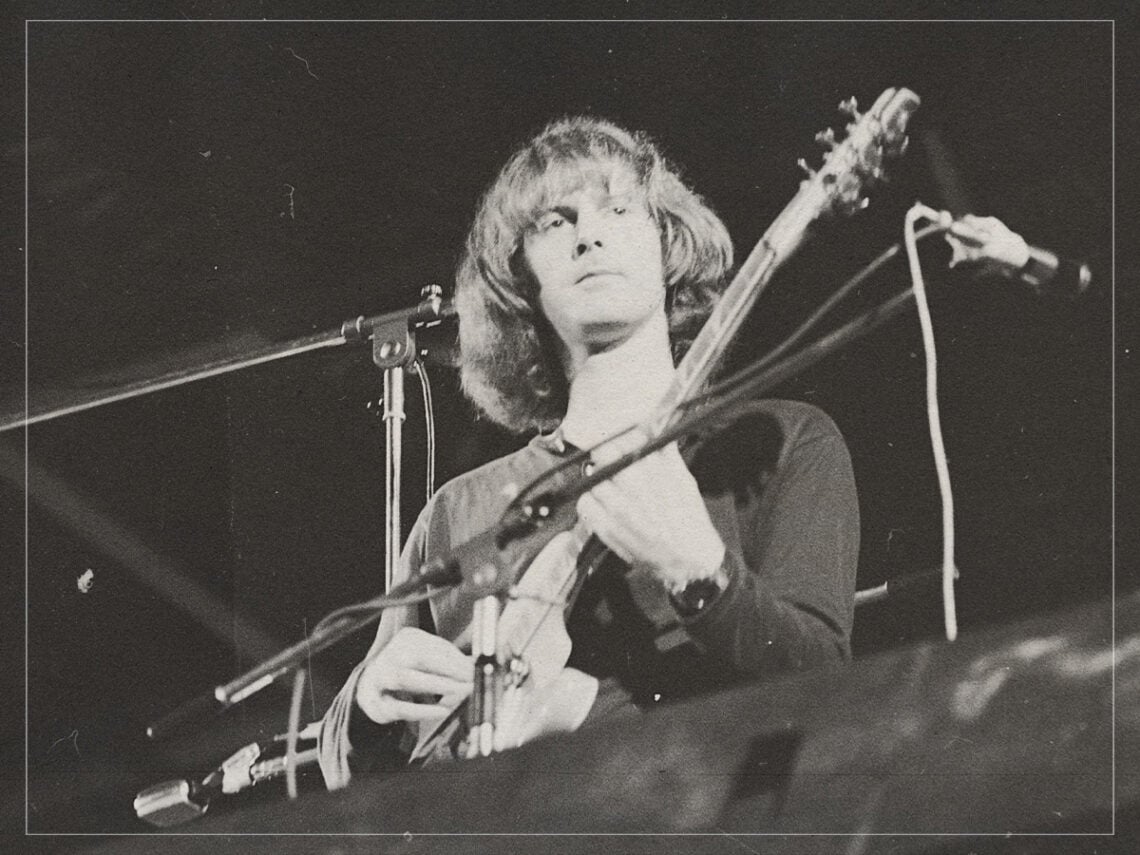
(Credits: Far Out / Fotoburo De Boer / Noord-Hollands Archief)
Sat 6 December 2025 13:30, UK
With just a twelve-string Rickenbacker and a little compression, The Byrds guitarist Roger McGuinn seemed to aurally capture the countercultural winds teasing the seismic youthquake to come.
As the British Invasion was dominating the US charts, The Byrds charted a course toward folk rock, which seemed to point a faint, distant road to Woodstock Festival before the rest of the music world had quite grappled with the political upend sweeping the Boomer generation across the mid-1960s.
Immortalised in 1965’s ‘Turn! Turn! Turn! (To Everything There is a Season)’, McGuinn’s shimmering, jangly guitar seemed to almost give sonic voice to a blooming era eager to chase a new creative dawn far removed from the planet their wartime parents grew up in.
McGuinn cut his teeth amid the tail end of New York’s folk revivalism, playing the coffeehouse circuit and scoring sideman duties with the likes of Judy Collins and The Limeliters.
The road to The Byrds was truly forged by a chance witness of The Beatles’ A Hard Day’s Night film, spotting lead guitarist George Harrison play a Rickenbacker 360/12, and prompting McGuinn to explore the new expansions to his folk sound. The Byrds would drop their debut, Mr Tambourine Man, the following year to near universal acclaim.
One key figure of the pop world afforded McGuinn a crucial leg-up in between his folk gigs and Byrds stardom, however. Hired in 1962, folk and country chart success Bobby Darin recruited the budding McGuinn as a backup guitarist and singer, as well as heading to the famed Brill Building hit factory as part of Darin’s new TM Music venture, earning a tidy $35 a week.
“Singing harmonies with someone like him was a dream come true for me,” McGuinn recalled to journalist Alan Harrison in 2011. “When Bobby realised that his days were numbered as a pop singer, he moved into the Brill Building and took me with him. I had to sit in my office all day listening to the radio and trying to copy the hits. It wasn’t the hardest work I’ve ever done, but it was a fantastic learning experience in the actual mechanics of songwriting.”
Studying the day’s Hot 100, McGuinn, Darin and singer Frank Gari managed to capitalise on one of pop’s sweeping crazes that scoring many a Californian teen. “At that time, surf music was just beginning to become popular, so that was what I was influenced by,” McGuinn furthered. “A few of my songs did get recorded, but only one, ‘Beach Ball’, was actually a hit, by a band called The City Surfers, which was really me playing guitar and a bunch of friends.”
It’s a testament to just how dizzyingly fast the music climate was hurtling across the tumultuous decade, when ‘Beach Ball’ can bounce into 1963 and The Byrds score the youth’s cultural awakening only two short years later. Further acclaim would see McGuinn through his formative band and a solo career, but all was owed to Darin’s taking a punt on the jobbing folk guitarist back when rock and pop didn’t quite expect the countercultural force to come.
Related Topics