President Trump signalled potential new tariffs on Canadian fertiliser and Indian rice as trade negotiations stall and farmers face mounting market pressures.
In a fresh sign of strain in ongoing trade discussions, President Donald
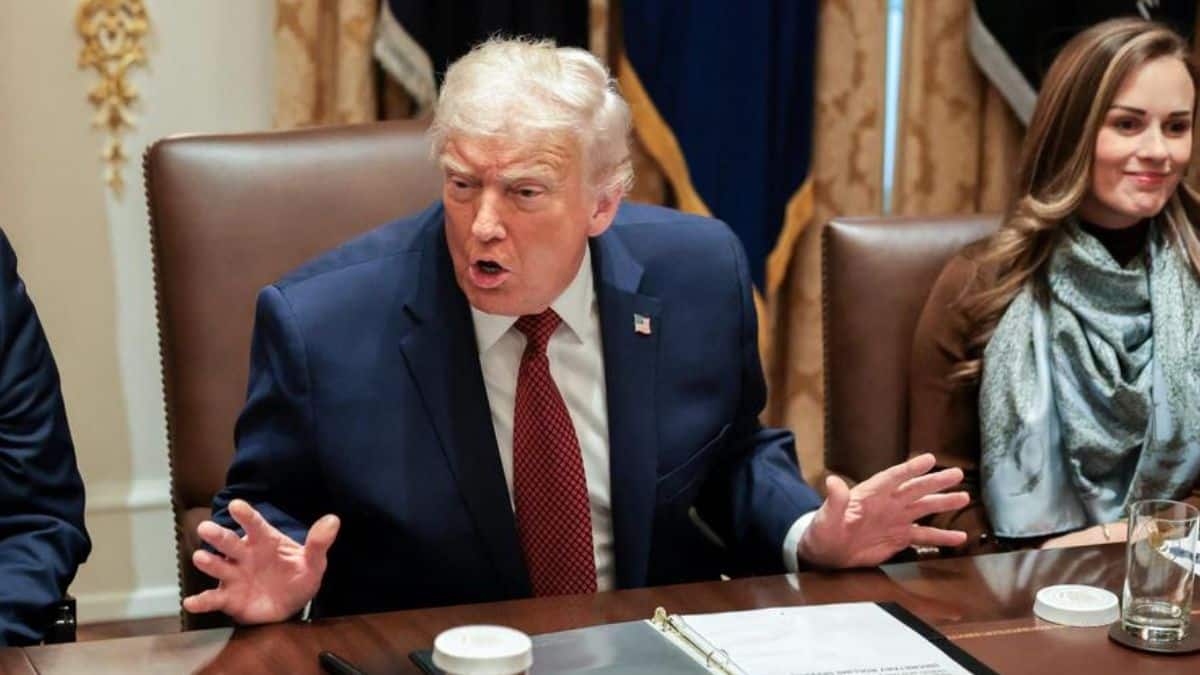
Trump indicated that additional duties could be imposed on agricultural imports such as Canadian fertiliser and Indian rice. The remarks came during a White House event on Monday, where he unveiled billions in new financial support for US farmers who said cheaper foreign products were making competition increasingly difficult.
Trump said he intended to address what some US rice growers describe as the dumping of Indian rice into the domestic market. Farmers have linked falling rice prices to imports from India, Vietnam and Thailand, arguing that their crops are being undercut. “They shouldn’t be dumping,” Trump said, noting that he had heard similar complaints from others.
STORY CONTINUES BELOW THIS AD
#WATCH | US President Donald Trump asks the United States Secretary of the Treasury, Scott Bessent, “Why is India allowed to do that (“dumping rice into the US”)? They have to pay tariffs. Do they have an exemption on rice?”
United States Secretary of the Treasury, Scott Bessent… pic.twitter.com/75tKFYt37G
— ANI (@ANI) December 8, 2025
He also floated the possibility of measures targeting Canadian fertiliser imports, suggesting tariffs could be used to strengthen domestic output. “A lot of it does come in from Canada, and so we will end up putting very severe tariffs on that, if we have to,” he told attendees, adding that the product could be made in the US.
The president faces intensifying demands to confront high consumer prices and persistent inflation, conditions that have fuelled voter dissatisfaction and created political risks for Republicans ahead of next year’s midterm elections. Farmers, typically strong supporters of Trump, have also been affected by market pressures partly linked to the administration’s tariff policies.
Trade talks face hurdles as tariff pressure grows
Trump had previously excluded some fertilisers, including potash and urea, from reciprocal tariffs imposed on Canada, while products meeting the standards of the North American trade deal agreed upon during his first term are charged at a lower rate.
Canada and India have both pursued trade agreements aimed at stabilising their commercial ties with the United States, yet negotiators have struggled to reach settlements. In August, Trump imposed 50 per cent tariffs on Indian goods to retaliate against what he described as trade barriers and India’s purchases of Russian oil.
STORY CONTINUES BELOW THIS AD
A US team is due to travel to India this week for further discussions, though a breakthrough that would reduce the tariffs is not anticipated.
Reasserting his tariff approach, Trump said imports were placing strain on domestic producers and pledged to continue using duties to shelter US industries. He announced “$12 billion in economic assistance to American farmers”, funded by tariff revenues collected from trading partners. “We’re really taking in trillions of dollars, if you think about it,” Trump said, adding that other countries had “took advantage of us like nobody’s ever seen.”
End of Article