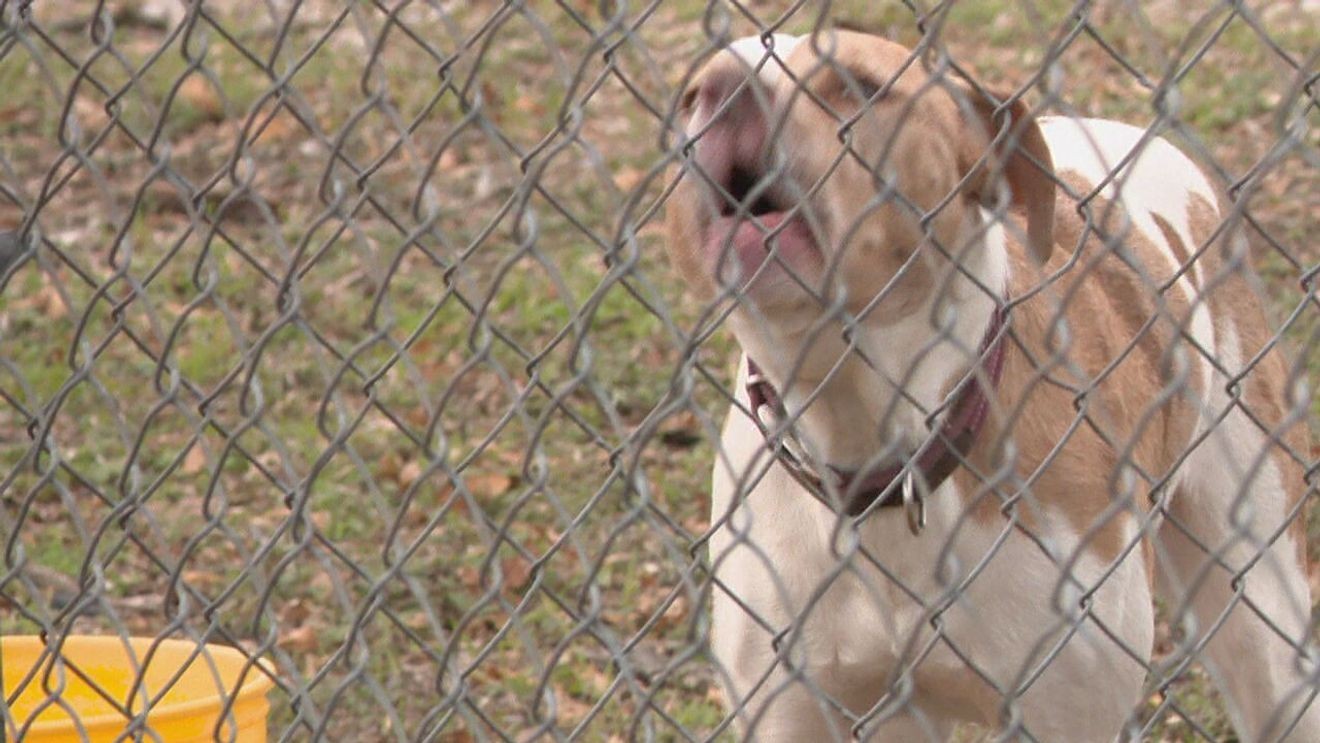
SAN ANTONIO — A San Antonio letter carrier is recovering after a violent dog attack in the 78201 ZIP code, an area longtime postal workers say has been a persistent hotspot for dog bites.
Our own analysis of dog bites in 2024 found the same trend.
Fiona Hudson, a U.S. Postal Service carrier, was delivering mail on Nov. 19 when a loose dog charged at her. She suffered multiple bites to her arms and was taken to the hospital.
“She was very scared. She was fighting for her life,” said Homer Hernandez, president of the local letter carriers union. “The only thing that saved her was the little neck fan she had. Otherwise, that dog was coming after her neck and could have probably killed her.”
Despite the severity of Hudson’s injuries, Hernandez said overall dog bite reports in the area have declined in recent months, and he credits a series of harsher penalties approved by the City Council last year.
New Penalties One Year Later
The 2024 ordinance introduced several changes intended to curb aggressive dog behavior, including:
- Higher fines for repeat dog bites
- Mandatory sterilization orders for loose animals
- A new option allowing residents to file dangerous dog complaints under a pseudonym
District 7 Councilwoman Marina Alderete Gavito, who introduced the policy, said residents have reported changes in their neighborhoods.
“We’ve received feedback saying, ‘My neighbor used to always let their dog out, and now they’re not anymore,’” Gavito said.
Sterilization Orders
Animal Care Services (ACS) provided data showing the city issued more than 2,200 sterilization orders in the past year.
About 35 percent of pet owners complied. More than 60 percent were cited for failing to sterilize their pets within 30 days, as required.
“If we don’t get notification within 30 days that they’ve gotten their animals sterilized, then they receive a citation,” ACS Director Jon Gary said.
These orders are issued every day, Gary says, and ACS has put an emphasis on following up on them.
ACS completed follow-ups for 98.4% of orders during the last fiscal year.
Gavito said enforcement is crucial to changing behavior.
“We want dog owners who let their dogs out to be held accountable,” she said. “We’re only going to see more of that as this policy continues.”
Pseudonym Option Rarely Used
While the ordinance allows complainants to use a pseudonym when reporting dangerous or aggressive dogs, ACS said few residents have taken advantage of the option.
Gary said only three affidavits filed this year used a pseudonym.
“We haven’t seen as many as we thought,” he said, adding that the option will remain available.
That’s a telling trend, Gary says.
“It tells us that more people are willing to say, I’m willing to put my name out there,” Gary said.
Culture Change Takes Time
Gavito said the city expects to build on the policy in its second year.
“We’re trying to change the culture of dog ownership in San Antonio,” she said. “That’s something that builds on itself year over year.”
ACS has put an emphasis on hiring officers, which has improved their response times around the city.
In FY25, ACS investigators responded to 98% of 3,882 confirmed bite cases.
The critical response rate for that time frame as 86.6%, compared to 62.4% in FY24.
In the last four months, the critical call response rate has been over 90%, ACS says.
City Council previously set a goal of having all critical calls answered.
As holiday deliveries increase, Hernandez is urging residents to take extra precautions.
“To our community — please be responsible with your dogs,” he said.
ACS leaders say they plan to continue prioritizing prevention efforts in the coming fiscal year.