China continues to make big advances in the final frontier.
You may like
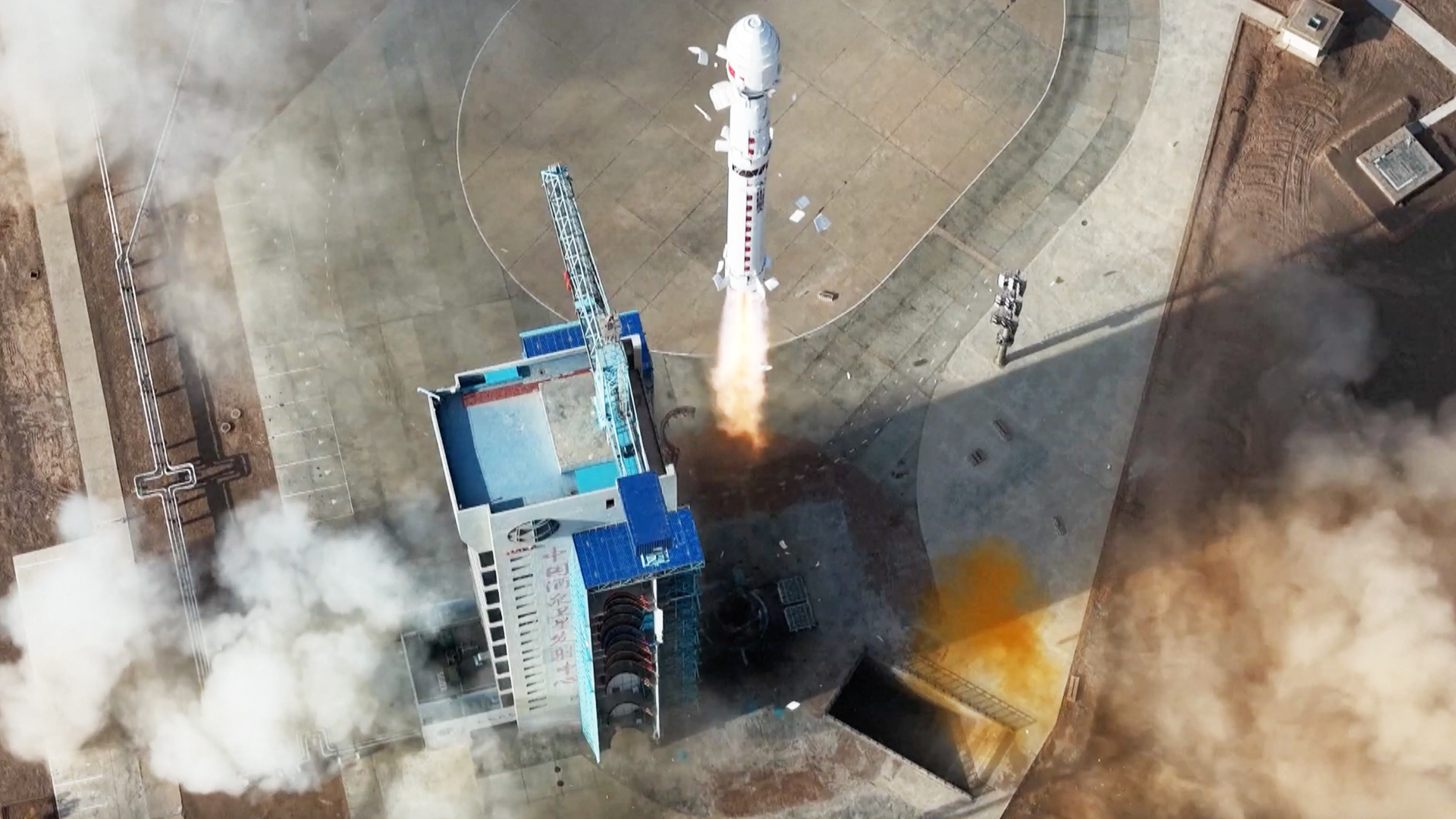
A Chinese Long March 4B rocket launches the Yaogan 47 satellite to space from Jiuquan Satellite Launch Center on Dec. 9, 2025. (Image credit: CCTV)
The flurry began Monday (Dec. 8) at 5:11 p.m. EST (2211 GMT), when a Long March 6A rocket lifted off from Taiyuan Satellite Launch Center in northern China. That mission successfully sent a batch of broadband satellites to low Earth orbit for the Guowang (“national network”) megaconstellation.
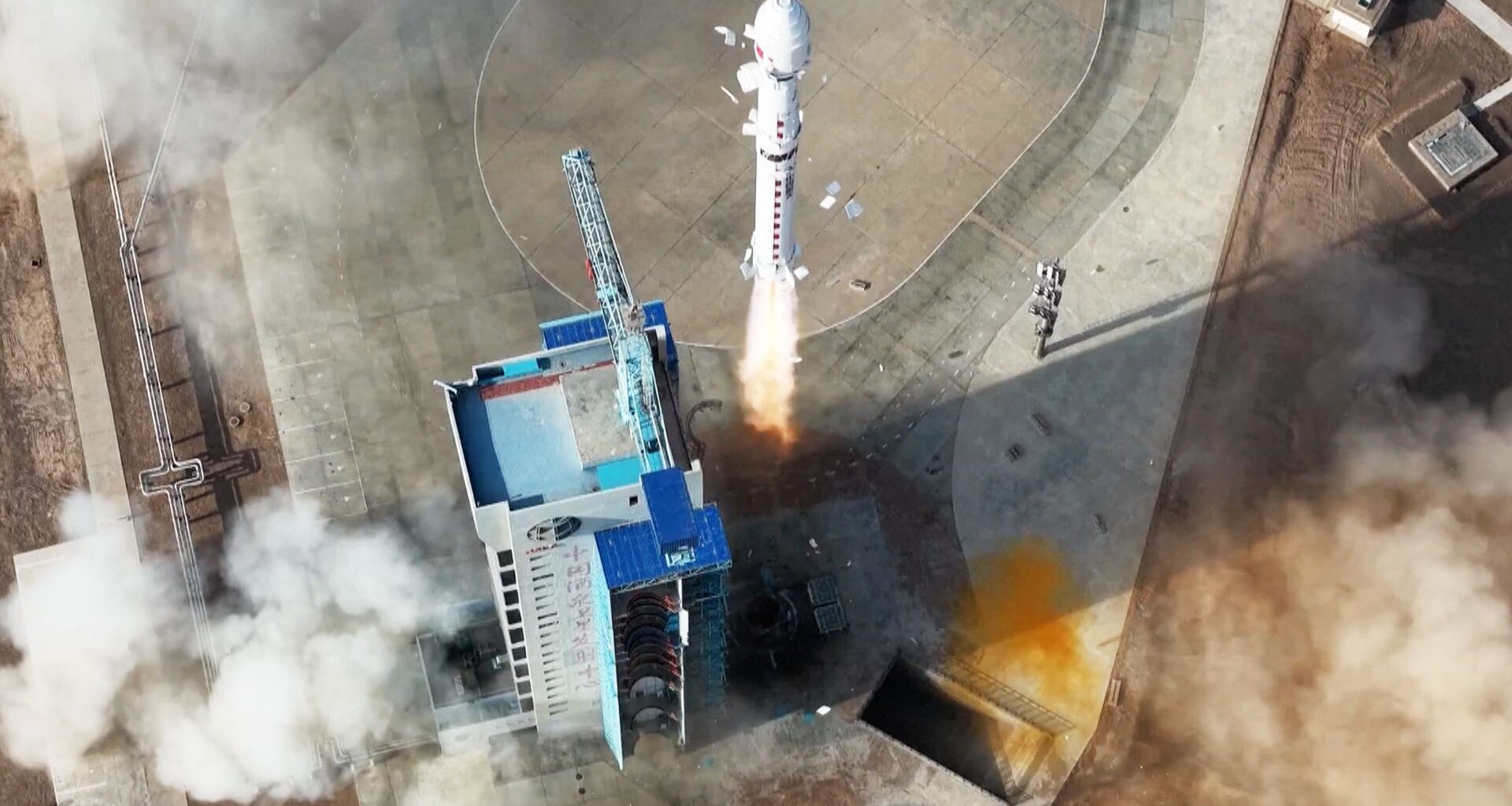
Then, at 10:41 p.m. EST on Monday (0341 GMT on Tuesday, Dec. 9), the mysterious Yaogan 47 spacecraft took flight atop a Long March 4B from Jiuquan Satellite Launch Center in the Gobi Desert. Yaogan 47 is a classified satellite that will be used by the Chinese military.
The tripleheader wrapped up on Tuesday at 10:08 a.m. EST (1508 GMT) with the launch of another classified satellite, known as TJSW-22, on a Long March 3B from Xichang Satellite Launch Center in western China.
All three of these launches took place on Tuesday Beijing time, as noted by the China Aerospace Science and Technology Corporation (CASC), the state-owned entity that operates the Long March family of rockets.
“This was the third successful launch of China’s Long March rockets today, setting a new record of three launches in one day,” CASC officials said in a statement on Tuesday, referring to the TJSW-22 liftoff (in Mandarin; translation by Google).
A total of five orbital launches have now occurred in the 24-hour stretch beginning with Monday’s Guowang liftoff. The other two were SpaceX Falcon 9 missions — a Monday evening flight lofted a batch of the company’s Starlink satellites and the NROL-77 launch for the U.S. National Reconnaissance Office happened on Tuesday afternoon.
That’s not a 24-hour record, however: Between April 28-29 of this year, six different rockets launched toward orbit in a span of just 18 hours — a Long March 5B, two Falcon 9s, a United Launch Alliance Atlas V, an Arianespace Vega C and Alpha, a vehicle built and operated by Texas-based company Firefly Aerospace. All but Alpha were successful.