

Coronavirus: Steps to take while washing produce
Take these steps before and after you wash your produce to make sure your fruits and vegetables are clean.
ProblemSolved, USA TODAY
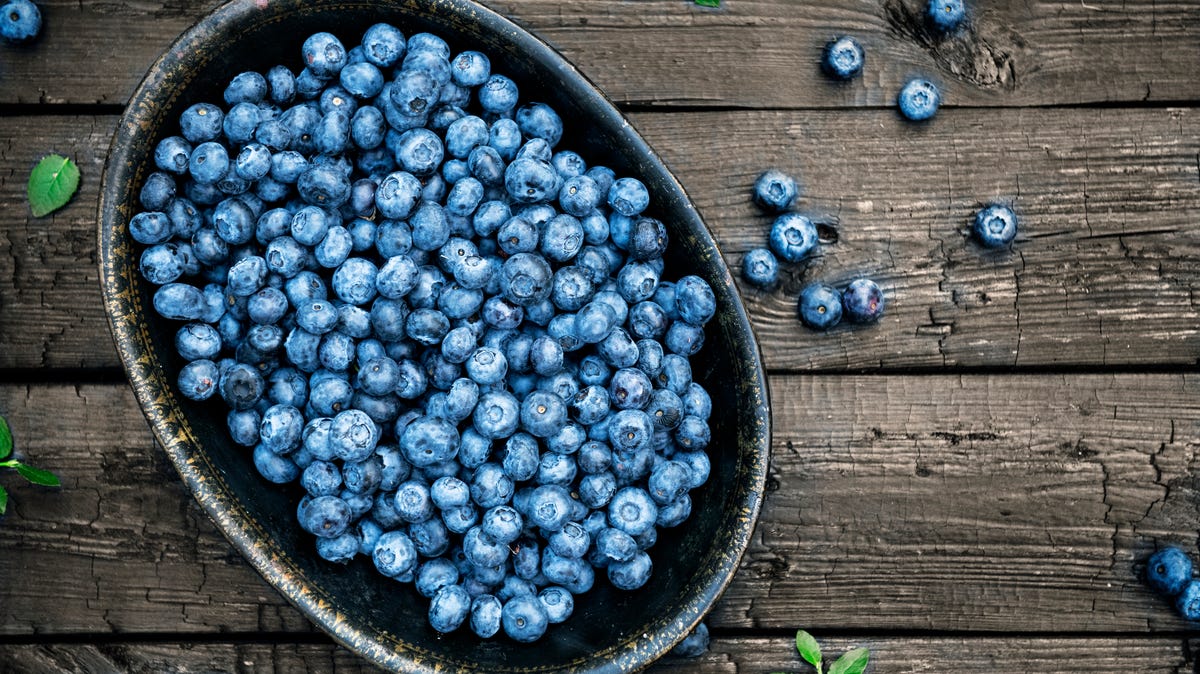
Small but mighty, blueberries pack a powerful punch of nutrition in a small package.
“Blueberries are incredibly healthy and an excellent addition to anyone’s diet,” says Laura Ligos, a registered dietitian nutritionist.
“They are rich in antioxidants, vitamin C and other nutrients that can help support brain health, heart health and healthy blood sugar levels,” she adds.
One hundred grams of the fruit (about 1 cup to 1.5 cups, depending on their size), for example, contains biotin, fiber, vitamin K, manganese, calcium and more than 8 milligrams of vitamin C, plus lesser amounts of protein, iron, phosphorus and potassium, per the U.S. Department of Agriculture.
Dr. Carolyn Newberry, an attending physician and nutrition scientist at Weill Cornell Medical Center in New York City, previously told USA TODAY that the fruit’s manganese content helps in “keeping bones strong,” and their vitamin C content is a powerful antioxidant “that promotes wound healing and reduces risk of illness.” She also noted that because blueberries are rich in vitamin K, “they can help clot blood in case of injury.”
Anthocyanins are another antioxidant that blueberries are high in and are known for benefits such as improved cognitive function and motor skills. Blueberries are also high in fiber, about 4 grams per cup, which can slow digestion, “making them a blood sugar-friendly food,” Caroline Susie, a registered dietitian, previously told USA TODAY.
Their high-fiber content also means that blueberries are filling, which, combined with their low number of calories (just 64 calories per 100 grams), means the fruit can help with healthy weight management.
Is it OK to eat blueberries every day?
For most people, it is absolutely OK to eat blueberries every day, Ligos says. “My kids certainly would if we could keep them in the house.”
Some people, however, especially those with sensitive stomachs or digestive conditions such as irritable bowel syndrome, may find that overconsumption of blueberries will give them stomach pain, constipation or cramping.
Since blueberries have vitamin K in them, “people on certain types of blood-thinning medications may want to talk to their doctor about how much is safe to consume,” Newberry cautioned. The fruit can also interact negatively with cholesterol-lowering drugs.
Are blueberries high in sugar?
As with fruit in general, blueberries are relatively high in sugar, about 14 grams in one cup, but Ligos says this shouldn’t be a concern.
This is because the sugar in blueberries are not considered added sugars, which the Centers for Disease Control and Prevention advises limiting as they can contribute to health problems like weight gain and obesity, type 2 diabetes and heart disease.
“Added sugars are sugars added during the processing of foods,” the CDC’s website explains, adding the leading sources of added sugars in the U.S. diet are sugar-sweetened beverages, desserts and sweet snacks.
Contributing: Daryl Austin