The Minister for Health is not backing down on plans to charge for putting drugs in blister packs, despite mounting political and public pressure.
Taoiseach Micheál Martin stated he does not want to see €50 price hikes for the pharmacy service, which is currently free.
But Health Minister Jennifer Carroll MacNeill is unmoved, and now patients, including elderly and vulnerable people suffering from illnesses such as dementia, may be expected to foot the bill for the service for at least a year from January 1.
 Pic: Getty Images
Fees for the monitored dosage system, or blister packs, are a knock-on effect of technical changes made to a 30-year-old scheme in a new agreement between the State and community pharmacies this year.
These fees will arise from limits that have now been placed on the number of drugs that chemists can seek reimbursement for from the Department of Health under the new agreement.
A strategic collaboration group, made up of officials from the department, pharmacists and the HSE, is expected to review the public medicine programme from next year. Therefore, it is likely that vulnerable customers and patients will face frequent charges for the service, which could amount to €50 each month.
 Pic: Stephen Collins/ Collins Photos
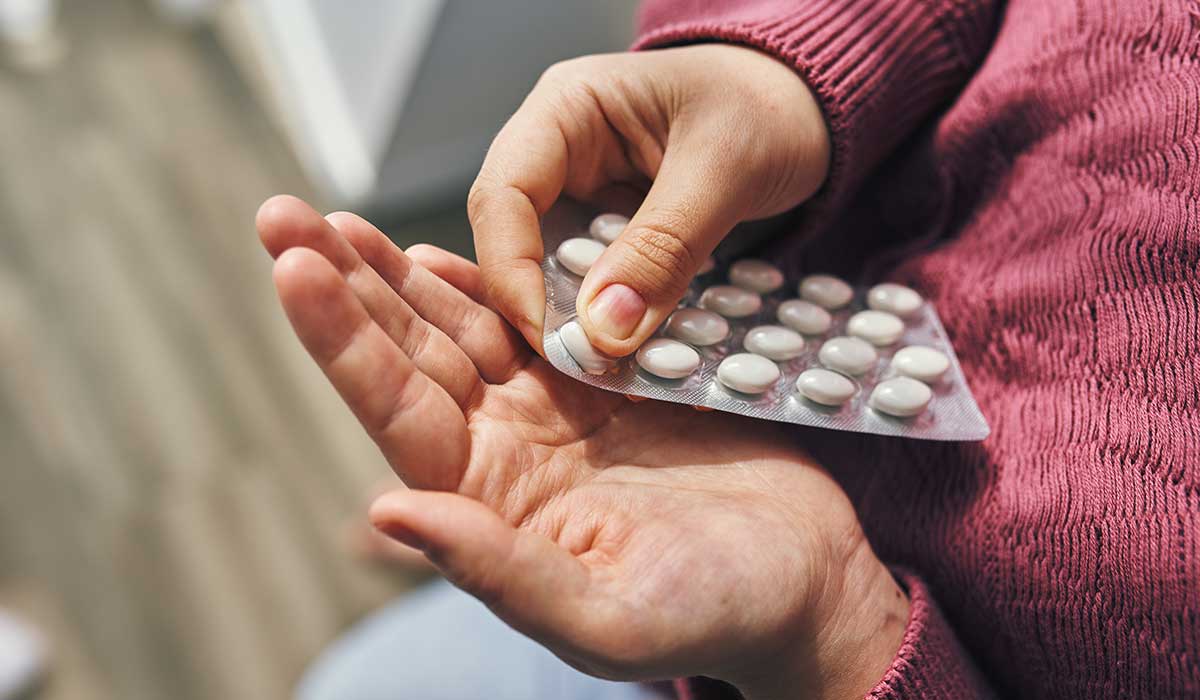
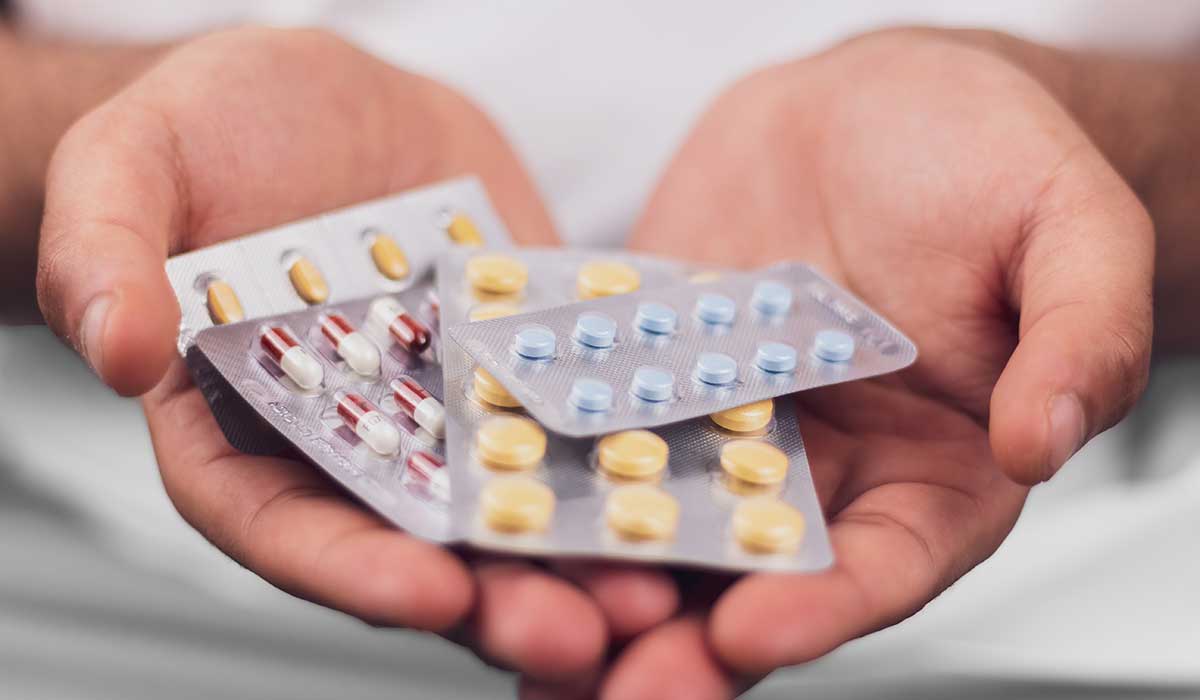
Blister packs help manage the doses of strong medicines that patients are expected to take at times throughout the day. The service, which is currently free of charge from pharmacies, can also help to reduce hospitalisations because of medication errors.
The issue was discussed in the Dáil during Leaders’ Questions yesterday, where the Taoiseach said he was ‘not sure there should be a fee attached at all’.
Sinn Féin TD Pearse Doherty said constituents of his don’t know ‘where they are going to find the extra money’ to pay for the new costs. He said: ‘The explanation the Taoiseach and his Government have offered is the State never agreed to pay for the dispensing of these blister packs in the first place. Does he really think that matters to people who rely on them? The fact is the Government has been paying for these for decades.’
 Pic: Getty Images
The Donegal TD said the technical changes should have ensured that patients were not going to face additional costs.
Mr Martin echoed Ms Carroll MacNeill’s defence and claimed the State never agreed to pay for the service in the first place. He said: ‘The easy thing to go for is that the Government must pay for everything, no matter how it is presented or manifested.’
However, he said he personally thinks that there should be no fee and that it was a matter for individual pharmacists.
 Pic: Sam Boal/Collins Photos
Under the phased dispensing mechanism, which was introduced in 1996 as a public health measure, a limited number of tablets of strong medicine are issued to patients at one time. Pharmacists could seek reimbursement from the Department of Health to cover the administration costs incurred from the scheme. In practice, however, chemists also sought reimbursements after issuing blister packs under this model.
From January 1, chemists will only be able to seek compensation for the administration costs for codeine, psychoactive medicines, opioids, and epilepsy medicine. This will now have the knock-on effect of introducing fees for dispensing medicines in blister packs, which experts estimate could be up to €12.50 per week.
Labour health spokeswoman Marie Sherlock called on Minister Carroll MacNeill to prevent these charges from being introduced. She said yesterday: ‘The failure to put in place state-funded blister pack services is short-sighted and a complete contradiction to the principles of care in the community.’
She added: ‘The minister must urgently intervene to ensure that vulnerable people who are reliant on blister packs can avail of those services this winter.’
Patients and relatives spoke of their fears regarding blister packs becoming unaffordable on RTÉ Radio 1s Liveline yesterday.
One woman said she had an elderly relative who takes 12 tablets a day but ‘her memory is not good’.
‘There could be risk of double dosing or not taking important medication when the blister is taken away,’ she remarked.
It is understood that the Minister for Health does not currently intend to make an immediate intervention in respect of these changes.
A spokesman for her department stated that it was never the State’s ‘intention’ for pharmacies to charge the department for issuing blister packs.