The father of a woman who was discovered in the backyard of her family property in 2022 says ‘many unanswered questions’ remain, following a coronial inquest into his daughter’s death.
Warning: Aboriginal and Torres Strait Islander readers are advised this article contains the name and image of an Indigenous person who has died. The images have been used with the permission of their family.
This story contains distressing details and mentions suicide.
If you or anyone you know needs help:
Barkindji mother-of-two Sonya Dutton, 31, was found in her family’s Wilcannia residence on March 29, 2022 — four days after she was reportedly last seen.
After initially being ruled a suicide by detectives, the NSW state coroner requested police launch a second investigation into her death in October 2023.
The coronial inquest into her death concluded on Friday last week with an emotional statement from Sonya’s father, Barkindji man, Keith Dutton.
“I don’t think it will ever stop hurting,”
he said.
“I want to acknowledge the effort that has been put into this inquest.
“This has been important so people can see … and see what happened to Sonya is being taken seriously.”
Earlier this year, the coroners court travelled to Wilcannia and heard of flaws in the initial police investigation.
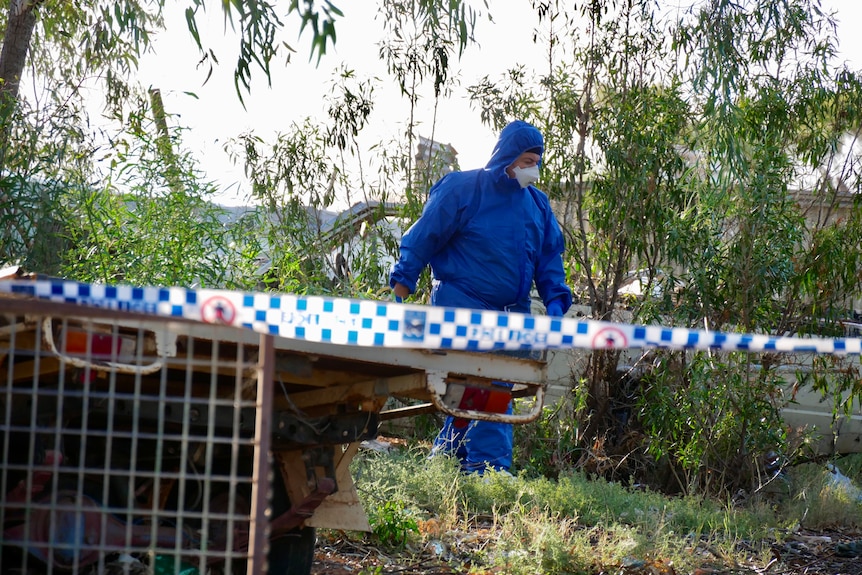
The NSW state coroner requested police launch a second investigation into Sonya Dutton’s death in October 2023. (ABC Broken Hill: Bill Ormonde)
The inquest heard from Detective Senior Constable Patrick Chew, who led the second investigation.
Mr Chew concluded while there was no evidence to suggest a homicide, there was also no evidence to exclude it.
24/7 services needed
The final two days of the inquest, held in Broken Hill, shifted their attention away from the circumstances of Ms Dutton’s death and centred around health services.
Victoria Hovane, a Ngarluma, Jaru and Gooniyandi psychologist with more than 40 years of experience working in various social welfare, justice, legal and research roles, spoke to the court.
Dr Hovane told the inquest it was her opinion there should be some kind of 24/7 crisis service based in Wilcannia.
“We’re not asking those workers to do the therapy,” she said.
“But it’s important to have workers and a service to be able to hold vulnerable, stressed people overnight.”
Dr Hovane said it was necessary to have a locally based service because the drive-in, drive-out and fly-in, fly-out method had limitations.
“Access can’t be built around when the next visit is,”
she said.
“The mental health model doesn’t necessarily fit for our people.”
Earlier in the inquest, the court heard of challenges Sonya had faced with mental health throughout her life, including thoughts of self-harm, but she was also described as “happy and normal” around the date of her death.
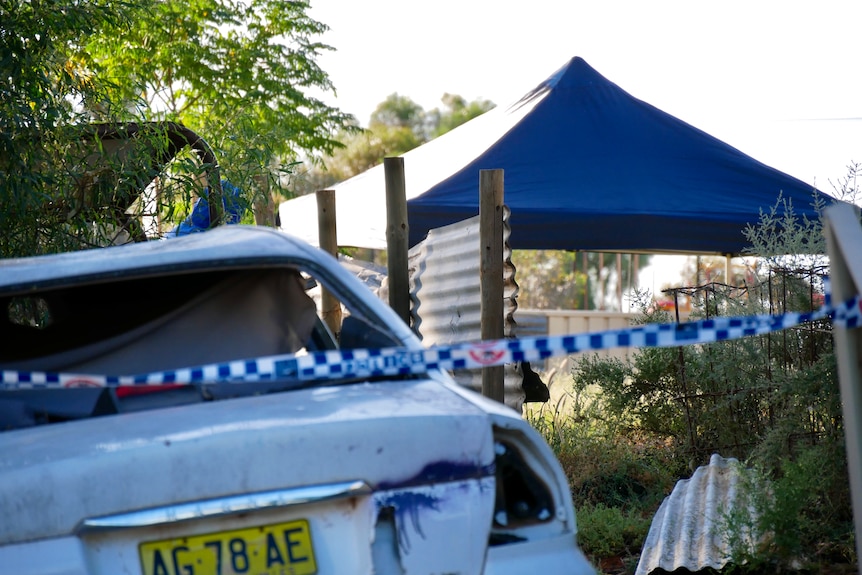
The inquest heard delivering acute mental health support in Wilcannia was challenging. (ABC News: Bill Ormonde)
The court heard from various health services, including the Royal Flying Doctors Service, Maari Ma Aboriginal Health Corporation, the Wilcannia Safe House and the Far West Local Health District.
Organisations spoke about challenges with the workforce, collaboration between services, and areas for improvement.
RFDS South-Eastern Section Chief Medical Officer Shannon Nott said inter-agency collaboration was crucial and needed to include the community.
“Mapping out and planning where there may be gaps and understanding each one’s challenges [is vital],” he said.
“It’s crucial for us to be able to address health challenges in Wilcannia.”
State Coroner Teresa O’Sullivan is yet to hand down her findings of the inquest, but it is expected next year.