For more than two decades, Rob Pennicott has taken visitors on boat tours of the D’Entrecasteaux Channel, the waterway between Bruny Island and mainland Tasmania.
The regular snorkeller loves to explore the area both above and below its surface, but he is alarmed by changes he has noticed.
“What I’ve seen over the past 25 years are major changes, and I’m really interested in true sustainability for future generations,” said Mr Pennicott, tourism operator and local.
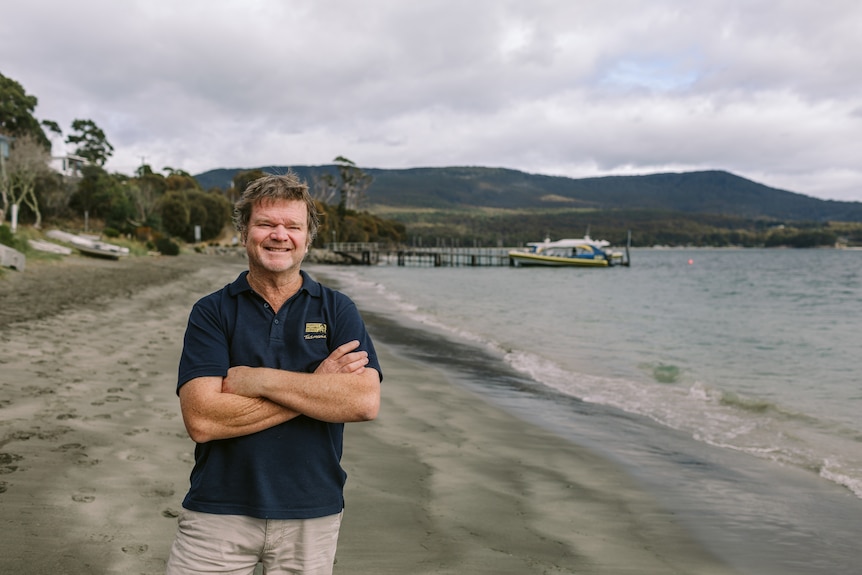
Robert Pennicott has been running tours since 1999 and says he is worried by changes to the underwater environment. (Supplied: Robert Pennicott)
He is so concerned that his philanthropic foundation has given $900,000 to scientists to take a look.
His observations have him worried — and he’s not alone.
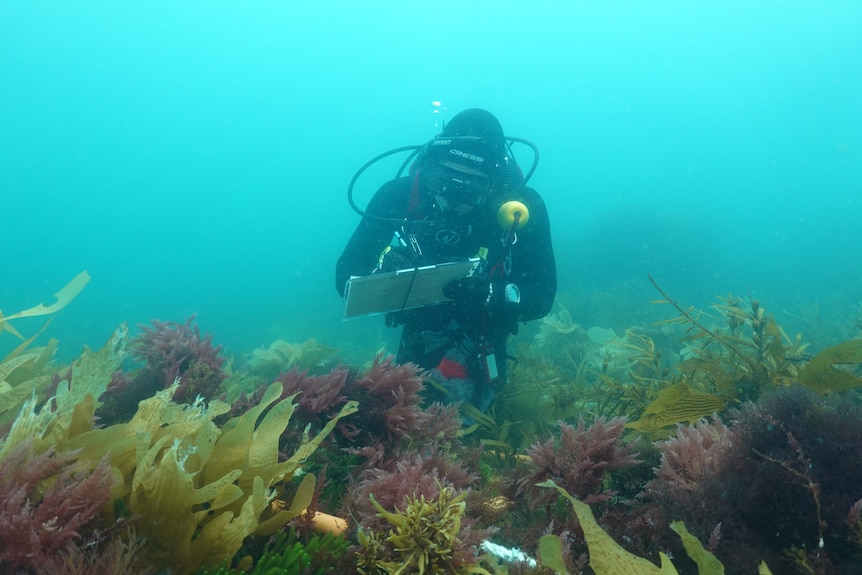
One researcher says without longer-term studies, it is “really hard to provide evidence to decision-makers”. (Supplied: IMAS)
Mr Pennicott said he was seeing fewer abalone and lobster and areas that appeared to be devoid of life.
“In a dead zone, I’m seeing very dark colour, very little life, areas with no abalone, no crayfish, the things you get used to seeing all the time just aren’t there, and there’s sludge as well in those areas,” Mr Pennicott said.
“My staff and I get very upset to be snorkelling in areas that really look dead.”
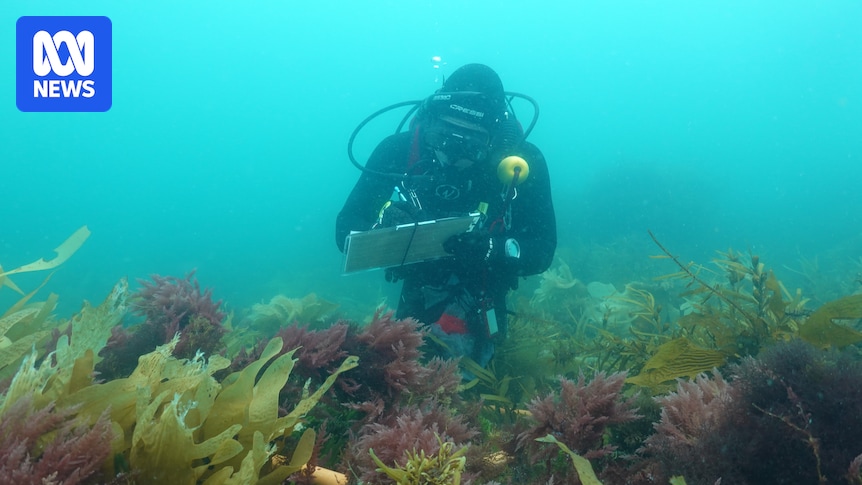
On this day, Mr Pennicott is a passenger on a research vessel, watching as scientists survey reefs in the channel with underwater cameras.
This is the study his organisation is funding.
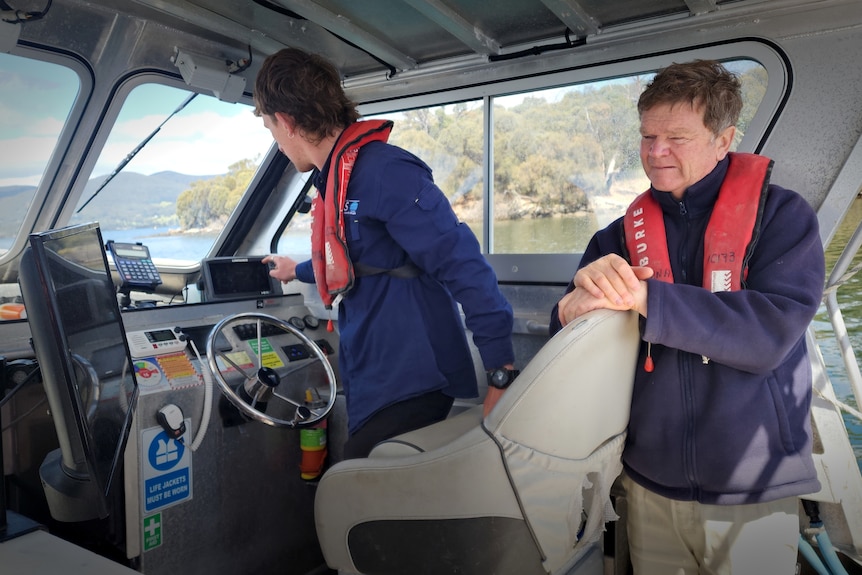
Rob Pennicott (right) out on the water with Sam Lemm, marine ecologist at IMAS, during a field trip at D’Entrecasteaux Channel. (ABC News: Owain Stia-James)
Mr Pennicott said changes to the channel were a regular topic of conversation among locals and colleagues.
Some people argue the shifts are natural, but others blame the salmon-farming industry in the channel.
Rob Pennicott is unsure and wants evidence.
“There are a lot of salmon farms. I’ve had meetings with salmon farms. They think it’s a good chance it’s agriculture and global warming,” he said.
“For me, it’s about finding the truth and then working with the truth to achieve better results.”
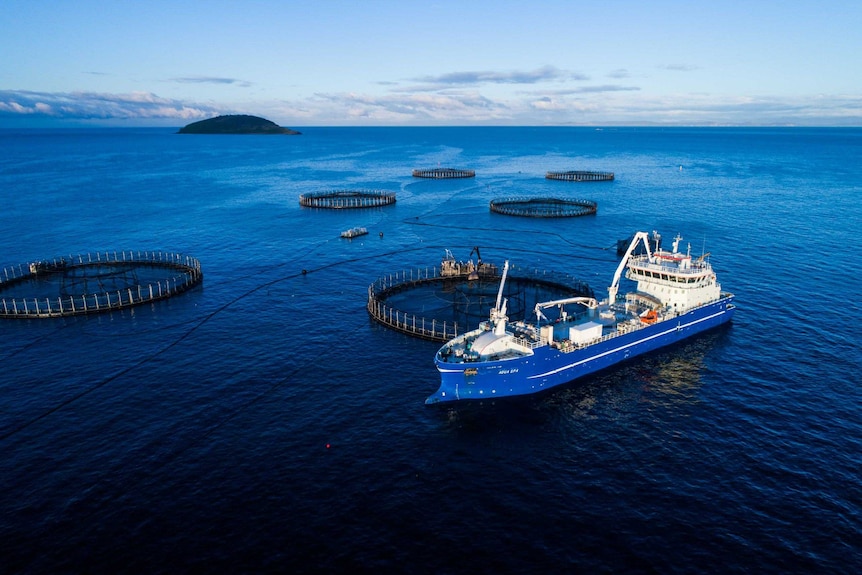
Tasmania’s salmon farming is most concentrated in the south-eastern waterways of the state. (Supplied: Tassal)
Jeff Ross, a senior scientist with the Institute for Marine and Antarctic Studies (IMAS), has worked on Macquarie Harbour and the D’Entrecasteaux Channel.
How many salmon farms are there in Tasmania — and who owns them?
He admitted that monitoring of the channel has not kept up with the expansion of salmon farms down the waterway.
“For some of those habitats, like rocky reefs, as the industry expanded, monitoring hasn’t kept up. There’s certainly info on rocky reefs, but we’ve never had the opportunity to provide this really holistic systematic approach,” Professor Ross said.
“It’s really hard to provide evidence to decision makers without baseline studies.
“That’s one of the big lessons we learned at Macquarie Harbour.
“We didn’t understand enough about that system before the industry [salmon] expanded, and now we’re … having to deal with those consequences,” he said.
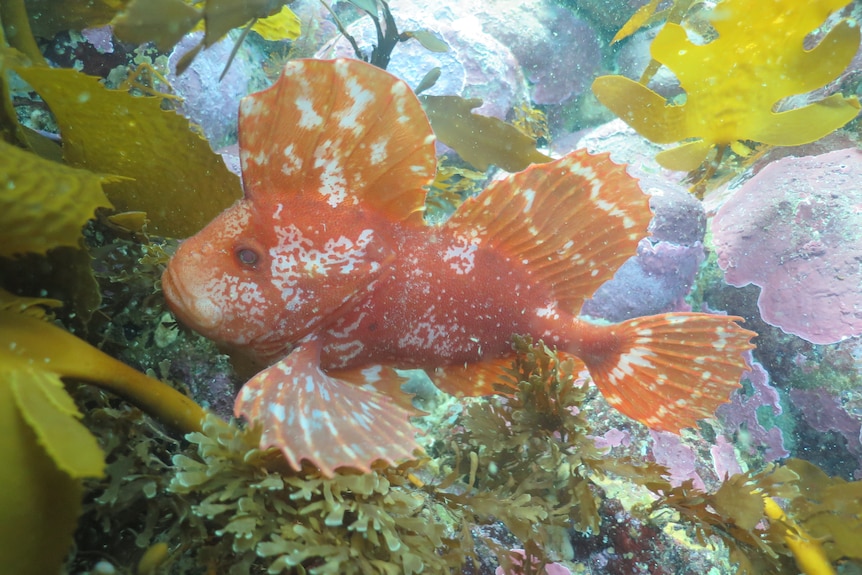
A red velvet fish, seen as part of the study at the D’Entrecasteaux Channel.
(Supplied: IMAS)
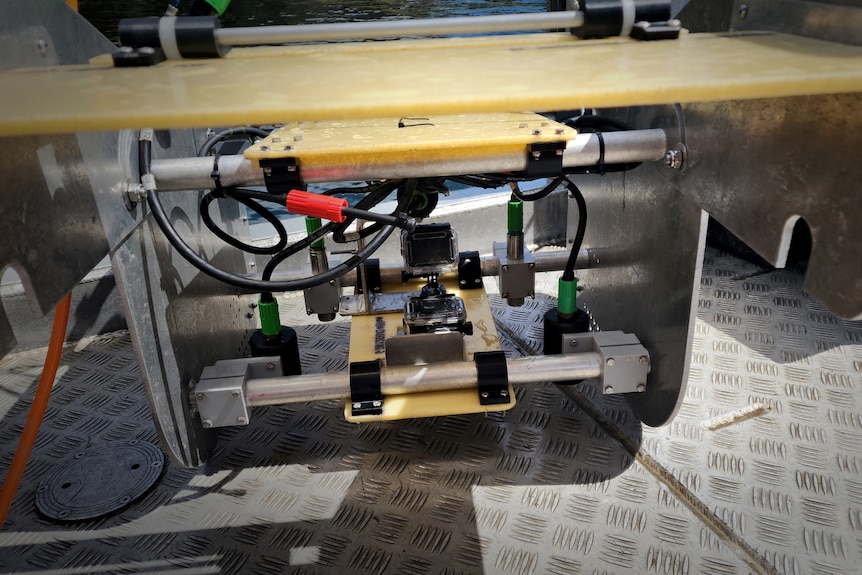
An underwater camera gear rig used to monitor rocky reefs in the D’Entrecasteaux Channel. (ABC News: Fiona Breen)
The money will fund a five-year study, which is already underway, with divers to survey reefs across the waterway.
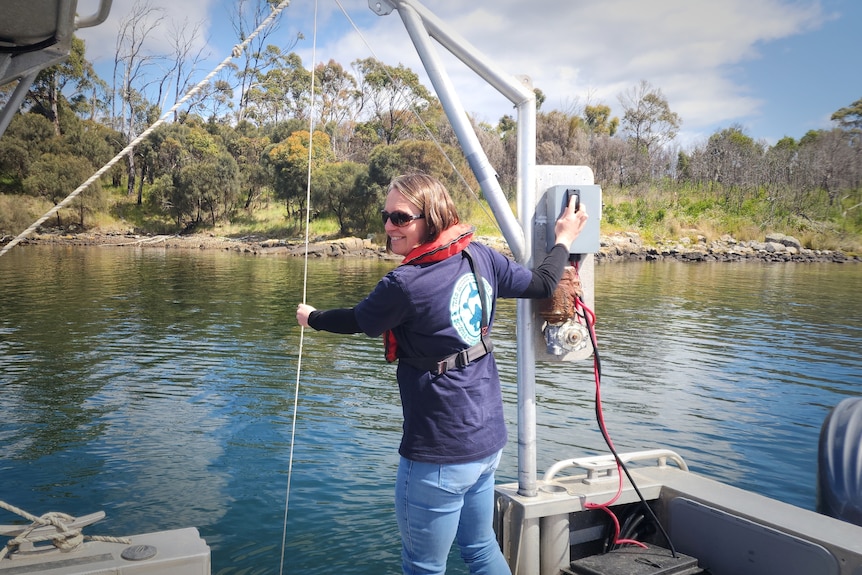
Camille White says “people complain … ‘We didn’t see any of this 20 years ago.'” She is keen to find answers. (ABC News: Owain Stia-James)
Scientists are happy private money has stepped in where the state government has been reluctant to go.
“Long-term money is generally underfunded, and that’s Australia-wide, not just in Tasmania, so a generous donation is allowing us to make a sustained long-term effort in the channel,” team leader Camille White said.
The study will cover a much larger area than other monitoring programs.
It’s early days, but already the team has filmed a mix of healthy reefs and dead zones.
As Mr Pennicott watches, their underwater cameras also inadvertently drag up bright green algae, a weed that locals and scientists alike are talking about.
“It’s the one people complain about a lot, that’s where you get the stories, ‘We didn’t see any of this 20 years ago,'” Dr White said.
“It will be good to put it all together and see what’s happening.”
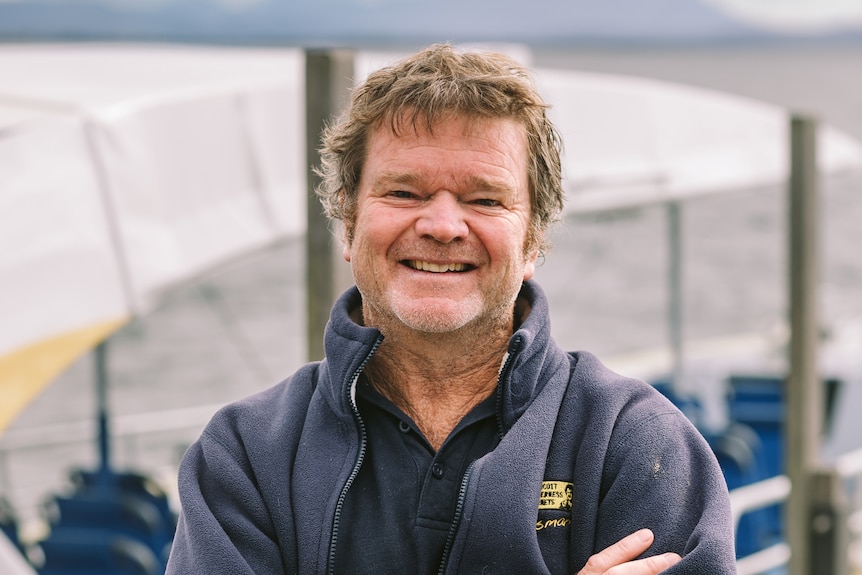
Robert Pennicott has put his money towards the search for answers. (Supplied: Robert Pennicott)
For Rob Pennicott, it’s an important start.
He is hopeful the research will help answer some questions, once and for all, and help protect a treasured waterway.