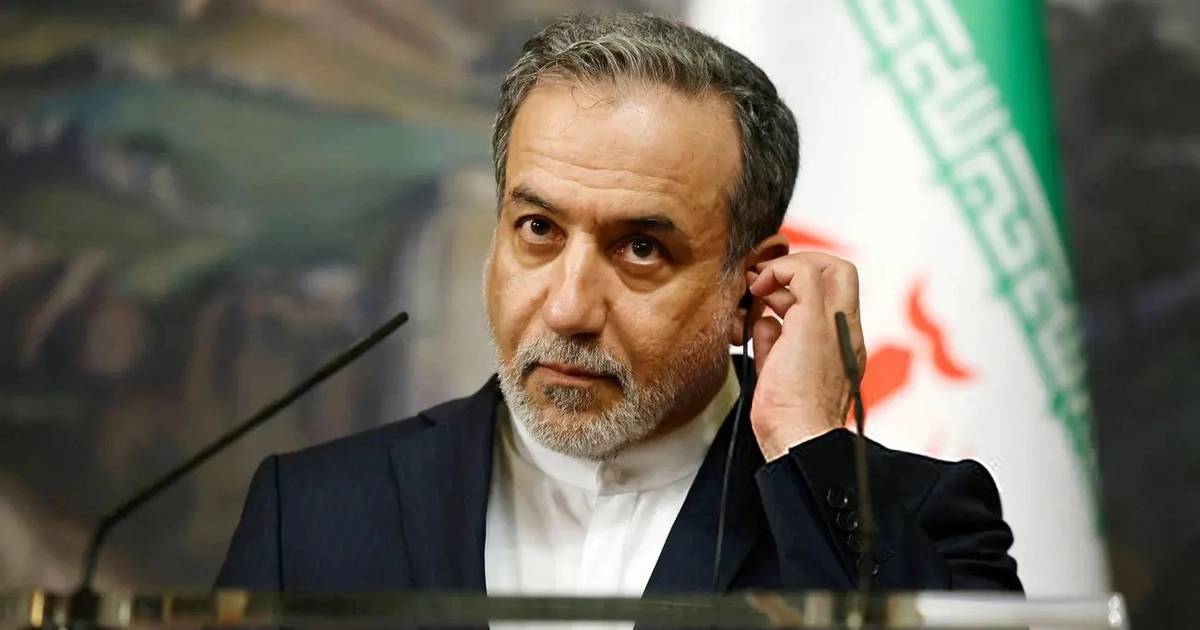
“The simplest task is to build a nuclear bomb, because it does not need fuel control and explodes at once,” Behrouz Kamalvandi said on Saturday, calling it much simpler than developing a nuclear power plant.
“Building a nuclear power plant, which needs control of fuel and reaction levels, is difficult and technical.”
Kamalvandi said Iran has reached “the edge of power in the nuclear field, and there is no unknown issue left for us.”
Before a 12-day war in June that culminated in US airstrikes on three Iranian nuclear facilities and paused any uranium enrichment in Iran, the country was enriching uranium to near weapons-grade purity levels.
While Tehran denies seeking a nuclear weapon, the United States and Western countries want Iran to end uranium enrichment, arguing that enrichment beyond 20% has no civilian purpose.
UN inspections
The UN nuclear watchdog has resumed inspection activities in Iran but remains unable to access several of the country’s most sensitive nuclear sites following June strikes, International Atomic Energy Agency (IAEA) Director General Rafael Grossi said last week.
“We are only allowed to access sites that were not hit,” he said, calling the resumption important but insufficient.
Grossi said Iran cannot unilaterally decide whether inspectors may enter the damaged facilities.
“If they say it is unsafe and inspectors cannot go there, then inspectors must be allowed to confirm that this is indeed the case,” Grossi said in an interview with Russian state media. “That determination has to be made by the agency.”
 IAEA Chief Rafael Grossi
Kamalvandi, however, says the UN nuclear watchdog’s requests are unreasonable.
“The agency’s insistence that access and inspections take place strictly under a safeguards agreement written for non-war conditions is unreasonable,” he said.
Kamalvandi said Iran believes the current safeguards framework cannot be applied in the same way after military attacks.
“This framework was written for ordinary circumstances,” he said. “When nuclear facilities and materials are damaged in a military attack, the conditions are different.”
He said granting access to Natanz, Fordow and Isfahan while security threats persist could endanger Iran, and added that Tehran is considering other ways to account for nuclear material without inspectors entering the sites.
The standoff follows the June war that began with Israeli strikes on June 13 on nuclear facilities, senior military figures and nuclear scientists, followed by the US attacks on June 22.
Grossi said the three sites at Natanz, Fordow and Isfahan bombed by the US are central to uranium processing, conversion and enrichment, but stressed that Iran’s nuclear program extends well beyond them.
“Iran has much more than these three facilities,” he said. “It has a very developed nuclear program, with research activities and many other sites.”
He cited Iran’s operating nuclear power plant at Bushehr and plans for additional reactors, including projects with Russia, adding: “Work continues in all these areas.”
The IAEA has long sought answers from Iran over past nuclear activities and the whereabouts of undeclared nuclear material, issues Grossi has said cannot be resolved without access to relevant sites.