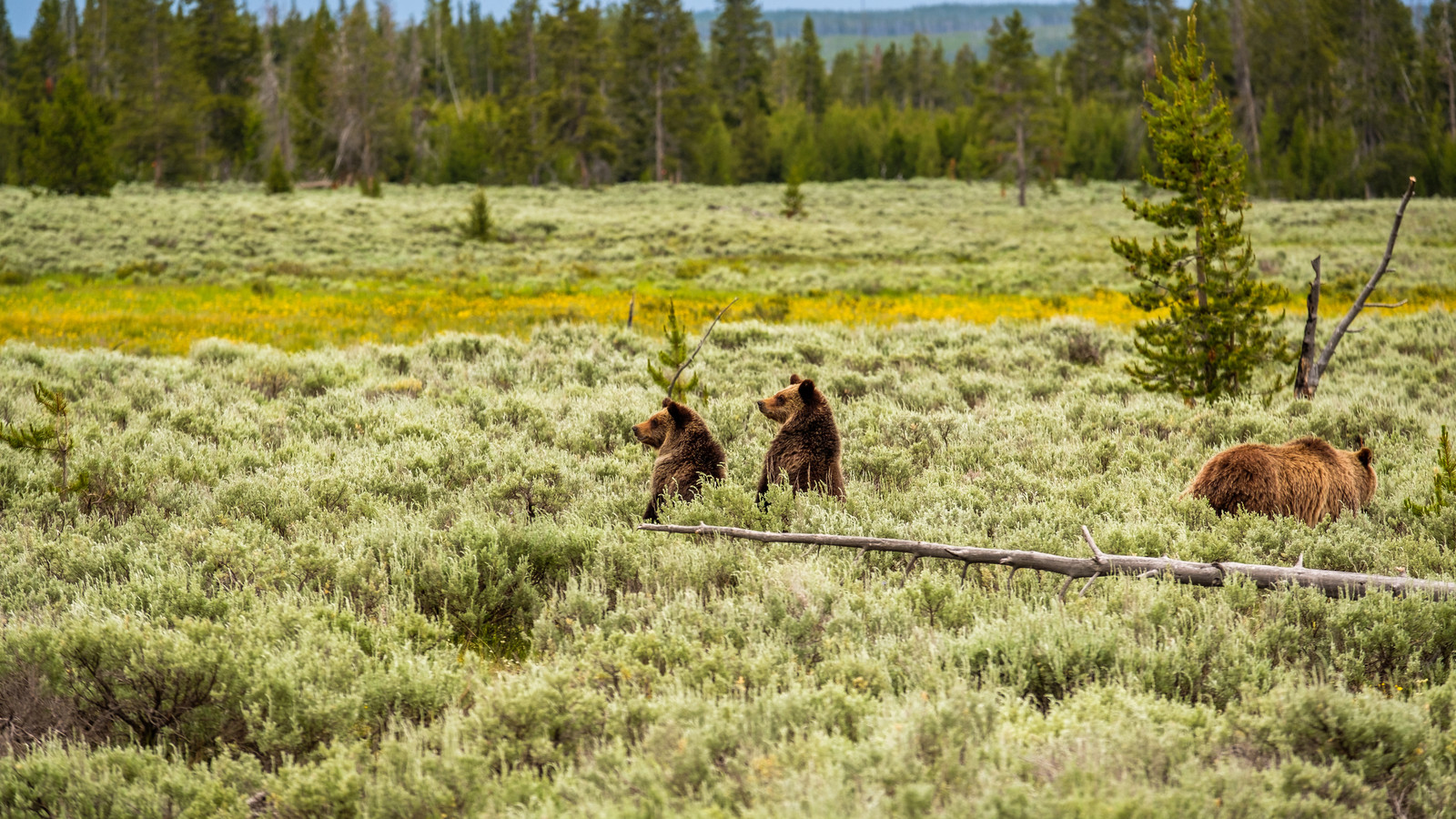
Around 16,000 acres on the border of Yellowstone National Park will be greatly affected by the planned forest treatment project in the Custer Gallatin National Forest, called the South Plateau Landscape Area Treatment Project by the U.S. Forest Service, U.S. Fish and Wildlife Service, and a logging company in Montana. But a district court has just halted the project, as it might “eviscerate secure habitat” for bears and Canada lynx.
In a 46-page court order filed on December 11, U.S. District Court Judge Donald Molloy contested the project, calling it “arbitrary and capricious,” as the Forest Service failed to consider the possibility of destroying wildlife habitat in the undetermined location of the “56.8 miles of temporary roads” associated with the project.
Thus, the Forest Service failed to comply with the National Environmental Policy Act, the National Forest Management Act, and the Endangered Species Act.
Court Halts Logging Project Near Yellowstone National Park
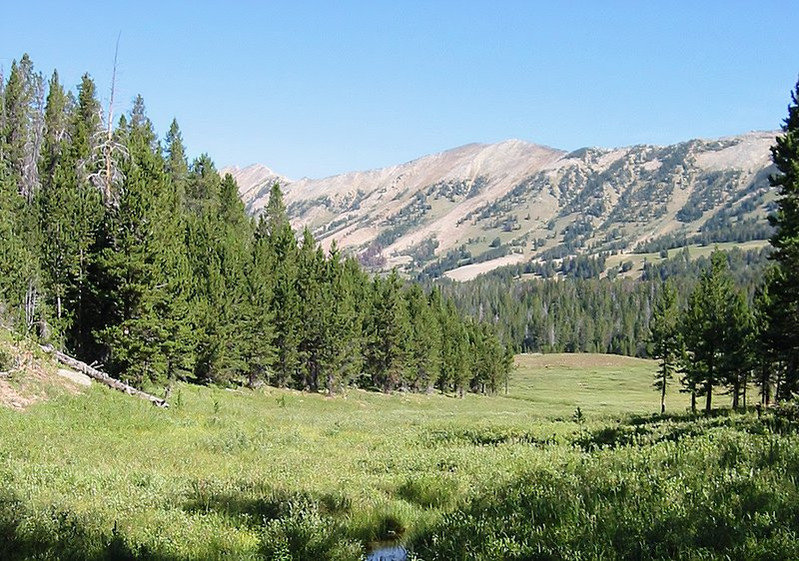
Custer-Gallatin National Forest, MontanaCredit: Public domain / Wikimedia Commons
In 2023, conservation groups Center for Biological Diversity, Alliance for the Wild Rockies, and Council on Wildlife and Fish, as well as the Gallatin Wildlife Association, Native Ecosystems Council, and WildEarth Guardians sued the U.S. Forest Service, the United States Fish and Wildlife Service, and Sun Mountain Lumber over the 40,000 acres of the “South Plateau Landscape Area Treatment Project.”
According to the Montana Free Press, the project, across 40,000 acres just north of Yellowstone National Park, is dominated by lodgepole pines that are vulnerable to die-offs due to the mountain pine beetle infestation.
This project is within the Custer Gallatin National Forest, and the logging project covers around 16,500 acres on the western border of Yellowstone National Park.
Mike Garrity, Executive Director of the Alliance for the Wild Rockies, said that the court’s decision protects “one of the most important wildlife corridors in the Greater Yellowstone Ecosystems” and these “agencies must now go back and do the rigorous, science-based analysis the law requires.”
Feds Failed To Determine The Locations Of The Planned Temporary Roads
Judge Molloy also reiterated that the South Plateau Project’s condition-based management approach is controversial and is being challenged by the conservation groups, as it failed to determine the exact location of the 56.8 miles of temporary roads.
“Consistent with this approach, the Forest Service “has identified areas as preliminarily suitable for treatment actions” within the Project area without identifying the precise location and size of the treatment units or the location and configuration of associated roads,” reads the 46-page court order.
The condition-based management involved developing treatments based on pre-identified management requirements, but it has not yet identified or has delayed in identifying the specifics as to which treatments will be utilized in particular locations associated with the project.
What’s In The South Plateau Project On The Border Of Yellowstone National Park?
According to the Forest Service, the South Plateau Landscape Area Treatment Project, or simply the South Plateau Project, is to help reduce the risk of fire incidents, improve forest health, and “increase landscape resilience to insects and disease, treat hazardous fuels, and contribute to a sustained yield of timber products.”
The project, which will be located in the Hebgen Lake Ranger District of the Custer Gallatin National Forest, involves around 5,550 acres of clear-cutting old-growth timber, 6,500 acres of thinning, and 57 miles of road construction through a lot of mature forests across a 40,000-acre area, bordering Yellowstone National Park, the world’s finest and oldest national park.
South Plateau Landscape Area Treatment Project
Year Introduced:
2020
Year Approved:
2023
Location:
Hebgen Lake Ranger District, Custer Gallatin National Forest
Project Activity:
Road Decommissioning; Fuel Treatments (Non-Activity Fuels); Forest Vegetation Improvements; Road Maintenance; Road Improvements/Construction; Timber Sales (Salvage); Timber Sales (Green)
Date Challenged By Conservation Groups:
September 2023
Date Halted By The Court:
December 11, 2025
The U.S. Forest Service said that there should be no significant impact on the ecosystem surrounding the area of this project, but it will instead help increase forest health and resilience to threats, such as insect infestations, and reduce hazardous fuels, which contribute to severe wildfires.
But as the conservation groups said, the feds failed to specifically identify the locations of the roads to be constructed, which will put wildlife habitats, particularly lynxes and grizzlies, in Yellowstone National Park.
Matthew Bishop, Senior Attorney at the Western Environmental Law Center, said in a press release that the U.S. government agencies “played too fast and loose with the law and the science,” by “failing to inform the public about where over 58 miles of new roads would be located.”
“This project proposed new clearcuts and more roads in an especially vulnerable and problematic area for Yellowstone grizzly bears and did so without specifying the location of the roads and without applying the best science on the habitat needs of bears,” said Matthew Bishop.
The U.S. Forest Service did not comment on the judge’s order, blocking the South Plateau Project, but conservation groups consider the ruling a huge step towards wildlife protection in the Greater Yellowstone.
TheTravel has reached out to the Center for Biological Diversity for comments. We will update this article as soon as we receive a response.