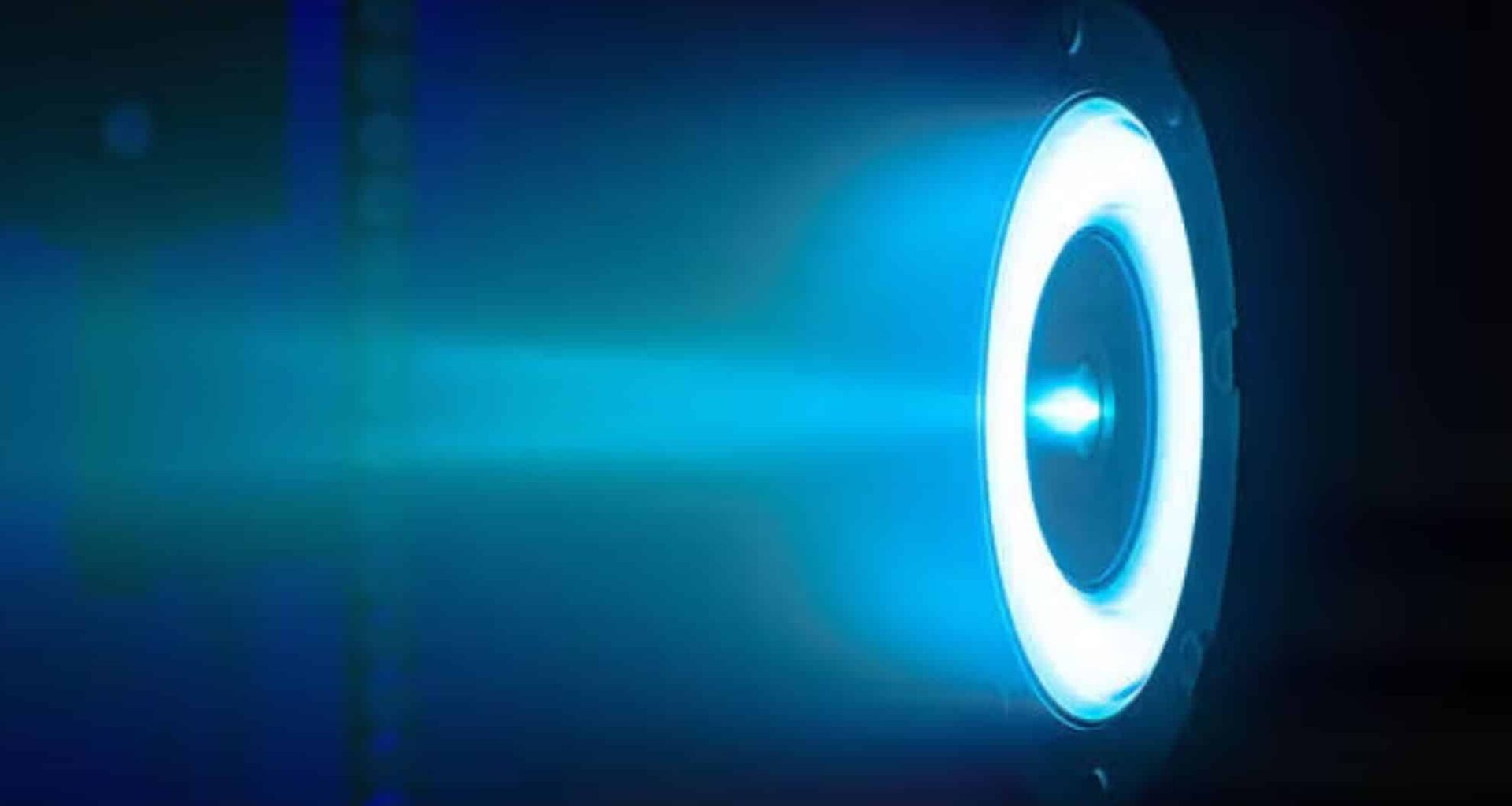
The electric engines, part of the Advanced Electric Propulsion System (AEPS), completed hot-fire testing at NASA’s Glenn Research Center earlier this year and are now cleared for integration into the Power and Propulsion Element (PPE) of the station. The AEPS represents a leap in space propulsion capabilities and plays a key role in the Artemis IV mission, NASA’s next step in establishing a human presence around the Moon.
This delivery marks a milestone for long-duration missions, which rely on efficient propulsion systems. Unlike traditional chemical engines, the new electric thrusters use a fraction of the fuel, allowing spacecraft to operate longer and travel farther. Gateway, once fully operational, will serve as a staging post for astronauts heading to the lunar surface and beyond.
Breakthrough for In-Space Propulsion
The AEPS units developed by L3Harris aren’t just powerful, they’re historic. Each of the three thrusters provides 12 kilowatts of power, making them more than twice as strong as current in-space electric propulsion systems. According to L3Harris Technologies, the AEPS will be the most powerful electric propulsion system ever flown in space. This technology will allow NASA to slowly but steadily build up momentum for spacecraft, reaching high speeds with much less fuel.
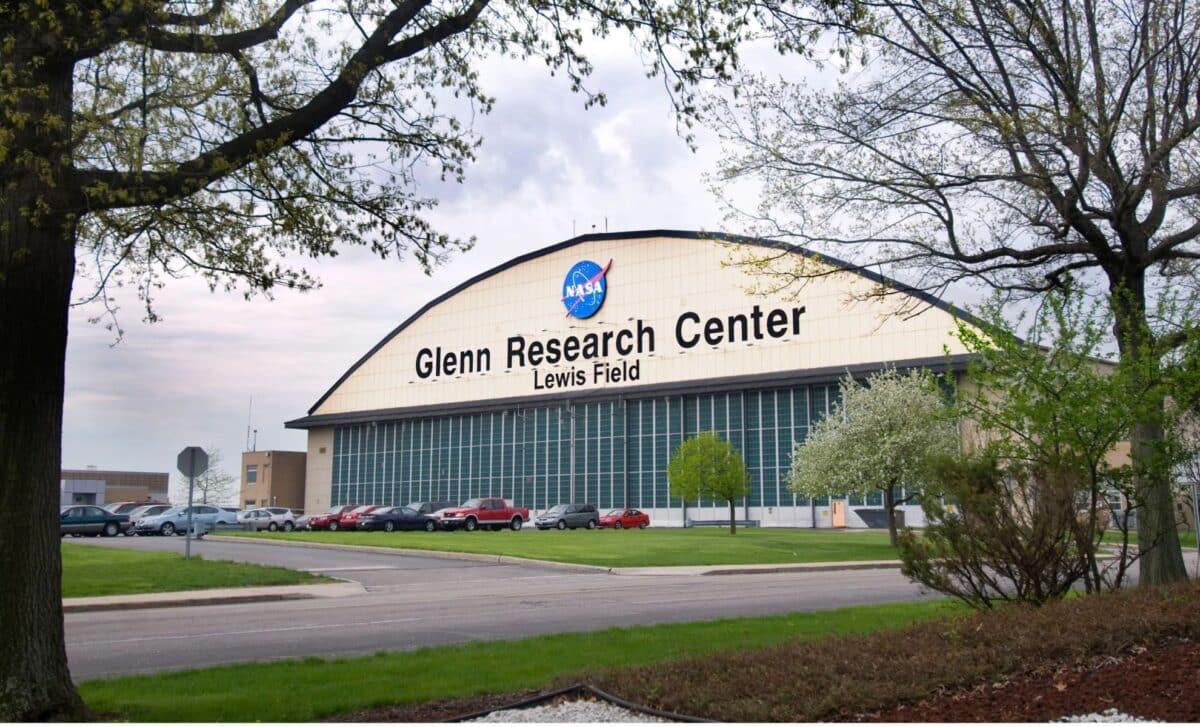 NASA’s Glenn Research Center in Cleveland. ©NASA
Hot-fire tests at NASA’s Glenn Research Center in Cleveland, Ohio, and vibration tests at L3Harris’ Redmond facility confirmed the thrusters are ready for deep space duty. The completed units are now ready for installation on the PPE module of the Gateway. According to NASA, the thrusters will help deliver and maintain Gateway’s orbit around the Moon, serving as a platform for lunar exploration.
Built for the Gateway—And Much More
While these engines are destined for lunar orbit, their potential goes far beyond that. Kristin Houston, President of Space Propulsion and Power Systems at Aerojet Rocketdyne, a part of L3Harris, noted the fuel efficiency of electric propulsion is a game-changer. She stated that these thrusters “offer significantly higher fuel efficiency over conventional chemical propulsion systems, making them ideal for Gateway and other long-duration missions.”
More importantly, Houston added that AEPS could be paired with nuclear power sources, paving the way for entirely new classes of missions, like robotic exploration of Jupiter and its moons, or even transporting large cargo to Mars. This opens the door for heavier payloads and longer journeys, which are usually limited by the mass and volume of chemical fuel.
Artemis Missions Hinge on Gateway’s Success
The Gateway station is a crucial part of NASA’s Artemis program, aimed at returning humans to the Moon and eventually heading to Mars. The small outpost will orbit the Moon and serve as a hub for science, crew transfers, and logistics. Two pressurized modules aboard Gateway will allow astronauts to live, work, eat, and rest as they prepare for lunar surface operations.
According to NASA, the Gateway will also support scientific missions in lunar orbit and serve as a testbed for future deep space exploration. The station is being built in collaboration with commercial and international partners, creating a sustainable platform for humanity’s return to the Moon. As new thrusters push Gateway closer to operation, NASA’s long-term vision for space exploration is coming into focus. These advances are more than technical achievements—they’re the engines behind the next era of discovery.