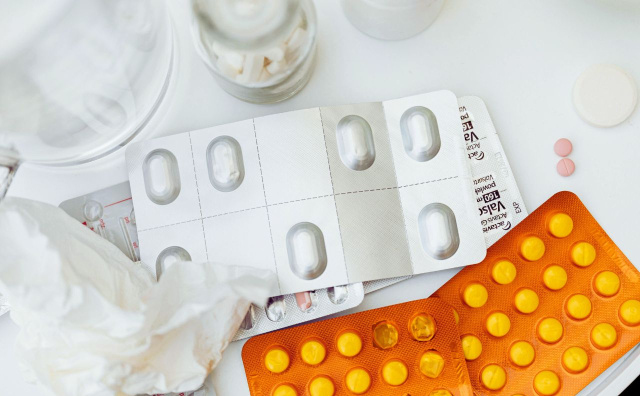
A noticeable and sustained rise in the prices of a number of medicines has been observed over the past several months, according to pharmacists and patients. The data indicates that this is not an isolated adjustment, but a continuing trend. The steepest increases affect medicines reimbursed through the National Health Insurance Fund, hitting patients directly through higher co-payments.
Industry representatives stress that the price hikes are not linked to the introduction of the euro. Instead, they point to insufficient control over manufacturers’ pricing policies. The increases apply to both prescription drugs and medicines sold without a prescription.
Milcho Bagashki says he previously paid around 20 to 21 leva (€10.23–€10.74) for his blood pressure medication. “This month it went up to 34–35 leva (€17.38–€17.90). I take medicines for blood pressure, heart problems and diabetes, so the difference is extremely serious,” he told Bulgarian National Television.
According to Konstantin Kachulev, head of the Regional Pharmaceutical College in Blagoevgrad, there are cases where prices have doubled or even tripled. “Medicines that used to cost between 5 and 10 leva (€2.56–€5.11) are now selling for 20 to 25 leva (€10.23–€12.78),” he said.
The effect is most strongly felt with medicines prescribed under the Health Insurance Fund, where the reimbursed amount remains unchanged while retail prices rise. Kachulev explained the mechanism with an example: “If a medicine costs 12 leva (€6.14) and the fund covers 10 leva (€5.11), the patient pays 2 leva (€1.02). If the manufacturer raises the price and it reaches 25 leva (€12.78), the fund still pays 10 leva, but the patient’s share jumps to 15 leva (€7.67).”
The Medicines Agency has clarified that over-the-counter drugs are not subject to state-imposed prices. Manufacturers propose a price, which the state only registers, without setting or capping it. Oversight is limited to checking whether the regulated mark-ups are respected, not whether the base price set by the producer is justified.
For medicines reimbursed by the Health Insurance Fund, the state determines the reference price by comparing the cost of the same product in ten other countries and applying the lowest one. Despite this, many patients say they are already being forced to prioritise which treatments they can afford.
Stoycho Georgiev says he spends between 90 and 100 leva (€46.03–€51.13) on medicines. “It’s extremely expensive and not even enough for a full month – there are only 20 pills and I take two a day. There have to be alternatives, because this is unsustainable,” he said.
Kachulev gave another example from his practice: a patient recently could not afford all the medicines on his prescription. “Out of three drugs, he chose to buy only the antibiotic. That was the right decision – it was the most essential one,” he noted.
In an attempt to limit sudden price spikes, the Ministry of Health introduced a new restriction this year. Pharmaceutical companies are now allowed to request a price increase no earlier than one year after the previous approval. Even then, any increase is capped either at the level of official inflation or at the lowest price of the same medicine in the designated reference countries.