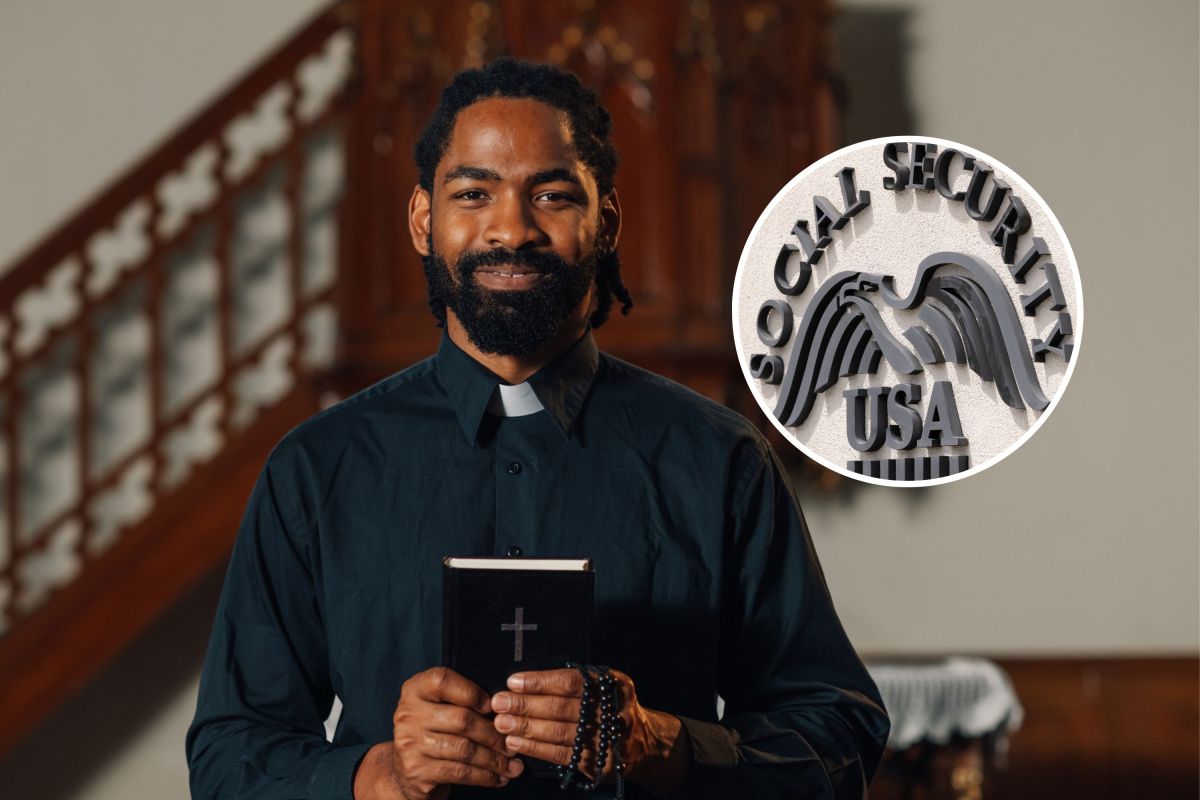
A recently proposed law would allow some Americans to opt back into Social Security after originally declining to take part in the social safety net program.
Clergy members routinely choose not to take part in Social Security or Medicare programs and have historically been unable to undo this decision even years later. However, a new bill seeks to change this.
Why It Matters
More than 70 million Americans receive Social Security benefits monthly, and this often is a key source of income to help keep them afloat during retirement or as they face disability.
Clergy members being able to opt back into the program could provide massive benefits to the group, but could also have ramifications for the impending funding gap the SSA will hit as early as the start of the 2030s.
What To Know
The Clergy Act, originally introduced in January of this year, would establish a two-year window for certain members of the clergy and Christian Science practitioners to revoke their exemption from Social Security and Medicare taxes on ministerial earnings.
Under the current law, those who object to participation in public insurance programs on religious grounds can apply to the Internal Revenue Service (IRS) for an irrevocable exemption and will not receive Social Security or Medicare benefits in retirement unless they have qualifying credits from other employment.
The IRS must develop a plan to inform members of the clergy and Christian Science practitioners of their eligibility to revoke prior exemptions, pursuant to the bill’s changes.
California Republican Representative Vince Fong sponsored it alongside Democratic Representative Mike Thompson and said the bill is “empowering them to take greater control of their financial future.”
“A lot of pastors decades ago often got inaccurate advice. They opted out of Social Security,” Fong said, as reported by the Sacramento Bee. “Years later as they’re planning retirement they realized that they did not have financial security that they would have had if they were participating.”
While the clergy members who opt out do not pay Social Security taxes, they have to meet the usual 10-year contribution requirement if they do choose to benefit from the program.
“This bill would allow clergy members to opt into Social Security and Medicare, provided they meet contribution requirements such as earning sufficient work credits. Clergy already receive unique benefits, including favorable tax treatment and housing allowances that most Americans do not,” Kevin Thompson, the CEO of 9i Capital Group and the host of the 9innings podcast, told Newsweek.
“Because Social Security is a pay-as-you-go system, any benefits paid would be funded by the clergy members’ own contributions. If all eligibility rules are met, this change is largely neutral to the system and does not materially alter the broader funding equation.”
What People Are Saying
Kevin Thompson, the CEO of 9i Capital Group and the host of the 9innings podcast, told Newsweek: “Whether it passes is an open question. The larger issue isn’t the legislation itself, but participation. The real strain on Social Security comes from longevity, not from expanding opt-in eligibility. Even if the bill becomes law, it remains to be seen whether clergy would actually change their long-standing position and choose to participate in Social Security benefits.”
Alex Beene, a financial literacy instructor for the University of Tennessee at Martin, told Newsweek: “While knowledge of clergy members being able to opt out of Social Security may be widespread, some Americans may not realize once they opt out, they can’t legally opt back in. New proposals are gaining bipartisan support to reverse this rule and could be adopted in the near future. The change if implemented would be a true benefit for those who desire to reverse their original decision, and if they do, this change would still meet the requirements current beneficiaries have to abide by.”
What Happens Next
So far, the new bill has been approved by the House Ways and Means Committee, and the House is anticipated to consider the bill in January.
However, there could be looming implications for the SSA’s funding shortfall, scheduled to hit around 2033. At this point, the SSA would only have enough money to pay around 80 percent of owed benefits if nothing changes.