CHICAGO — The Supreme Court ruled against President Donald Trump on Tuesday by refusing to lift an order blocking National Guard deployment in Illinois.
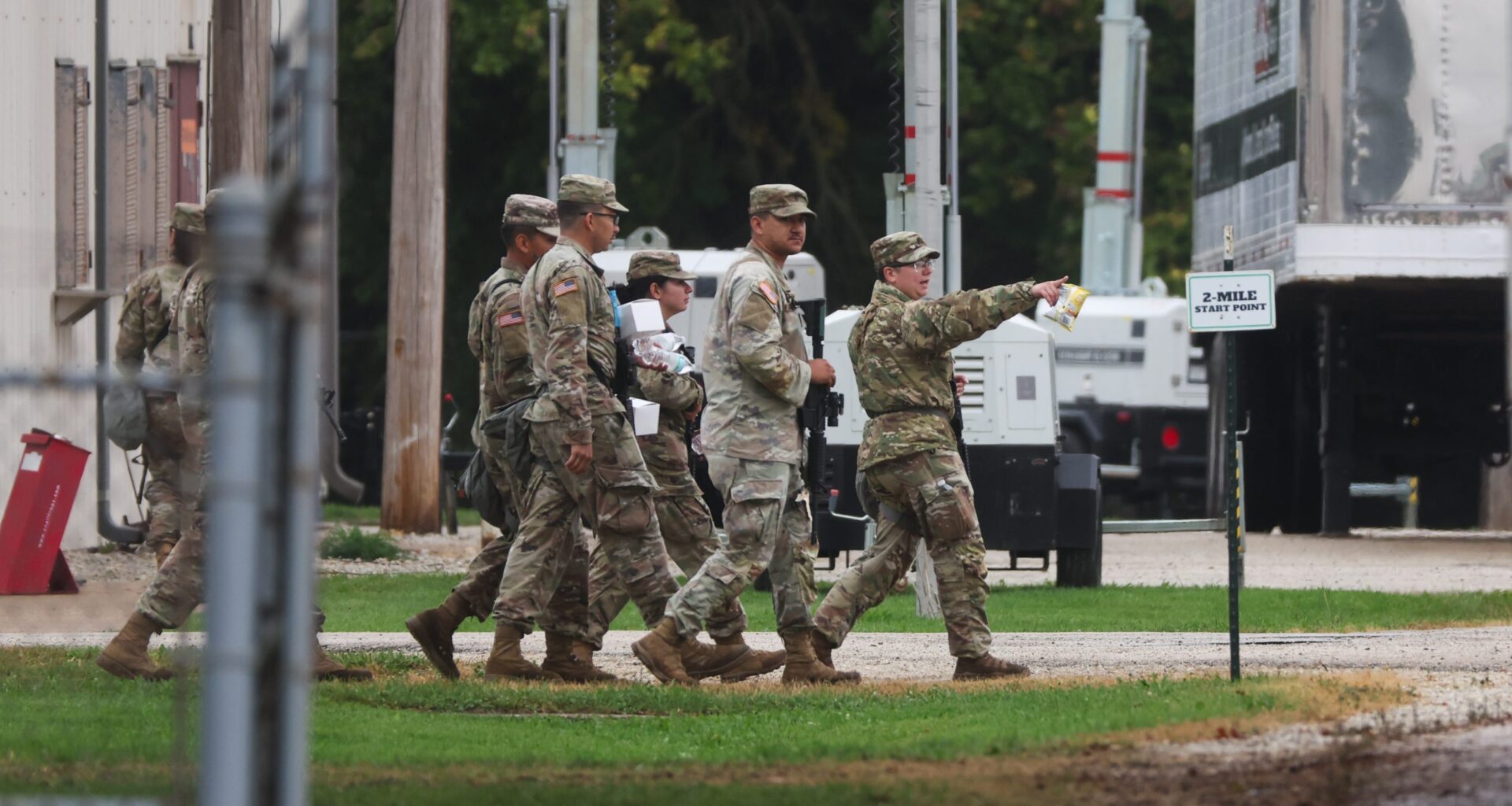
In October, the federal government announced plans to mobilize 700 National Guard troops in Illinois, including 200 troops from Texas who were brought to the area. Federal officials said the troops would “protect” ICE agents and its facilities in Illinois amid its Operation Midway Blitz and ongoing protests of the operation.
That same month, U.S. District Judge April Perry ruled that the federal government did not meet the burden needed to send the National Guard into Illinois and issued a temporary restraining order blocking the mobilization of those troops. In an unsigned order released Tuesday, the Supreme Court denied the Trump administration’s request to freeze the order.
The Supreme Court ruling states the president can only federalize the National Guard in “exceptional” circumstances, which the Trump administration has not yet met or demonstrated.
“At this preliminary stage, the government has failed to identify a source of authority that would allow the military to execute the laws in Illinois,” the court wrote.
Conservative Justices Samuel Alito, Clarence Thomas and Neil Gorsuch dissented from the opinion. Alito wrote that “injuries, threats, vandalism and harassment” directed toward immigration agents in Chicago have “significantly impaired efforts to execute the laws.” He also said local police departments have “provided insufficient assistance.”
In ruling against Trump, the Supreme Court sided with the state of Illinois and others who brought the suit challenging the deployment of National Guard troops locally. Local officials have repeatedly said they do not want or need the National Guard deployed in the area.
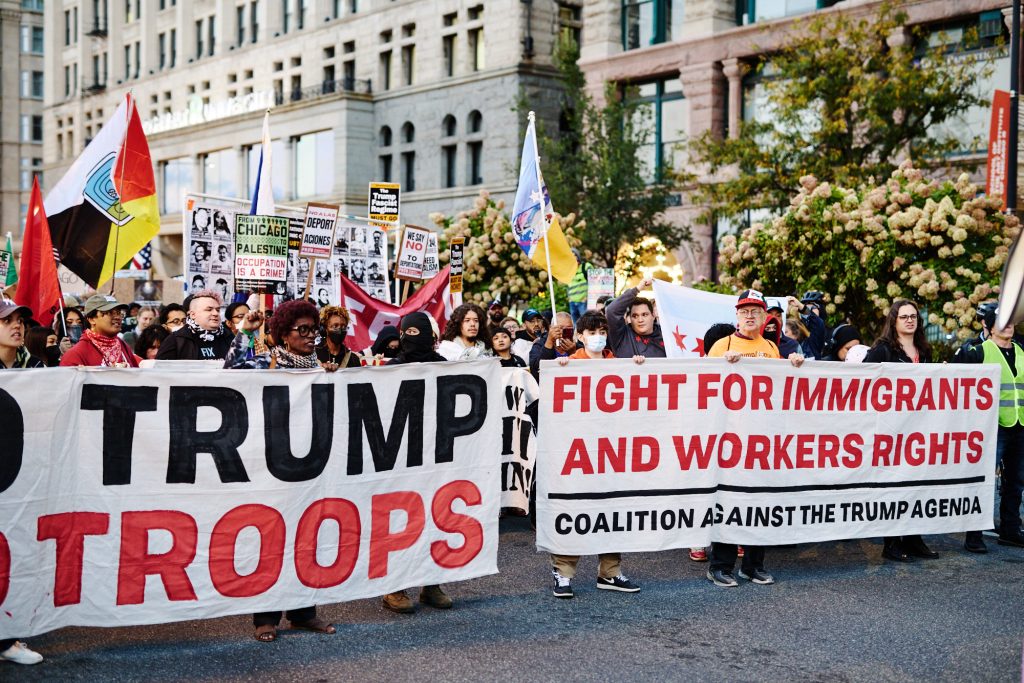 Protestors demonstrating against ICE and the National Guard deployment gather in Downtown on Oct. 8, 2025. Credit: Mustafa Hussain for Block Club Chicago
Though troops from Texas and Illinois were federalized, and the troops from Texas stationed at a military installation outside Joliet, the troops were never deployed in the Chicago area. Members of the Texas National Guard left the area in November.
Thousands of Chicagoans marched in the streets to protest the troop mobilization to Chicago.
In a statement Tuesday, Mayor Brandon Johnson said he was “encouraged” by the high court’s decision.
“This decision doesn’t just protect Chicago — but protect[s] cities around the country who have been threatened by Trump’s campaign against immigrants and Democratic-led cities,” Johnson said.
Gov. JB Pritzker called the decision “a big win for Illinois and American Democracy.”
“While we welcome this ruling, we also are clear-eyed that the Trump Administration’s pursuit for unchecked power is continuing across the country. Illinois will remain vigilant, defend the rights of our people, and stand up to further abuses of authority by Donald Trump and his cronies,” Pritzker said in a statement.
The White House did not immediately respond to a request for comment. A White House spokesperson told Reuters the Trump administration “promised the American people he would work tirelessly to enforce our immigration laws and protect federal personnel from violent rioters” and that “(n)othing in today’s ruling detracts from that core agenda.”
Listen to the Block Club Chicago podcast: