Welcome to Stomping Ground – a space where Stompers share reflections, personal essays and social commentaries that spark conversation and insight.
A student has raised concerns with the Ministry of Education (MOE) over the upcoming smartwatch and smartphone ban set to take place in Jan 2026.
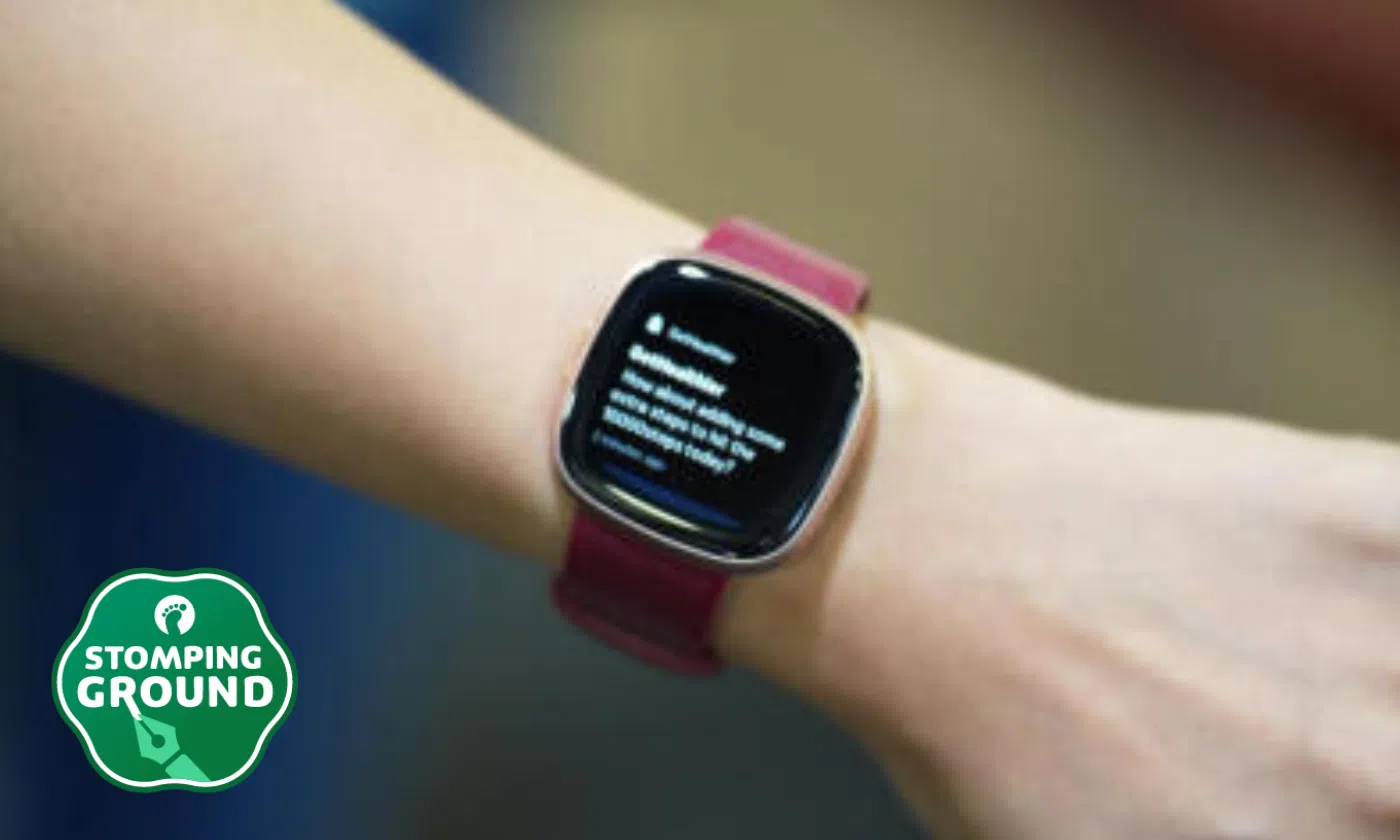
Stomper Straw said he felt strongly about the policy as many smartwatches today also function as fitness and health trackers.
His views echo sentiments raised in a Stomp article earlier this month, where students and teachers questioned the effectiveness of MOE’s stricter smartphone and smartwatch rules, with some calling the policy “draconian” and “backward”.
“The 2026 policy prohibiting smartwatches and health trackers in secondary schools worries me,” Anonymous said.
“While it makes sense to reduce screen time and distractions, this general prohibition does not differentiate between wearables that track time, steps, heart rate or health data, and full smartphones.”
He added that many students use basic watches or fitness trackers not for social media or messaging, but to monitor their health, fitness and sleep, as well as to participate in activity challenges.
“It is too general and harsh to classify all wearables as smart devices,” he said.
“If the goal is student welfare, it would be better to prohibit devices that access social media or communication, while allowing those with only time and health functions. In addition to addressing actual problems, this fosters trust.”
The student said he had emailed MOE twice to share his views but did not receive a response.
He subsequently prepared an eight-point report to submit to his vice-principal, outlining his concerns and proposing alternatives to an outright ban.
The report cited global adolescent obesity trends, Singapore’s health trajectory, and the role of wearables such as Apple Watches in encouraging physical activity.
He argued that the real risks students face today are obesity and inactivity, and that education policies should prioritise movement rather than simply eliminating screens.
He also pointed out that modern workplaces increasingly rely on wearables, data interpretation and digital health tools, adding that controlled use of such devices could help students develop digital health literacy, self-regulation skills and responsible technology habits.
Instead of banning smartwatches outright, he proposed a tiered governance model that would allow health, fitness, timer and emergency functions, while restricting messaging and social media access.
Smartphones, he suggested, should remain stored away, rendering watches largely non-communicative.
Summing up his stance, the student said: “The goal should not be zero technology — but better technology use.”
Have your say on Stomping Ground! Write to us at stomp@sph.com.sg or WhatsApp 9384 3761.
Get more of Stomp’s latest updates by following us on:
Join the conversation