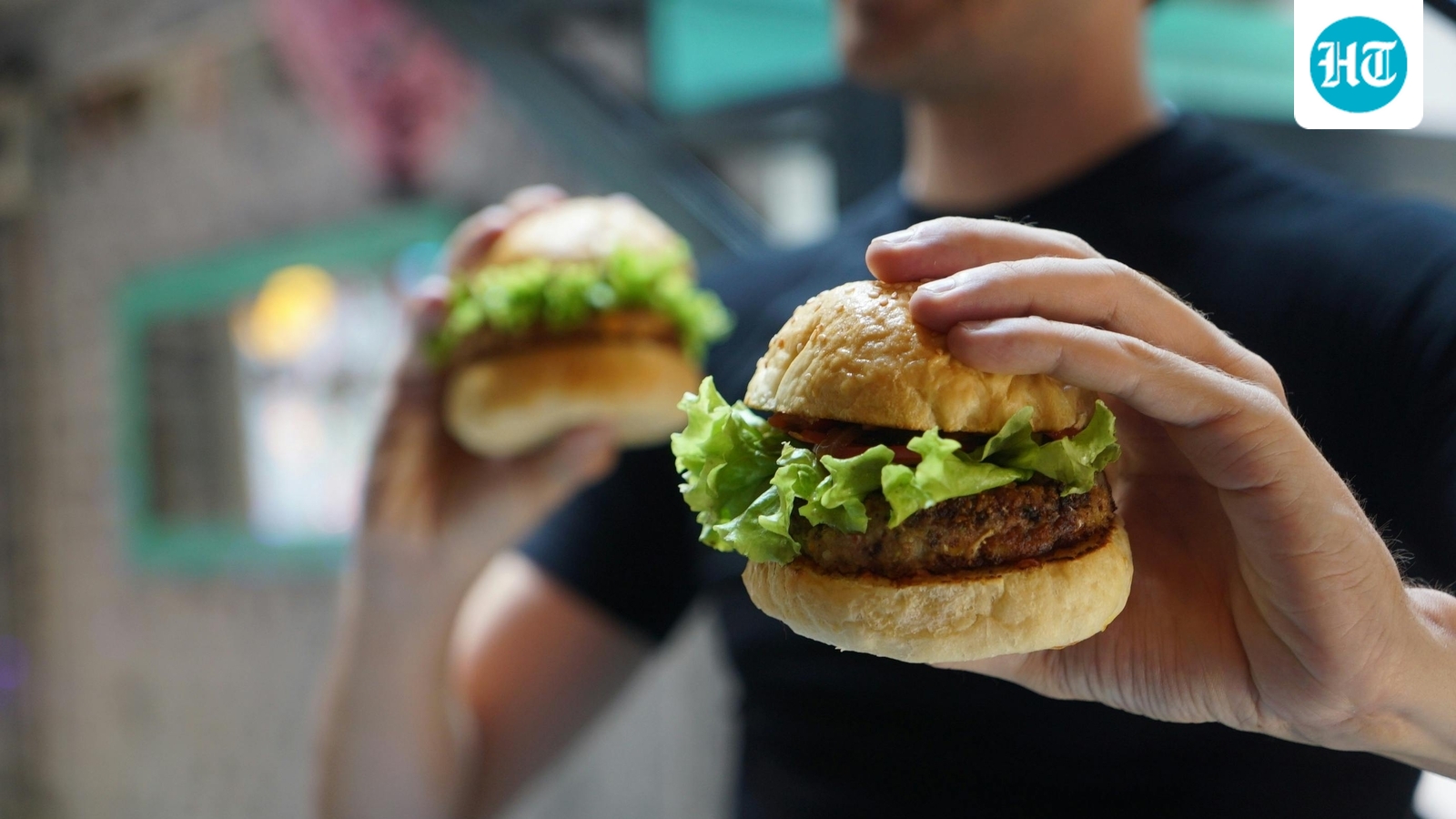
Weight gain rarely happens overnight – or because of one indulgent meal. More often, it’s the result of subtle, consistent overeating that creeps into daily routines without us realising it. Mindless snacking, eating too fast, or letting hunger build up can all push intake higher over time. The good news? A few simple, mindful eating strategies can help rein that in – so you feel satisfied, in control, and far less likely to overeat or gain weight.
 Overeating during meals and mindless snacking are among the leading causes of weight gain.(Pexel)
With 18 years of experience, Chennai-based fitness trainer Raj Ganpath – founder of the Slow Burn Method, co-founder and head coach at Quad Fitness, and author of Simple, Not Easy – has shared four strategies to prevent you from overeating and gaining weight. In an Instagram video shared on December 22, the fitness coach explains, “The most common reason for weight gain is not extreme overeating. It is actually mild but consistent overeating and a lot of us do this on a daily basis. So here are four tips to help you fix that.”
Space your meals right
Raj recommends spacing meals strategically to curb mindless snacking between meals and prevent overeating, helping regulate appetite and support better metabolic balance. He explains, “For most of us, the time between breakfast and lunch is about four to five hours, but the time between lunch and dinner is about eight to nine hours. As a result, we end up getting very hungry. We end up mindlessly snacking in the evening. If we don’t do that, we end up overeating for dinner.”
To curb this, he advises maintaining consistent gaps between all meals – ensuring the time between breakfast and lunch is roughly the same as that between lunch and dinner – to prevent extreme hunger that often leads to overeating.
Lean proteins in every meal
The fitness trainer advises including lean protein in every meal, as it helps curb appetite, slows digestion, and enhances satiety – making it easier to manage portions and avoid unnecessary snacking.
He explains, “Why? Because protein is extremely satiating and when you eat enough protein, it keeps you fuller for longer and that prevents you from overeating in the next meal.”
Include vegetables
Raj recommends loading up on vegetables, as they’re rich in nutrients and fibre, add volume to meals, and are naturally low in calories – helping you feel fuller without overeating.
He highlights, “So when you eat a lot of vegetables, you’re getting all the health aspects, yes, but you’re also filling up stomach volume, thereby leaving less space for you to eat other calorie dense foods.”
Eat slowly
The fitness coach’s final piece of advice is to eat as slowly as possible – taking time to chew each bite thoroughly and fully swallow before reaching for the next – allowing fullness signals to kick in and preventing overeating.
He explains, “Why? Because when you eat slowly, you give your body enough time to communicate with your brain and let it know that you’ve had enough food. When you eat really fast, your body doesn’t get time to communicate. As a result you end up overeating even without your knowledge. So no matter what you eat, when you eat or where you eat, make sure you eat slowly.”
Note to readers: This article is for informational purposes only and not a substitute for professional medical advice. It is based on user-generated content from social media. HT.com has not independently verified the claims and does not endorse them.