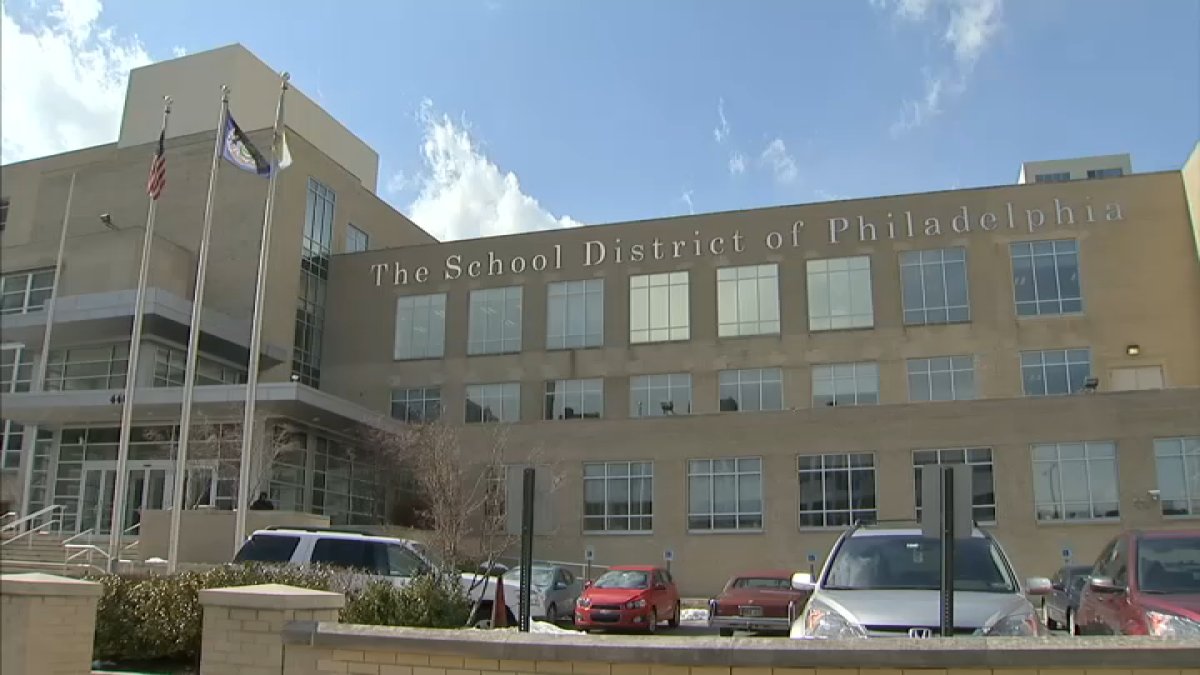
The results are in and, by a wide margin, it seems Philadelphia residents want aging school structures throughout the city saved by being renovated or rebuilt, instead of seeing the facilities shuttered.
The School District of Philadelphia recently found this out through the results of a “Facilities Planning Process Emerging Themes Survey” that sought input from those with students in the district, as well as teachers, faculty and others with connections to school facilities, for input on how to manage the district’s aging structures.
The survey found 81% of respondents felt it was important or very important that Pre-K through eighth grade programming strengthened through better use of space.
This included responses that called for old facilities to be updated, space used more efficiently, class sizes reduced, and wider access to programs for arts, music, physical education, home economics, foreign language, along with a wider range of extracurricular activities and clubs for all grades.
Even the 19% of respondents who found strengthening Pre-K through eighth grade programming through a better use of space to only be somewhat important or not at all important expressed an opposition to school closure, noted the district.
Many respondents, the district said, expressed concerns that using the term “better use of space” may mean “closing schools.”
Commentors to the survey noted that there are hardships created by closing neighborhood schools, “especially with limited accessible transportation, forcing young children to walk farther in potentially unsafe areas,” the district said.
On top of this, 85% of respondents to the survey found reinvesting in neighborhood high schools to be important or very important to them.
Within this topic, the district said, respondents said they wanted more investment in neighborhood schools so that students wouldn’t need to travel long distances for educational opportunities and they sought more diverse and practical educational programs — including vocational and trade programs — made available for students.
Beyond that, respondents wanted old buildings modernized and HVAC systems fixed, instead of seeing the structures shuttered.
These respondents also wanted to see schools become community anchors by “building partnerships, increasing access to mental health supports, and opening facilities for community use after hours,”
the district noted.
Among other questions that respondents were asked to address:
- 71% said they wanted unneccessary school transitions reduced for students
- 75% said they wanted expended access to grades five through 12 criteria-based schools
The district is expected to deliver a plan for its aging facilities later this winter.
And, for more information on the overall facilities planning process, click here.