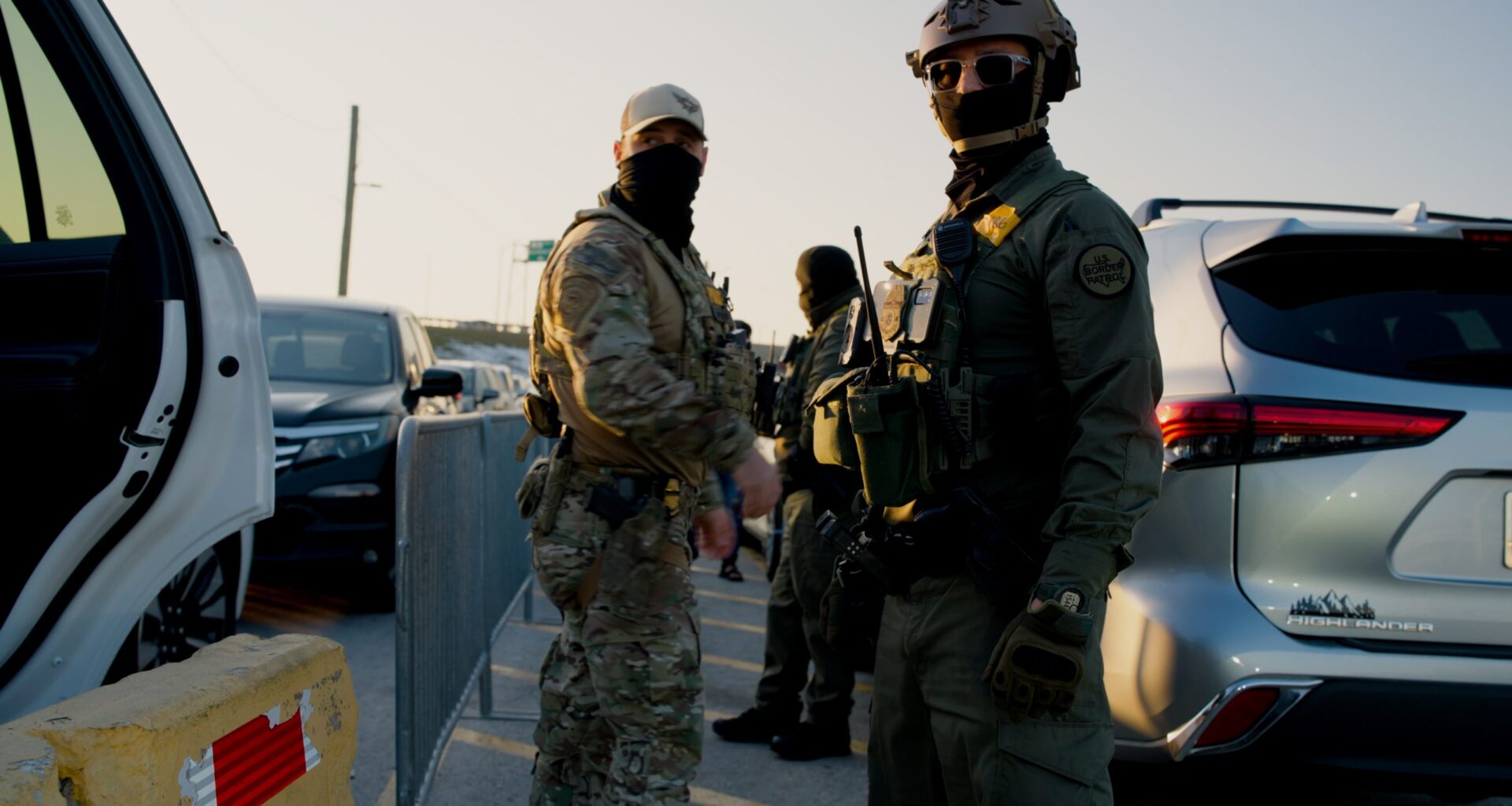
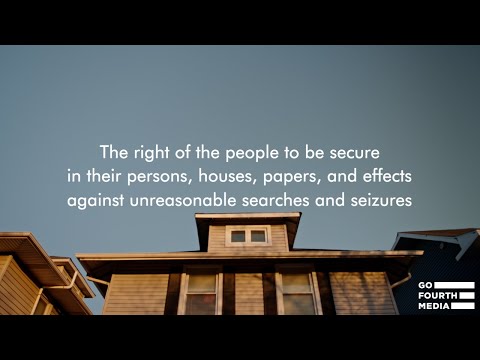
CHICAGO — A citizen filmmaker and journalist is chronicling the ways ICE and Border Patrol activity infringe on people’s Fourth Amendment rights.
Last week, Go Fourth Media released three documentary shorts on its YouTube channel as part of the project. The Chicago-based, not-for-profit grassroots media organization was established “to protect constitutional rights through bold storytelling by experienced filmmakers,” according to its channel description.
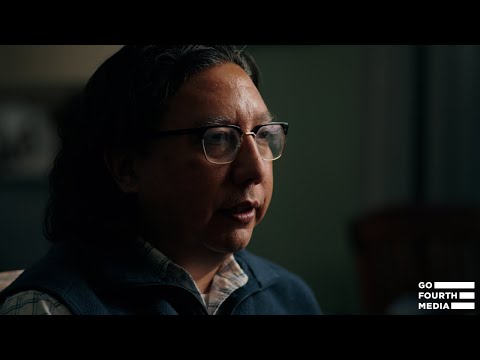
Andrew Freer, a longtime Chicago resident and founder of Go Fourth Media, said he was inspired to begin his work when ICE started ramping up its immigration enforcement efforts in Chicago in September.
“I was obviously very disturbed. I heard about them going to day cares, libraries, the local children’s museum,” he said. “We have masked, armed men, a whole paramilitary group, going around in our streets right now with little oversight.”
But the real turning point for Freer came when his neighbor, Scott Sakiyama, a U.S. citizen and attorney, was detained by ICE in suburban Oak Park in front of his child’s school.
“I couldn’t sleep that night,” Freer said. “I felt like I couldn’t be silent anymore.”
Freer, who has spent 18 years in the filmmaking industry working on commercial and documentary films, chose to leverage his experience to help educate the public on ICE’s constitutional overreach. Go Fourth, so named because of the amendment Freer asserts ICE and Border Patrol are violating, focuses on personal stories of ordinary citizens being disrupted or detained by ICE and broader stories of ICE activity throughout the city, as Freer and his crew follow reported sightings.
Freer said he felt that focusing on how the rights of everyday Americans are being violated and “how people are being targeted based on the color of their skin” would speak to common concerns most Americans have.
For Freer, the most powerful witness stories are those from legal citizens and residents who have been detained and arrested or been shot at and pepper-sprayed.
“We hope that hearing those emotions from [these subjects] and recreating those experiences for our audience will have a connection,” he said.
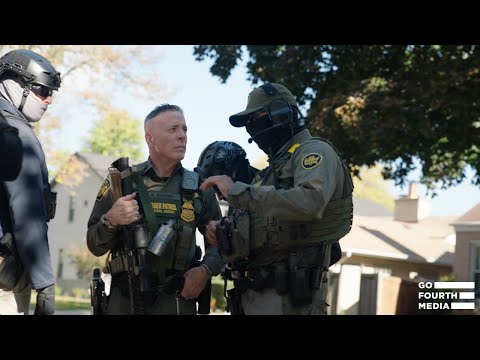
In addition to stories like Sakiyama’s, Go Fourth seeks to tell stories of activists protesting ICE efforts in Chicago. In the third video, called “My Day Following ICE in Chicago,” released Saturday, viewers can see ICE detainment efforts and everyday citizens using their voice to stand up for their neighbors. Some blow whistles; others film ICE officers in their masks and military gear. Others shout at them from the street.
“This is not what our country is about!” an Evanston resident screams in the video.
“That’s what Chicagoans are doing to stand up to this,” said Freer, who notes that the videos have already received comments from people arguing that these citizens are obstructing justice. “This is people doing things and protecting their communities as best they can.”
As a citizen journalist, Freer is aware of the danger his efforts pose to him and his family, even as his press pass gives him some cover to film ICE as they carry out their activities. The day Freer spoke to Block Club for this story, agents threatened him no fewer than three times, he said. But he keeps a safe distance from the actual activity and reads the room to determine how close he and his crew can or can’t get to certain arrests or stops as they occur.
“We have a free press right now,” he said. “That could change in the future.”
Independent journalism like Go Fourth’s is essential for fighting back against the governmental overreach by Border Patrol chief Greg Bovino and ICE, said Julian Jackson, a core team member of the immigrant rights organization Protect Rogers Park.
“I think it’s really important to tell the story of what’s going on out there, so I’m grateful for his work in documenting the action,” Jackson said. “If you watch Bovino’s actions, he’s all about preening in front of the cameras and telling a provably false narrative.”
Jackson said work of journalists like Freer helps to combat that government-sanitized narrative by capturing real stories of detentions and abductions, as well as the work of real activists on the ground.
 Border agents at O’Hare Airport on Dec. 17, 2025. Credit: Go Fourth Media
Go Fourth is self-funded and relies on volunteer work from editors, cameramen, animators and composers, among others, who complete the time-intensive work of meticulously assembling docs in their own free time. In addition to fundraising to subsidize this work, the organization is always looking for more witness stories or people who have been detained by or who organize against ICE efforts.
Freer has several more videos planned for the new year, pending sufficient post-production work and support. Concrete dates for these releases are still to be determined, although Freer said he hopes to put out at least two videos a month.
Even amid such a polarized political climate, Freer said he hopes that the stories their videos tell will have an impact and change people’s perception of the Trump administration’s deportation efforts in Chicago and elsewhere. He’s already heard stories from friends whose Republican family members were shaken by the content of the videos and asked to share them with others, he said.
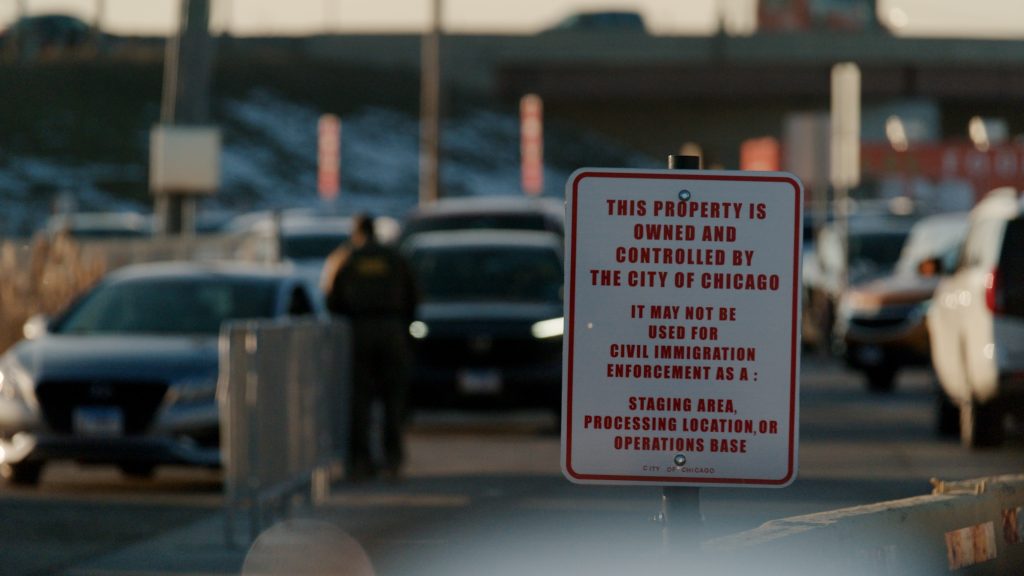 A sign prohibiting immigration enforcement on city property at O’Hare Airport. Credit: Go Fourth Media
“I know not everybody will be changed, but I think [they] will start to see what’s really happening,” Freer said. “This is a nonpartisan issue, and whatever background you come from, you can find your own ways to stand up to our constitutional rights being violated.”
You can find more details, including ways to donate or otherwise contribute to Go Fourth’s efforts, on the organization’s website.
“This is a really good way of telling the average, everyday American that [the administration’s action] is an erosion of basic rights,” Jackson said. “And that it will come for them, too.”
Listen to the Block Club Chicago podcast: