(Credits: Far Out / Harry Chase / UCLA Library)
Wed 24 December 2025 18:02, UK
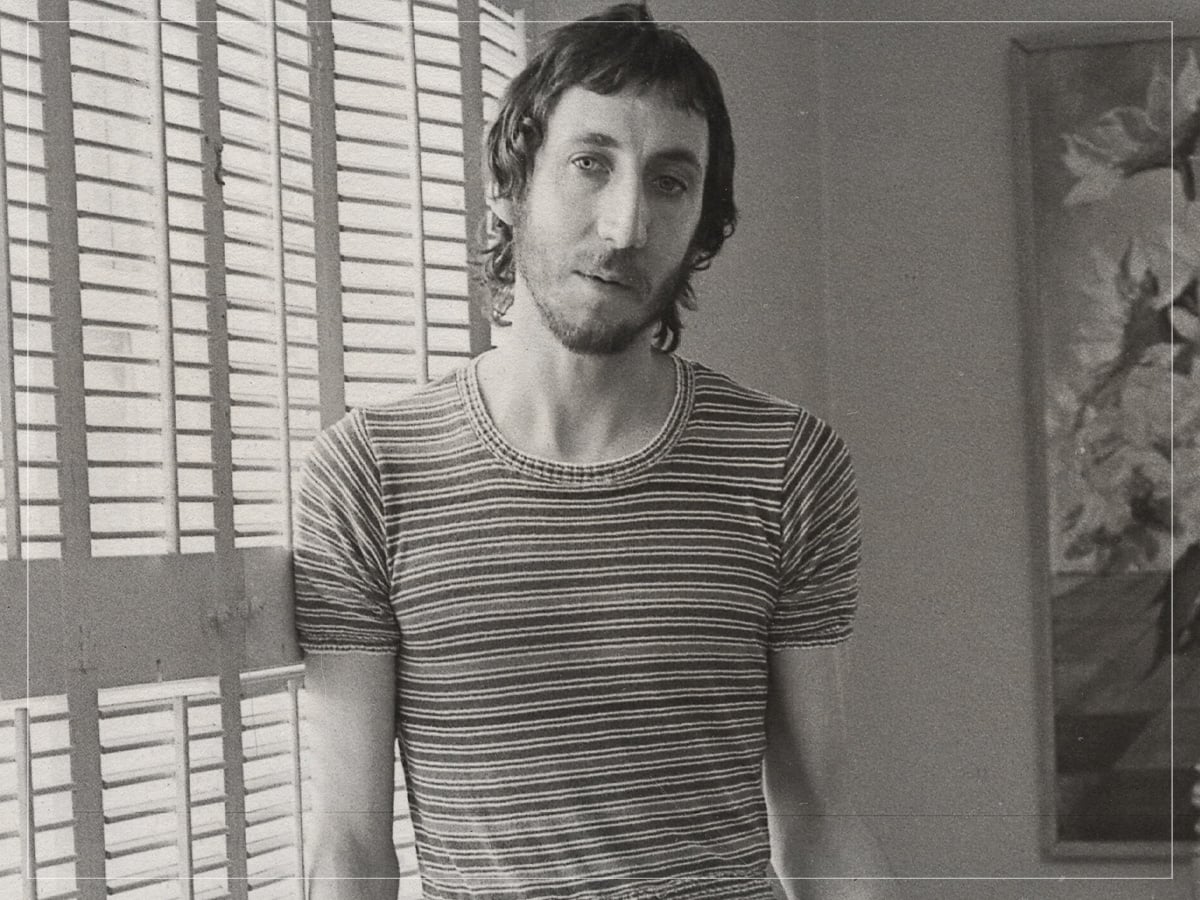
Coming out of the 1960s British rock scene, any band needed to go above and beyond to stand out. As much as artists may have thrived on making electric blues, the Mod scene was inundated with bands looking to take the sounds of R&B and fuse them with rock and roll to create a massive wall of noise. Although Pete Townshend found his niche when working with The Who, he wasn’t crazy about people adopting pieces of his act.
Throughout the first phase of the band’s development, though, Townshend had created a chaotic band beyond what anyone had ever seen before. Taking the basis of standard rock and roll, Townshend’s discovery of massive distortion on tracks like ‘My Generation’ blew the doors wide open for the next generation, with everyone trying their hand at making their guitars scream through a Marshall stack.
Around the same time, the band were transitioning towards making conceptual music on Tommy, Led Zeppelin was starting to deliver their signature brand of blues to the masses. Formed in the mind of Jimmy Page when he was still working in The Yardbirds, Zeppelin would become one of the foundation pieces of hard rock and heavy metal, featuring Robert Plant’s signature wail across the sounds of militant blues rock.
For Townshend, originality was tied closely to intent. What mattered was not just volume or spectacle, but the reason behind it, whether the chaos served a larger idea or simply existed for its own sake. The Who’s aggression was rooted in frustration and identity, reflecting a generation looking for something sharper than polite pop. When that intensity was repackaged elsewhere without the same grounding, Townshend found it difficult to take it seriously.
That tension reflected a wider shift happening across British rock at the time. As bands grew louder and more theatrical, the line between influence and imitation became increasingly blurred. For artists like Townshend, who had fought to carve out a distinct voice, seeing familiar elements recycled by newer groups felt less like flattery and more like a challenge to move forward before the scene caught up with him.
 Robert Plant owning the stage. (Credits: Far Out / Led Zeppelin)
Although Townshend was busy crafting lush stories, he didn’t see much appeal in Plant’s presentation. Coming from the same school of thought as Roger Daltrey, Townshend thought Plant’s stage persona clashed too much with what The Who had been doing up until that point, featuring the massive power of the vocals meshed with the rapport with the audience.
When talking about the band later, Townshend would say that Plant was copying Daltrey’s mannerisms, which led to the singer needing to rise to the occasion as a rock and roll frontman, saying, “I think Robert Plant was a shrieker — he copied the way that Roger looked on stage. He had his own thing, but Robert Plant was somewhere between Roger Daltrey and Steve Marriott from The Faces. He found his own feet in the end, but I think Roger was aware that he had to really sharpen up. And he did”.
Now that the rock scene had started co-opting different versions of The Who left and right, Townshend was ready to move on to the next phase of his career. Across albums like Quadrophenia and Who’s Next, Townshend looked beyond the Mod scene he grew up in, making music that could mean more than the standard three-minute single.
Alternatively, Zeppelin was also in for something slightly more serious than the singles market. Primarily known as an album band, most of Zeppelin’s most significant moments came with deep cuts, practically earning their way to the top of the charts through their entire body of work rather than any catchy single.
Even if Plant did take a few moves from what Daltrey had been doing, that competition only enhanced the music they made later. To make themselves stand out amongst the pack, both bands were responsible for pioneering the sounds of heavy metal that would dominate the world a few years later.
Related Topics
The Far Out Led Zeppelin Newsletter
All the latest stories about Led Zeppelin from the independent voice of culture.
Straight to your inbox.