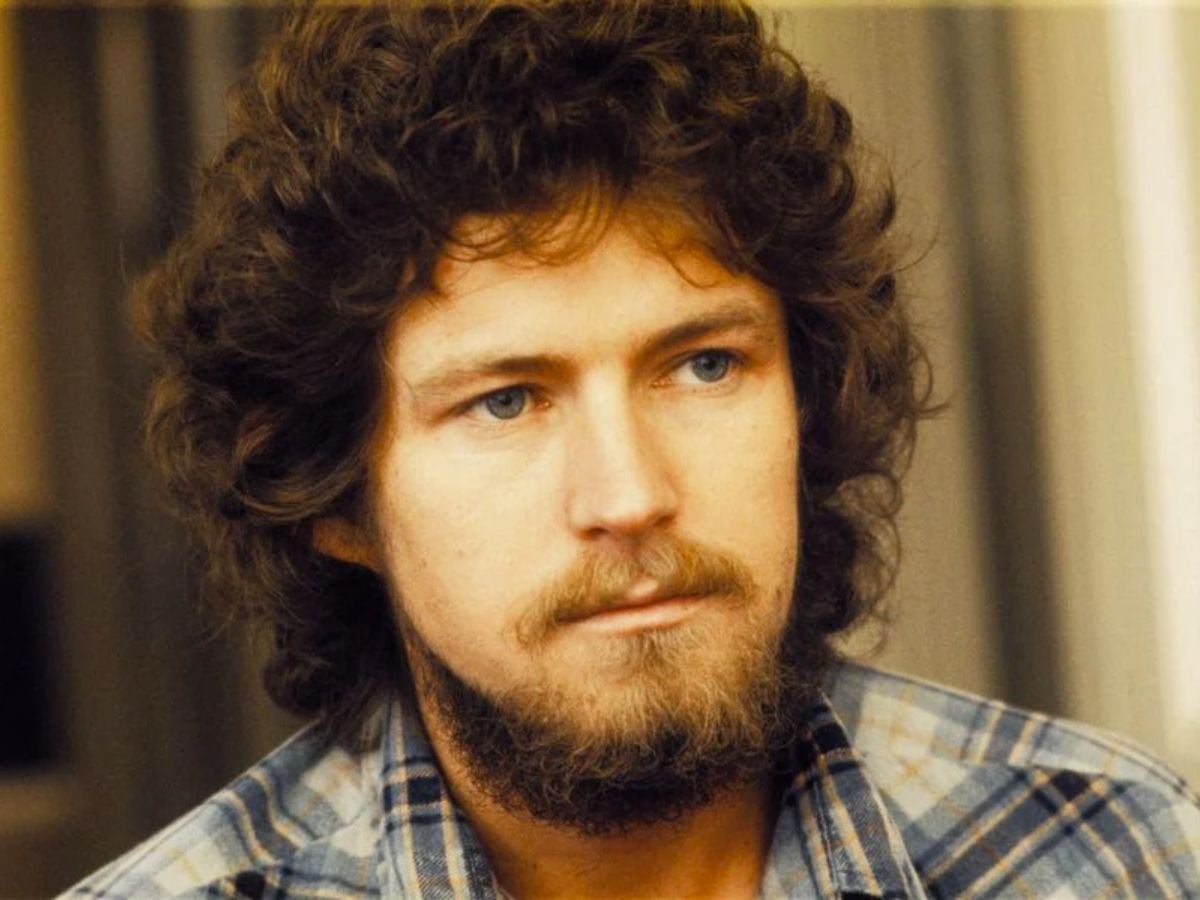
(Credit: Alamy)
Fri 26 December 2025 19:30, UK
When Eagles first formed, Don Henley wasn’t interested in making the same old bog-standard rock and roll tunes.
He had grown up seeing what the counterculture could do in the 1960s, and he was going to make sure that whatever the band made, it meant something a lot more than the typical love songs that were all over the charts. And when he saw rock and roll going in the wrong direction, he knew that a lot of people needed to learn the lessons that he had learned when he was growing up.
Granted, it’s not like Henley couldn’t get a little bit self-serious every now and again. Glenn Frey would occasionally be the one to joke at his expense for being overly serious, but that was half the magic behind the band. Frey was the one who had a million chords and an ear for all kinds of music, whereas Henley was the one who made people take a closer look at the lyrics whenever he sang tunes like ‘Desperado’ or ‘The Last Resort’.
But Henley wasn’t the first one to think of the idea of making music that had something to say. Bob Dylan had already shown everyone what could be done if someone had a message in their song, and while every other rock and roll star followed in his footsteps, there was no other band that seemed to take his lessons to heart more than The Byrds, once Roger McGuinn heard what the folkie could do.
Most of The Byrds had already been folk musicians when they first began, but the minute he saw The Beatles playing on Ed Sullivan, McGuinn traded in his mandolin for a 12-string acoustic guitar like George Harrison. They had their eyes set on the big time, and while they got there through singing some of Dylan’s greatest material like ‘Mr Tambourine Man’, that social commentary was bound to rub off on them.
They eventually wrote the song ‘He Was a Friend of Mine’ in memory of President Kennedy, but Henley was also paying attention when they decided to find their way back to rootsy music. Gram Parsons had shown them what was possible when making country rock, and while he wasn’t long for this world, Henley felt that what The Byrds were doing was absolutely vital to what rock and roll was all about.
At the end of the day, The Byrds wanted to bring peace to the world, and Henley felt that rock and roll had lost that sense of spirit by the time he ushered them into the Rock and Roll Hall of Fame, saying, “The mysticism, the transcendence, and the peaceful spirituality and optimism of that kind of music is sadly missing from the airwaves today, and in our present situation, we could really use some of it now. Nevertheless, they have left a rich and varied legacy, fortunately for all of us.”
Looking back at when they were inducted, it’s almost comical that Henley said that as the grunge movement was about to take over the charts, but for all of the depressing sides of the Seattle sound, there was at least a bit of a silver lining. The optimism might not have been there all the time, but this was an example of music that left the cynical nature of the industry behind, and since Henley spent so much time trying to get away from the corporate side of rock and roll, this was a step in the right direction.
But no matter what decade you find yourself in, The Byrds will forever be the perfect companion for when times are at their most bleak. Their music might not stand the test of time from a lyrical perspective, but one can only hope that someone has the same fire as they had when they were playing and starts making some masterpieces of their own.
Related Topics