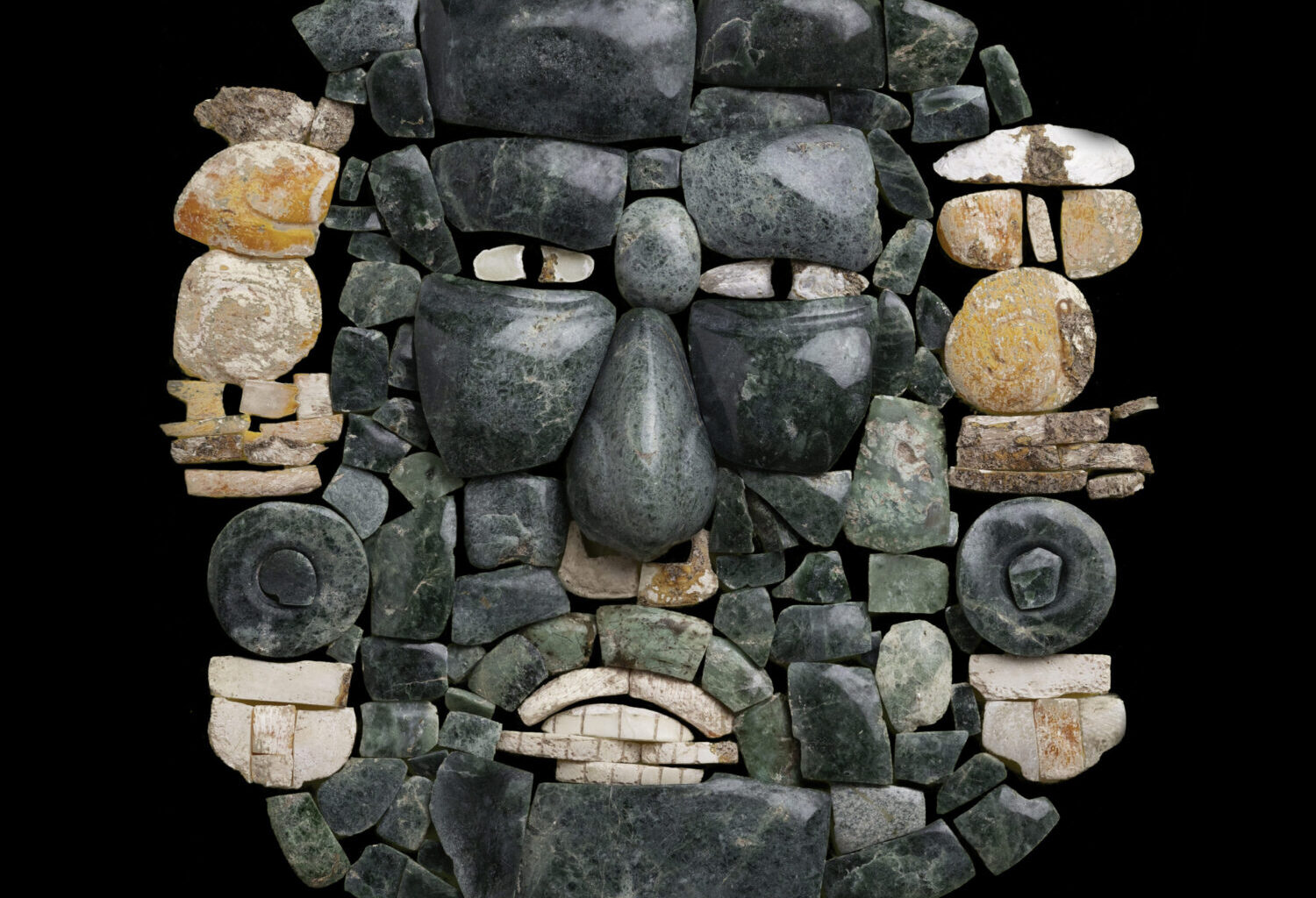
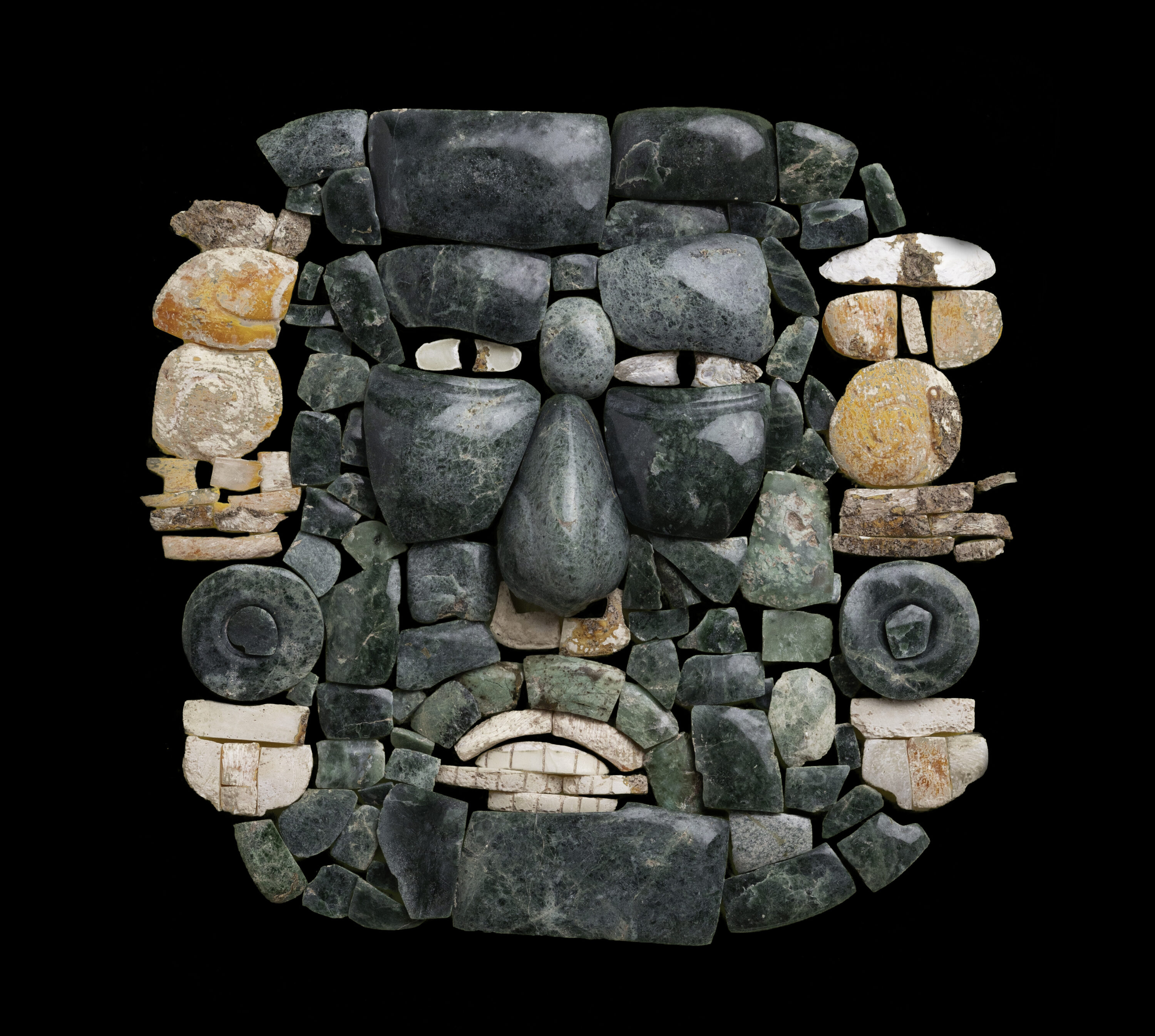
 The mask of Maya ruler Te K’ab Chaak — the reconstruction of which is still in progress — is a crucial part of a trove of artifacts that reveal new knowledge about an ancient civilization. Archaeologists Arlen and Diane Chase discovered a 1,600-year-old Jade mask in Belize.
The finding of a 1,700-year-old tomb in the ancient Maya city of Caracol by a husband-and-wife team of archaeologists from the University of Houston was named as one of the top 10 discoveries of 2025 by Archeology Magazine.
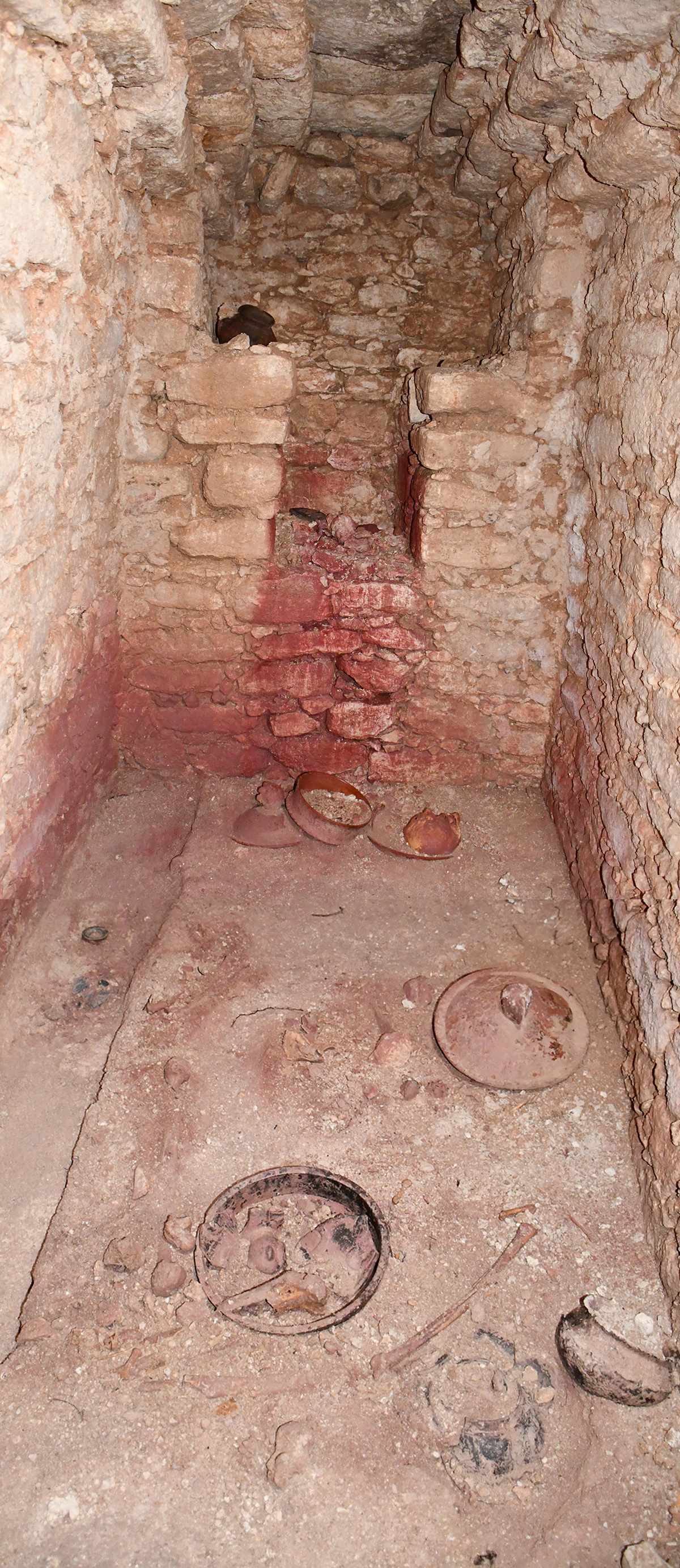
In July, the university announced that Arlen and Diane Chase had uncovered the tomb of Te K’ab Chaak, the first ruler of the Maya city of Caracol. The tomb was discovered in modern-day Belize, a country on the northeastern coast of Central America that borders Mexico. According to the university, the findings revealed connections to Teotihuacan, the site of Mesoamerican pyramids in Mexico. Te K’ab Chaak was the first ruler of a more than 460-year Maya dynasty.

Anthony Gollab/University of Houston
Archaeologists Arlen and Diane Chase feature for the Fall 2025 magazine.
The significance of the finding was recognized in December by Archeology Magazine — a 75-year-old publication by the Archaeological Institute of America — as one of the most important discoveries of 2025.
Sign up for the Hello, Houston! daily newsletter to get local reports like this delivered directly to your inbox.
Diane Chase, who is also the UH vice president of academic affairs and provost, said in a statement that unearthing the tomb was monumental.
“We found the first person in the dynasty so that, in itself, in terms of the history of Caracol, is huge, and it’s incredible that we could identify him as a ruler,” she said.
Jeffrey Lautenberger/Caracol Archaeological Project/ University of Houston
The lower portion of the north wall of the chamber was coated in bright red cinnabar, a sacred mineral reserved for the burials of the highest-ranking Maya royalty.
The director of the Institute of Archaeology in Belize, Melissa M. Badillo, said in a statement that the designation from Archeology Magazine has brought international recognition to the work being done in Caracol — a site that has been under excavation for more than 40 years.
“This brings so much awareness to the research at Caracol, which continues to highlight not only the history of the site, but also the important regional relationships that were a part of its development,” Badillo said. “We are excited to continue to work with the Chases and the Caracol Archaeological Project in the research and development of one of Belize’s treasured cultural heritage destinations.”
According to the Chases, the discovery and reconstruction of a jade and spondylus shell mask was key to determining the origins of the burial site.
“The mask tells us it is definitely a ruler,” Arlen Chase said in a statement. “We would not have identified the tomb as a ruler without that mask.”
Research is still being conducted at the site, including the radiocarbon dating of the bones, which could potentially provide insight into the diet, lifestyle and origins of the ruler.
“The question is, how do we better contextualize this?” Diane Chase said. “I don’t think we’re going to find another ruler, but what else can we find that dates to that time period now that helps us understand that story better?”
Disclosure: Houston Public Media is licensed to the University of Houston System. The university does not play a role in Houston Public Media’s editorial decisions. Read our statement of ethics and standards here.