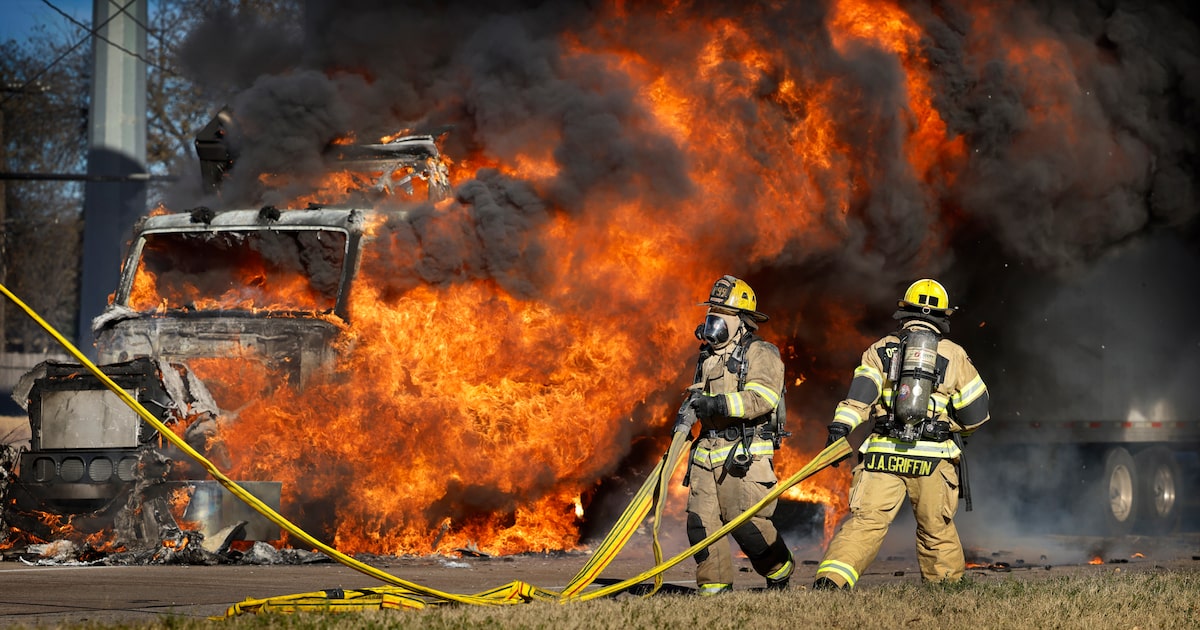
According to U.S. Fire Administration data, there have been around 120 house fire fatalities and three on-duty firefighter deaths in Texas since Jan. 1, 2025.
Residents trapped in a burning building could have less than two minutes to escape a house fire once an alarm sounds, the data shows.
But with the correct prevention tactics and an emergency plan, the threat an unexpected fire can bring is easily diminished.
Here are a few ways to prepare yourself and your home in case of a fire, what to do if one occurs and resources to help after experiencing a fire.
Breaking News
Making an emergency plan
The U.S. Fire Administration website suggests seven steps for a making and practicing an escape plan.
- Draw a map of your living space, including all doors and windows
- Find two ways out of every room and highlight them on your map
- Make sure that doors and windows are not blocked or inaccessible
- Choose an outside meeting place in front of your house
- Practice the escape plan with everyone in the home. This ensures all residents know the steps before an emergency strikes
- Test your fire alarms regularly, and install heat alarms in your garage. Pushing the test button will let you know if they work
- Use the outdoor meeting space even during practice runs of the escape plan
What do when there’s an apartment fire
The website also emphasizes that fires in apartment complexes and condominium buildings can be especially dangerous. Here are a few recommendations for handling a fire if you live in one.
- When you leave your apartment or condominium, close the door behind you
- Pull the fire alarm if you see one on your way out to alert the fire department and your neighbors
- Use the stairs to exit the building. Do not get into an elevator unless directed to do so by the fire department
- Go to the designated outside meeting place and stay there. Call the fire department and let them know if you think someone is trapped in the building
What to do if the building is on fire and you can’t get out
If you are unable to exit the building or room you are in, here are a few things you can do.
- Stuff wet towels, sheets or clothes around the doors and vents to keep smoke out
- Call 911 and let the dispatcher know where you are. Stay on the phone to help fire officials on scene locate you
- Place a brightly colored cloth between your window and the window sill to signal your location. Make sure to close the window after placing it to prevent further smoke entry
A free fire escape plan template can be found here.
Fire prevention tips
Here are a few things you can do to lessen the chance of a fire in your home.
- Clean your dryer lint trap before and after you use it
- Do not overload outlets, and unplug small appliances when you are not using them
- Always plug major appliances — refrigerators, stoves, washers and dryers — directly into wall outlets. Do not use extension cords, as they can overheat and start a fire
- Immediately replace dry, loose, cracked or damaged electrical or extension cords
- Never leave a candle burning unattended
- Keep anything flammable at least three feet away from lamps, light fixtures, water heaters, furnaces and other heat-generating equipment. This includes keeping flammable kitchen items away from the stovetop
- During the holidays, turn off lights before going to bed or leaving your home. Replace light strands with frayed or pinched wires
- Have your chimneys and vents cleaned and inspected by a professional at least once a year
- Keep your doors closed if possible. This prevents a potential fire from spreading
More prevention tips can be found here.
Things to do in the moment of a fire
You see smoke or hear a fire alarm, now what? Here are a few things to do when you are in an escape situation.
- Try to remain calm, and call 911 as soon as you reach a safe place, preferably outdoors and away from the fire. Provide the dispatcher with as much information about the fire and your location as possible
- If you see smoke, leave immediately. If the smoke is thick, cover your mouth and crawl out of the building. Staying low limits smoke exposure
- Use a fire extinguisher on small fires only. Remember to pull the pin, aim at the base of the fire, slowly squeeze the lever and move the nozzle side to side
- Stop, drop and roll if you catch on fire. This smothers the flames and will put out the fire
- If you are trapped and the smoke is heavy, find something to make repetitive noise so firefighters can hear you. If the smoke is not heavy, make as much noise — yelling, calling out — as possible
Next steps after a fire
Having a plan for after a fire strikes is almost as important as having an escape plan. Here’s a list of things to keep in mind when recovering after a fire.
- Contact a disaster relief service, such as the American Red Cross, who can help you find food, clothing, medicine and a place to stay
- If you have insurance, contact your insurance company. Ask what you should do to keep your home safe and who you should talk to about cleaning up the damage. If you are not insured, try contacting community groups for aid and assistance
- Make sure to also report the fire to your landlord or mortgage company
- Check with the fire department to make sure that your home is safe to enter. Be cautious and observant when you go inside. If it is safe to enter, try to find valuable documents and records
- Save receipts for any money that you spend related to the fire loss. The receipts may be needed later by the insurance company
- Check with an accountant or the U.S. Internal Revenue Service about benefits for people recovering from fire loss
A full guide can be found here.