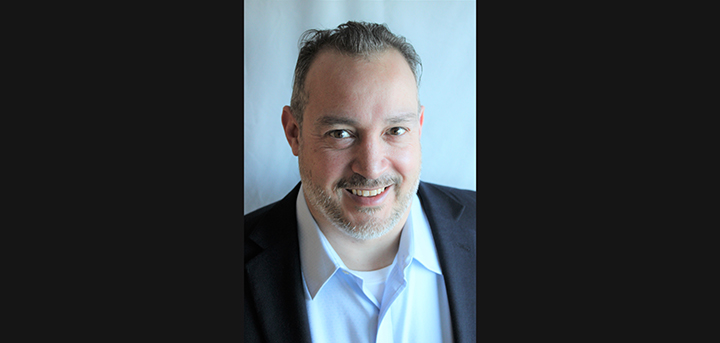
By
Jason
Miller,
Bookstore
owner
C.S.
Miller
Books
Do
good
work.
Be
dedicated.
Be
loyal.
You
will
get
a
raise.
Pick
up
a
second
job
if
you
have
to.
Maybe
your
partner
goes
back
to
work,
too.
This
is
what
people
have
always
been
told
to
get
ahead
in
rural
America.
For
many
families,
it
doesn’t
feel
like
that
is
working
anymore.
Story Continues Below Adverts
Most
people
access
health
care
through
employer
sponsored
insurance,
often
paired
with
a
Health
Savings
Account
(HSA).
It’s
usually
a
hidden
cost,
quietly
deducted
from
your
paycheck,
until
it
is
raising
faster
than
your
wages.
In
rural
Chenango
county,
that
pressure
is
compounded
by
steadily
rising
property
taxes
that
effectively
rise
about
4
percent
per
year.
2
percent
each,
from
school
districts
and
municipalities,
increases
that
have
stacked
year
after
year.
Officials
often
celebrate
staying
at
or
slightly
below
the
tax
cap.
Your
income
growth
not
being
considered. The
result
being
a
growing
gap
between
effort
and
payoff.
Last
week,
the
JAMA
Network
Open,
reported
that
employer
sponsored
health
insurance
premiums
have
risen
342
percent
since
1999,
while
the
employees
share
of
those
premiums
increased
308
percent.
Over
the
same
period,
CPI
data
shows
worker
wages
increased
just
119
percent,
while
inflation
rose
64
percent.
This
means
health
costs
have
grown
roughly
three
times
the
rate
of
workers’
earnings.
The
study
also
found
that
hospital
prices
continue
to
rise
even
as
admissions
decline.
This
trend
offers
little
reassurance
for
workers
and
small
businesses
absorbing
those
costs.
These
pressures
are
presented
clearly
in
local
budgets.
Looking
at
municipal
and
school
district
spending,
one
of,
if
not
the
largest,
line
item
is
worker
health
insurance.
Aside
from
federal
and
state
aid,
municipal/institutional
revenue
is
generated
primarily
by
property
taxes.
To
balance
budgets,
governments
rely
on
assessed
property
values
to
determine
your
tax
levy
burden.
Recently,
both
the
county
and
the
city
of
Norwich
passed
budgets,
that
suggest
rising
property
values
strengthen
their
respective
revenue
projections.
That
assumption
intentionally
glosses
over
inflation
and
a
serious
equity
problem
–
assessments
are
not
updated
uniformly
in
the
city
or
across
municipalities.
Yes,
all
municipalities
do
their
assessments
differently.
According
to
the
NYS
Office
of
Real
Property
Tax
Services,
“Most
Recent
Municipal
Reassessment”
data
table,
the
city
of
Norwich
assessments
are
from
1988.
Homeowners
who
have
purchased
property
more
recently
often
receive
reassessment
notices
in
the
reflecting
updated
market
values,
that
come
along
with
significantly
higher
tax
bills,
while
neighboring
properties
remain
assessed
decades
in
the
past.
As
of
March
2025
roughly
35
percent
of
the
property
in
the
city
is
tax-exempt,
adding
to
the
working
household
pressures.
Raising
tax
levies
every
year
for
the
last
10
years,
according
to
the
2026
city
of
Norwich
budget,
outdated
assessments,
shifted
tax
burden,
combine
to
intensify
financial
challenges.
People
are
working,
but
the
system
is
increasingly
misaligned
with
economic
reality.
Costs
and
taxes
are
rising
faster
than
wages.
Assessments
lag
decades
behind
reality.
The
problem
is
more
than
affordability.
Mobility
is
at
risk.
Hard
working
families
are
NOT
thriving
in
Chenango
County.
This
steady
erosion
and
economic
debasement
of
household
finances
changes
behavior.
The
cumulative
effect
of
rising
insurance
costs,
higher
taxes,
and
uneven
assessments
have
stalled
upward
mobility.
In
rural
communities
like
ours
entrepreneurship
has
long
been
one
of
the
few
reliable
paths
forward.
Consequently,
when
starting
a
business
means
risking
healthcare
coverage,
multiple
forms
of
insurance,
NYSEG
(yes,
them
too)
and
unpredictable
tax
exposure,
that
path
becomes
daunting
to
pursue.
The
trailhead
is
there,
but
increasingly
difficult
to
find.
For
existing
small
business,
the
hidden
costs
of
health
insurance
can
slow
investment,
delay
expansion
or
add
people
to
their
workforce.
Over
time,
It
becomes
a
key
factor
in
the
decision
when
considering
to
grow
here
or
relocate.
The
same
costs
may
also
discourage
new
businesses
from
locating
here
to
begin
with.
Further,
families
are
feeling
this
too.
Many
are
forced
into
moving
to
areas
with
better/higher
wages
and
more
affordable
housing.
A
property
tax
bill
should
not
be
higher
than
your
mortgage
bill.
When
taxes
are
too
high,
out
of
town
landlords
will
pass
that
along
to
their
tenants
through
higher
rents.
Higher
rents
leave
families
with
less
money
to
save,
buy
houses
or
start
families.
Behavior
changes
when
the
math
no
longer
maths.
Story Continues Below Adverts
This
raises
a
hard
question,
how
can
we
compete?
What
makes
Chenango
County
the
place
people
choose
to
live,
work
and
build
businesses?
The
individual
hardship
is
tangible
but
this
is
about
community
survival.
Rising
costs
are
squeezing
working
families
and
small
business
from
every
direction.
Focusing
efforts
on
growing
our
rural
local
economy
is
not
optional;
it
is
necessary.
With
the
annual
Progress
Chenango
reports
approaching,
we
hope
this
article
gives
the
reader
an
idea
of
how
small
business
is
working
to
help
their
workers,
not
just
survive,
but
thrive.
(Sources:
Kanimian,
S.,
&
Ho,
V.
(2025).
U.S.
Medical
Prices
and
Health
Insurance
Premiums,
1999–2024.
JAMA
Network.
New
York
State
Office
of
Real
Property
Tax
Services.
Most
Recent
Municipal
Reassessment
Data.)