By Jack Tomczuk
As we enter 2026, Metro is spotlighting a handful of Philadelphia news stories to keep an eye on in the new year.
Unforeseen issues and events are sure to emerge, but here are some topics that are almost certain to make headlines over the next 12 months.
Can SEPTA stabilize?
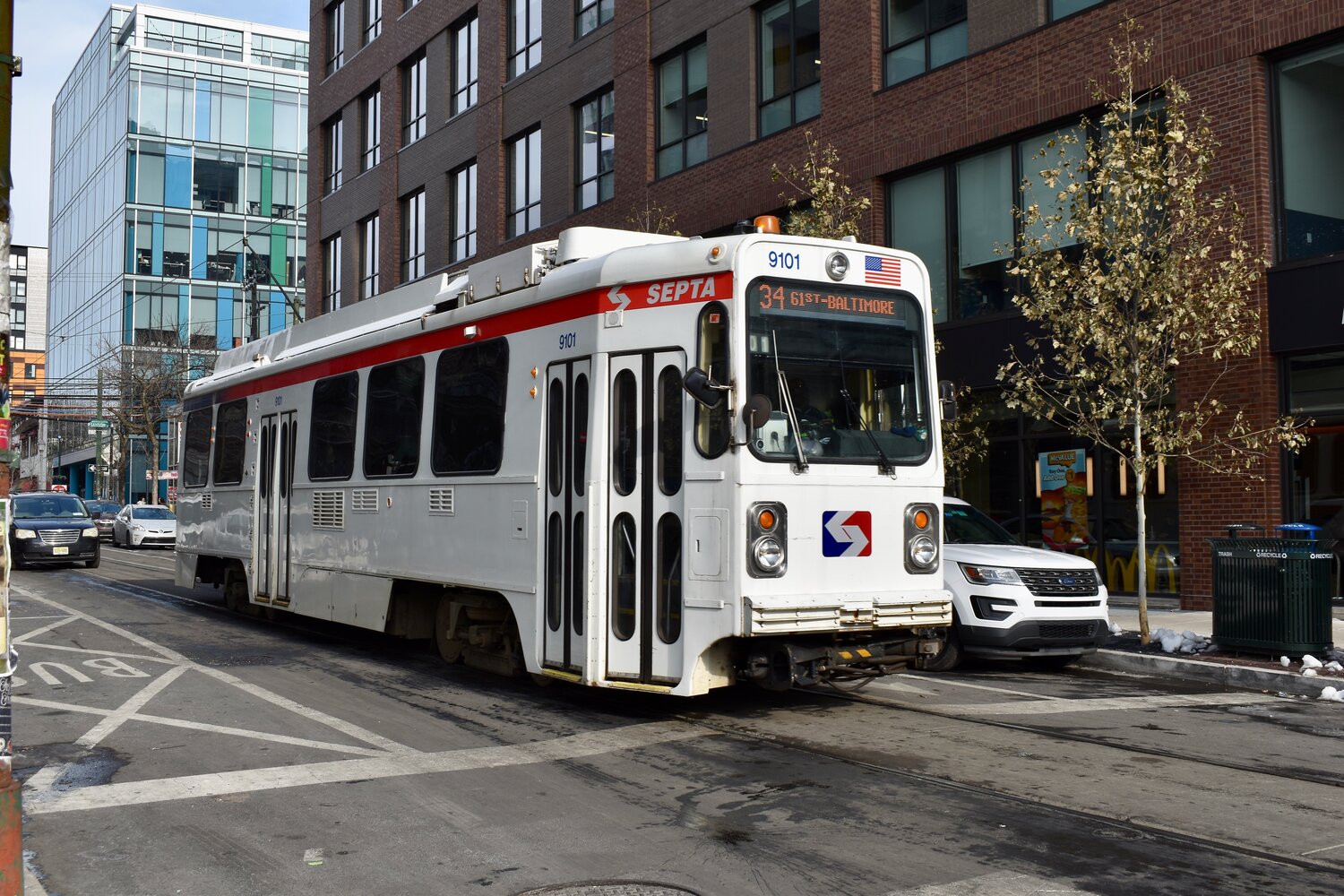
SEPTA leaders have acknowledged that 2025 was a historically challenging year for Philadelphia’s transit system. Budget woes led to short-lived service cuts, and infrastructure issues are still causing problems for Regional Rail and trolley riders.
Will 2026 be any better?
Gov. Josh Shapiro’s administration, in September, approved SEPTA’s request to divert nearly $400 million in capital funding to cover its operating deficit, meaning the authority should not face another “fiscal cliff” during the upcoming state budget cycle.
However, transit advocates are expected to continue their efforts to secure additional funding for SEPTA and other agencies around Pennsylvania, given the looming threat of more cuts and fare increases in future years.
SEPTA has been making progress reducing Regional Rail cancellations and delays, though crowded trains and other inconveniences will likely stretch into the new year, as crews continue repairs on the network’s 50-year-old train cars.
While transit officials are hoping to reopen the Center City trolley tunnel in early 2026, no firm timeline has been released.
H.O.M.E. at last?
Mayor Cherelle Parker and City Council have been battling for months over the details of her Housing Opportunities Made Easy, or H.O.M.E., initiative.
The crux of the disagreement has been income limitations for a pair of popular home repair programs. Legislation is pending in Council to amend the $800 million bond ordinance required to fund H.O.M.E, so the conflict is expected to continue into 2026.
Either way, the debate has likely pushed the borrowing months into the new year, delaying the start of Parker’s signature initiative, which aims to create or preserve 30,000 units of affordable housing.
Reaching that goal won’t happen next year; the H.O.M.E. initiative is expected to be funded for four years. But the first real impacts of the effort could be seen in 2026 as dollars begin to flow into new and existing programs.
City Hall observers are also watching to see how the high-profile spat impacts the relationship between Parker and Council President Kenyatta Johnson. Both have pledged to continue working closely together.
Which schools will close?
A long-awaited School District of Philadelphia facilities plan is due to be released in early 2026, and it will likely recommend that some schools be closed or merged.
The report was supposed to be published this fall, but the timeline was delayed amid demands for more public feedback opportunities. Superintendent Tony Watlington Sr., in a Dec. 23 letter, indicated that the plan would be presented to the school board “later this winter.”
Physical and environmental issues, including asbestos and lead, have long plagued Philadelphia’s aging public school buildings. Some have empty classrooms, while others struggle to find the space to educate students.
Strengthening PreK-8 programming through better use of space; reducing unnecessary school transitions for students; reinvesting in neighborhood high schools as community anchors; and expanding access to grades 5-12 criteria-based and CTE schools are the themes informing the process, according to district officials.
No matter the result, the plan will almost certainly receive pushback, particularly from those with a connection to any school slated to be shuttered.
Ready or not, the 250th is here
2026’s Semiquincentennial, marking the 250th anniversary of the Declaration of Independence, has been top of mind for leaders of Philadelphia’s tourism and hospitality industry for years.
An influx of visitors are expected to descend on the city for Fourth of July celebrations, six FIFA World Cup matches, the MLB All-Star Game, NCAA March Madness and other events. How many will come? And will the year deliver the long-promised economic boon for local businesses and cultural institutions?
Philadelphia has repeatedly shown its ability to host large crowds before – from Pope Francis’s visit in 2015 to a pair of Super Bowl parades – but could the confluence of major gatherings present unforeseen challenges?
Among other questions: What impact, if any, will President Donald Trump have on the proceedings? Will Mayor Cherelle Parker and other city leaders realize their goal of engaging and exciting city residents in every neighborhood?
Will Trump’s ire be directed at Philly?
Speaking of Trump, his administration’s policies, from federal spending cuts to enhanced immigration enforcement, have been felt in the City of Brotherly Love.
However, as the Inquirer reported earlier this month, the president has not deployed National Guard troops or sent large numbers of federal agents into Philadelphia, despite targeting Los Angeles, Chicago, New Orleans, Minneapolis, Washington, D.C., Charlotte, Memphis and Portland, Oregon.
Historically, Trump has displayed little fondness for Philadelphia. Five years ago, he famously declared that “bad things happen in Philadelphia” during a presidential debate, and the city figured prominently in his unfounded claims of a rigged election in 2020.
Philadelphia was included on a Justice Department list of “sanctuary jurisdictions” put out in August, so the White House may turn its gaze toward the city over the next 12 months.
Get ready to vote
Following a relatively slow election year, the ballot is heating up in 2026.
The most anticipated local contest in the May primary will be the Democratic race for the 3rd Congressional District, which covers large swaths of Philadelphia. U.S. Rep. Dwight Evans announced in June that he would not be running for reelection, opening up a rare opportunity for political hopefuls to win a seat in the Capitol without upsetting an incumbent.
State Rep. Morgan Cephas, Dr. David Oxman, Dr. Ala Stanford, state Rep. Chris Rabb and state Sen. Sharif Street are among those in the crowded primary field.
Gov. Josh Shapiro, viewed as a potential future presidential candidate, is expected to pursue a second term in 2026. As of now, the leading GOP gubernatorial contender is Pennsylvania Treasurer Stacy Garrity, who has proven she can win a statewide election.
A plethora of other positions, including all seats in the state House of Representatives, will also be on the ballot in the coming year.
Keywords
SEPTA,
Philadelphia,
Cherelle Parker,
Josh Shapiro,
Donald Trump,
H.O.M.E. initiative