With analysts predicting a busy year for Apple in 2026, you’d expect an especially active year on the iPhone front. While Apple has its fingers in plenty of technological pies, phones remain a big business for the Cupertino, Calif.-based tech giant.
For its 2024 fiscal year ended in September, iPhone revenue accounted for 51% of Apple’s $391 billion in net sales. Apple’s not about to take a year off from making phones just to catch its breath.
You may like
Siri 2.0
(Image credit: Apple)
Apple ends the year with iOS 26.2 available for all phones, with iOS 26.3 already in beta ahead of its anticipated release in early 2026. But iOS 26.3 is likely a maintenance update with a few new features set to debut on your iPhone. The real iOS software story comes with the update that follows later in the spring.
That would be iOS 26.4, which most people expect to deliver a new version of Siri for the iPhone. If so, it’s a long time coming — Apple first detailed plans to infuse its on-device assistant with more features powered by artificial intelligence when it previewed iOS 18 in June 2024.
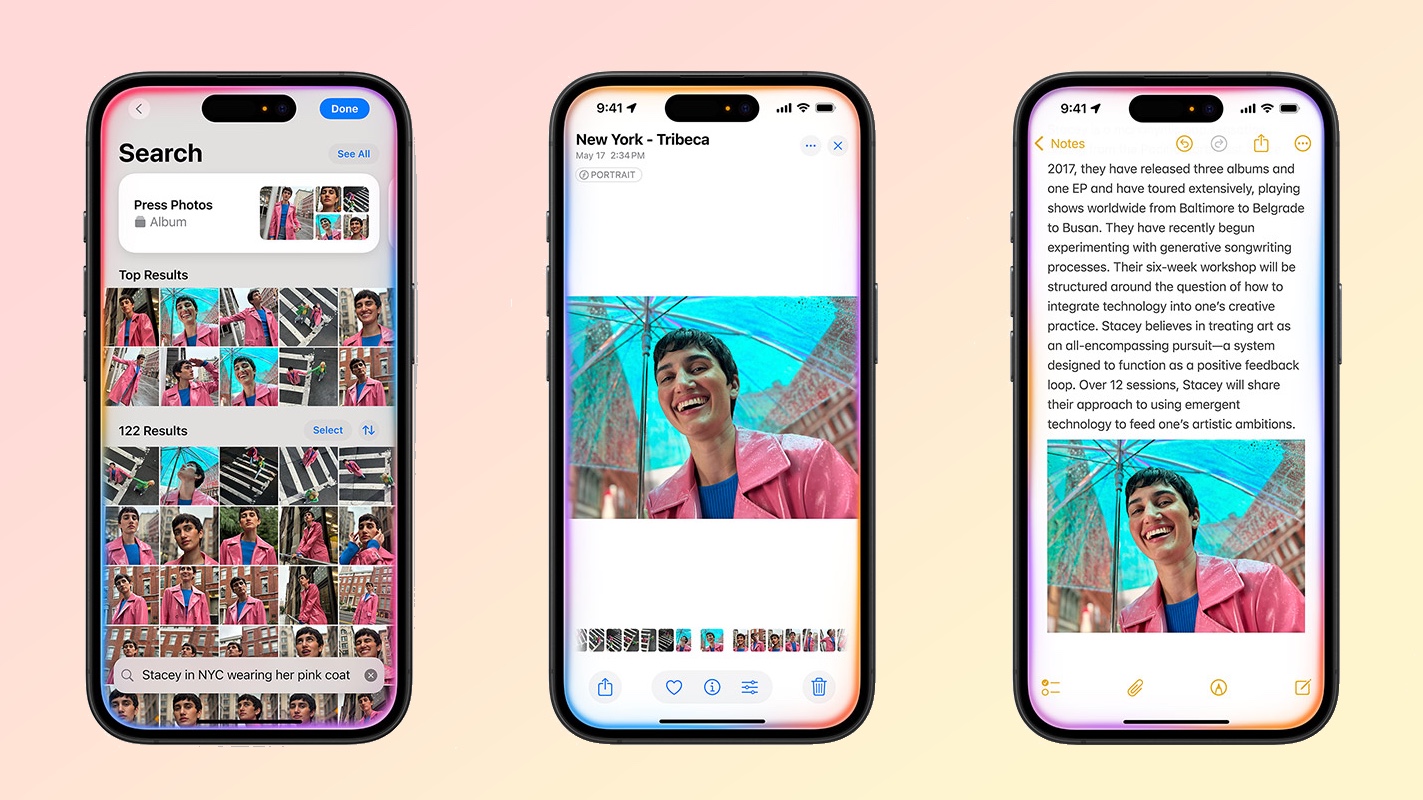
Specifically, Apple wants a more context-aware version of Siri on its devices. The new version, unofficially called Siri 2.0, is supposed to be more conversational, but the key improvement will be its ability to understand and act upon the information on your screen. It will also be able to pull up information like travel plans, receipts and other data you’ve got stored on your phone.
In essence, we’re talking about a more personalized assistant that knows more about you and can make recommendations and suggestions based on that knowledge. We’re also expecting deeper app integration and more health tracking features.
As I mentioned, a lot of this was supposed to be part of iOS 18 before Apple conceded earlier this year that it was going to take a lot more work to replace the existing Siri with something more AI-driven. Even with Apple reportedly targeting a spring release, the version of Siri that’s included with iOS 26.4 could be a work-in-progress with additional features rolling out throughout the rest of the year.
On the software side, there’s no bigger project for Apple than revamping Siri, as the assistant is a key part of devices beyond the iPhone. It’s also the centerpiece of the company’s Apple Intelligence efforts, and the state of Siri by this time next year will tell us a lot about Apple’s AI ambitions going forward.
You may like
iPhone 17e
(Image credit: AorS Mobile / YouTube)
It would be fair to call the schedule for new midrange iPhone releases haphazard. The iPhone SE debuted in 2016, took four years off between updates and then rushed out a 5G version in 2022. It took another three years for that iPhone SE model to give way to the more current-looking iPhone 16e.
You apparently won’t have to wait as long for an encore. There’s reportedly an iPhone 17e in the works, with rumors tipping it to arrive in May.
As you might expect, given the tight turnaround between the iPhone 16e’s arrival andthe rumored iPhone 17e release date, this won’t be a major overhaul for the low-end model. The most likely changes center around a new chipset — you’d think the 17e would adapt the A19 silicon that powers the iPhone 17 — and the same Center Stage front camera found on the iPhone 17 models. There’s also talk of the iPhone 17e replacing the 16e’s notched display with a Dynamic Island feature.
More significant changes like an extra rear camera or a display with a faster refresh rate probably aren’t in the cards. You would hope that would mean no price hike from the $599 Apple charges for the iPhone 16e.
iOS 27
(Image credit: Apple)
June usually brings Apple’s annual developer conference, where we’ll see previews of the software releases planned for later in the year. That’s especially relevant to iPhone fans, as WWDC 2026 will give us our first real look at iOS 27, the next major update to Apple’s mobile software.
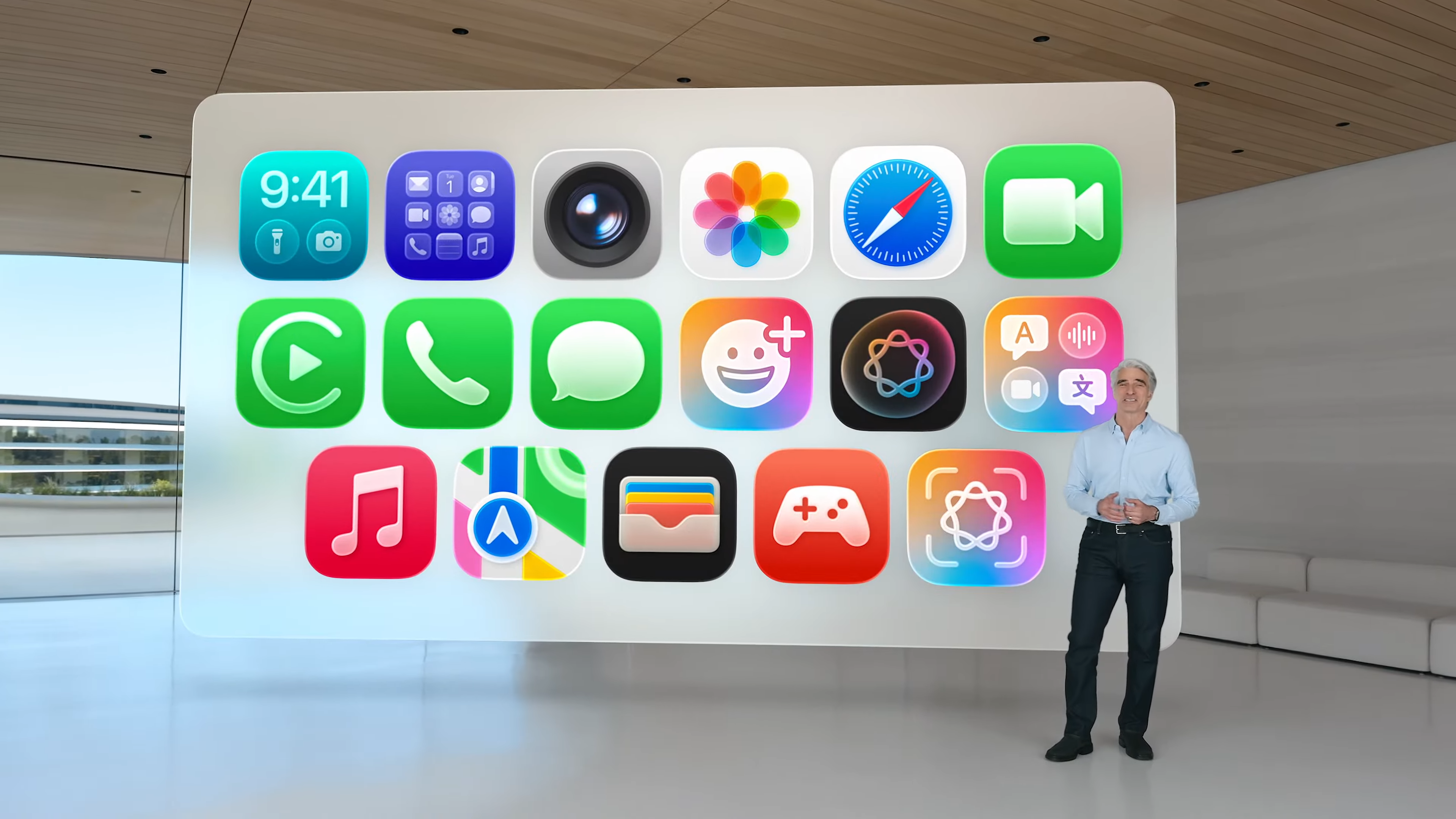
This year’s iOS 26 release put the focus on a new Liquid Glass face that Apple introduced across its various software platforms. Consequently, iOS 27 isn’t tipped to be as dramatic an update. Bloomberg’s Mark Gurman has compared the release to Mac OS X Snow Leopard, a 2009 Mac software update that focused on performance and stability.
That said, it’s expected that iOS 27 will offer more in the way of Apple Intelligence features, after a fairly light round of AI enhancements in iOS 26. The iPhone update could introduce a rumored health agent that makes suggestions based on the health and fitness data collected by Apple devices, as well as an AI-powered search feature.
Additional iOS 27 rumors have pointed to an update to the Photos app aimed at improving photo collections as well as a new pairing system for AirPods.
If Apple follows its usual schedule, a developer beta for iOS 27 will appear at WWDC 2026, with a public beta launching not long after. We’d expect to see a full release in the fall, about the same time Apple releases this year’s flagship iPhones.
iPhone 18 Pro and iPhone 18 Pro Max
(Image credit: Tom’s Guide)
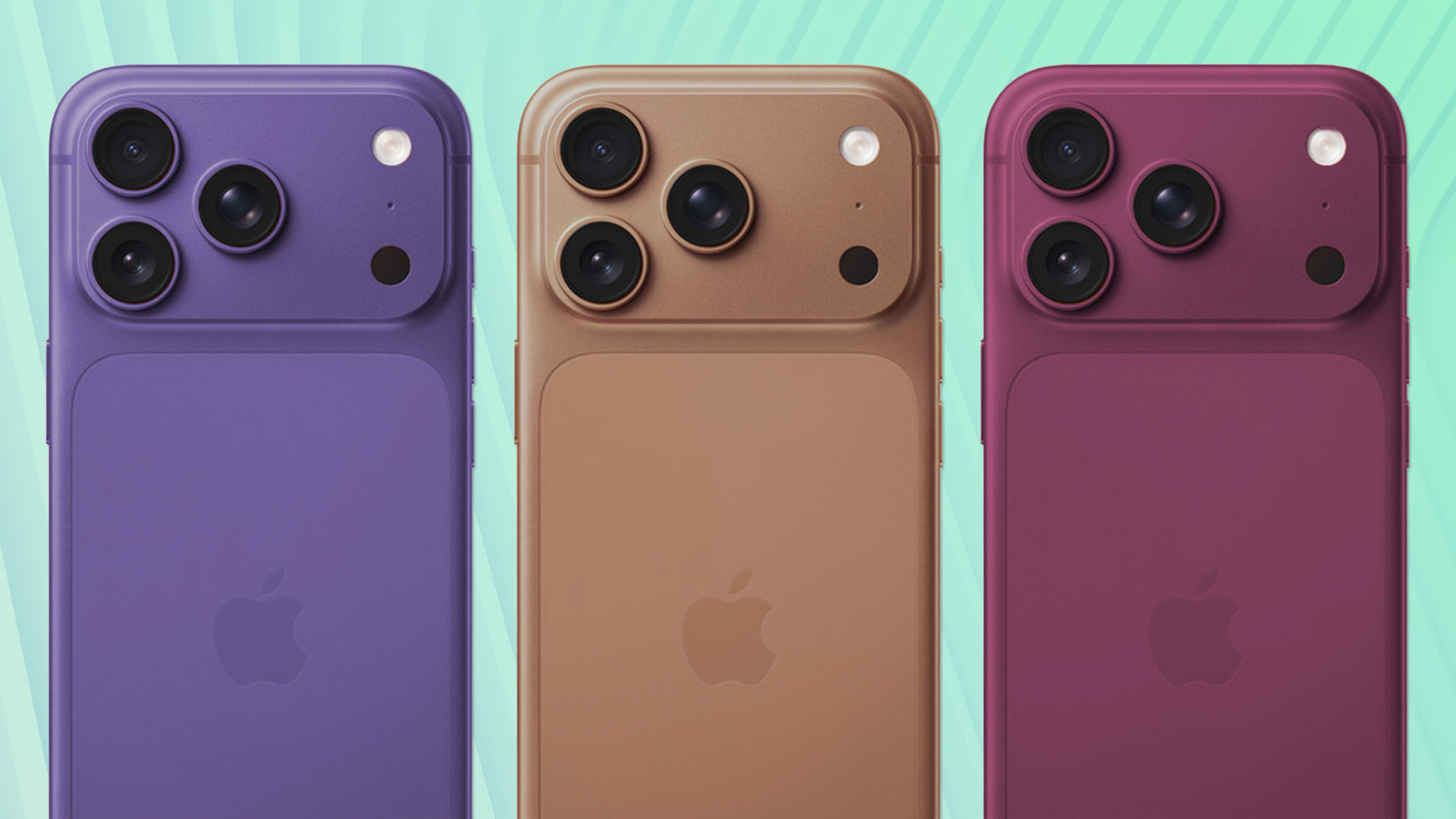
Speaking of those flagship phones, the iPhone 18 Pro and iPhone 18 Pro Max figure to follow-up on their iPhone 17 equivalents in the fall. (We’ll get to the standard iPhone 18 at the end of this article.) Rumors are pretty scant at this point — we are nine months away from a likely launch, after all — but some initial details are starting to emerge.
After Apple introduced a new look with the iPhone 17 Pro — the camera array stretches across the back of the phone, leaving more internal space for the battery — the iPhone 18 Pro models are expected to stick with that design. One tipset expects the glass back of the upcoming Pro models to get a transparent finish, but otherwise, the phones are expected to look the same, right down to their current display sizes.
It’s no surprise that Apple will likely introduce a new chipset for the iPhone 18 Pro — most likely an A20 Pro chipset. This system-on-chip would be built on a 2nm process, as opposed to the 3nm A19 Pro inside the iPhone 17 Pro. That switch should bring performance and power efficiency gains, as the chip’s transistors will be pushed closer together.
The two biggest departures for the iPhone 18 Pro could involve Face ID and the camera setup. One rumor has Apple switching to under-display Face ID sensors, though we’ve heard that talk before. It’s possible Apple could just shrink the cutout for it Face ID sensors.
As for the iPhone 18 Pro and Pro Max cameras, there’s talk of Apple turning to a variable rate aperture. That change would allow you to adjust the amount of light hitting the sensor when you take a shot, providing greater flexibility for image capture.
Apple likes releasing its flagship phones in the first two weeks of September, and there’s no reason to believe at this point that it plans to deviate from that pattern with the iPhone 18 Pro.
iPhone Fold
(Image credit: Future)
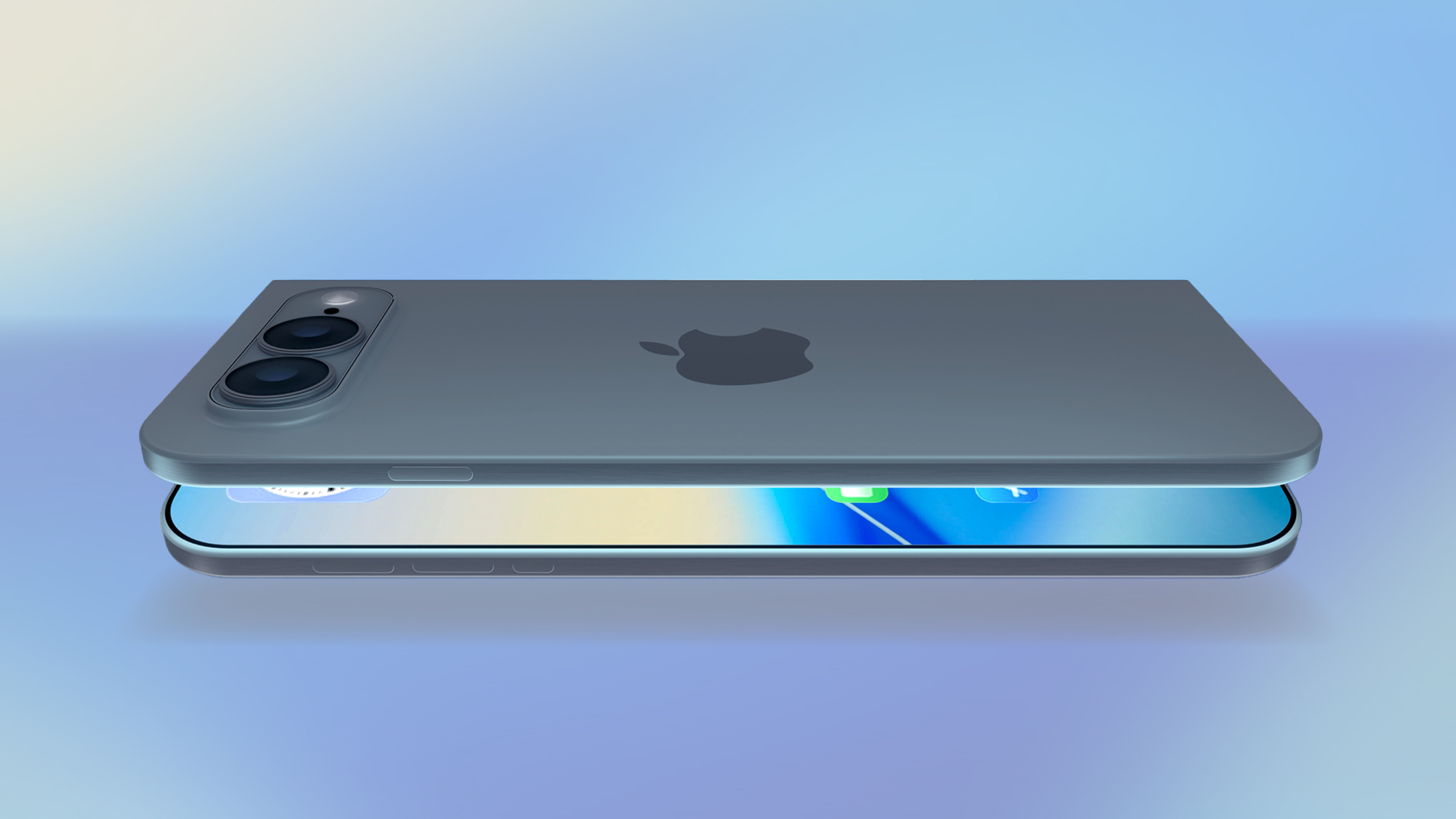
If rumors are to be believed, Apple’s long-awaited entry into the foldable phone market is set to happen in 2026. The iPhone Fold is expected to join the iPhone 18 Pro and iPhone 18 Pro Max at Apple’s iPhone launch event in the fall.
Current rumors have the iPhone Fold offering a book-like design where you open up the device to reveal a larger interior screen — think the Galaxy Z Fold 7 instead of the flip phone-like Galaxy Z Flip 7. Apple’s foldable might only have a 7.8-inch main display and a 5.5-inch outer panel; both would be smaller than what you get with Samsung’s Galaxy Z Fold with its 8- and 6.5-inch panels. That said, Apple reportedly has lined up a creaseless display for its foldable, giving it an edge over a lot of the existing offerings.
The other notable difference between the iPhone Fold and the best foldable phones you can buy right now would be its price. Rumors say Apple’s offering could cost as much as $2,400 — $500 more than the Galaxy Z Fold 7’s lofty price tag. It sounds like we’ll see if Apple’s reputation for design can convince people that the Fold is worth the splurge.
What about the iPhone 18?
(Image credit: Future)
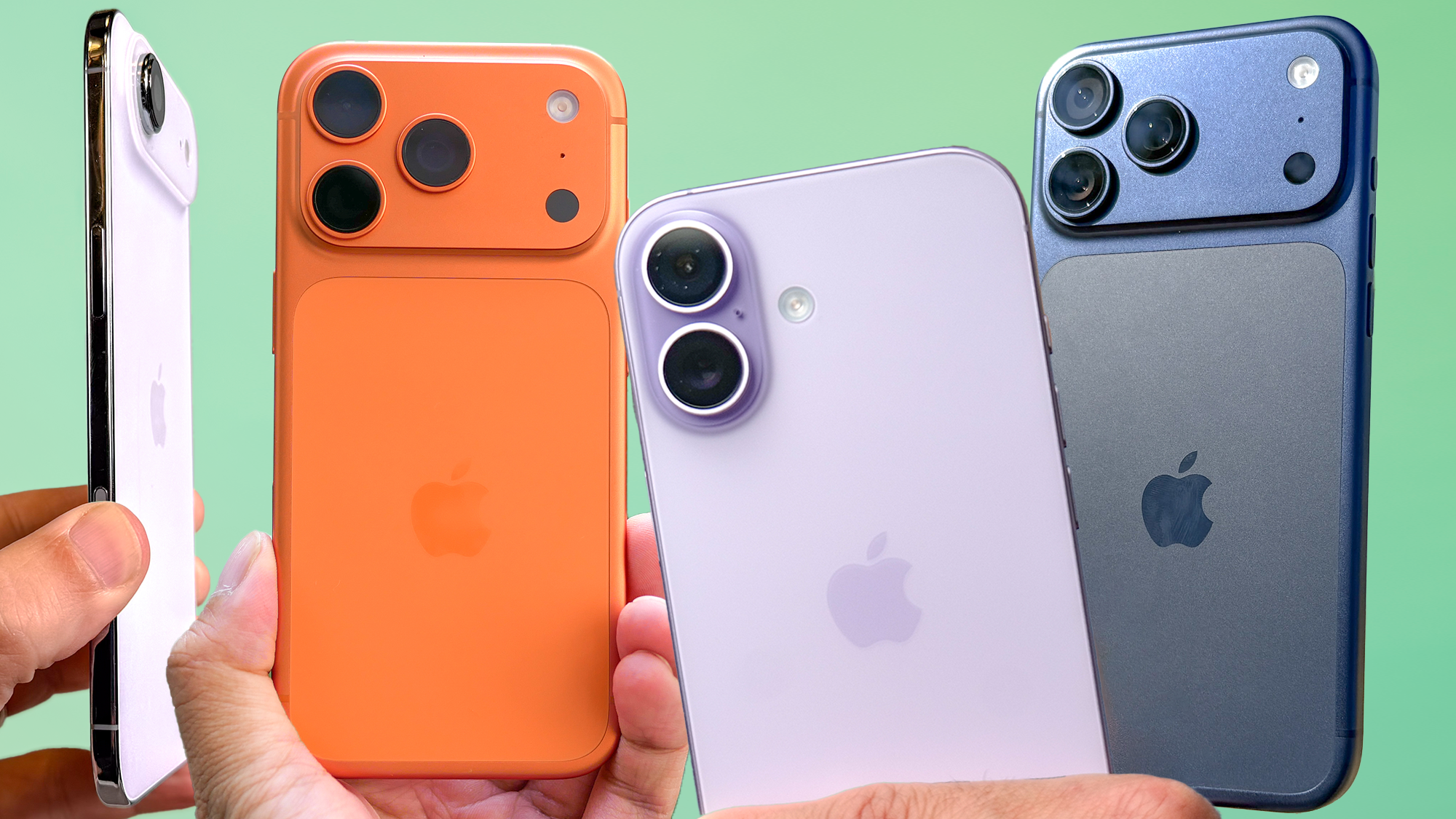
You might have noticed the iPhone 18 is MIA from our rundown of Apple’s likely fall phone releases. That’s not a mistake — a prominent rumor suggests that Apple is shaking up the way it introduces iPhones, with the new approach going into effect in the coming year.
Under this scheme, Apple would stagger its iPhone releases, with Pro versions coming out in the fall. The standard model and the iPhone E series would then appear the following spring.
So with the iPhone 18 Pro models debuting this fall, that would put the iPhone 18 on track to show up in the spring of 2027 — again, assuming Apple is actually planning on changing up its release schedule.

Follow Tom’s Guide on Google News and add us as a preferred source to get our up-to-date news, analysis, and reviews in your feeds.
More from Tom’s Guide
Today’s best Apple AirPods Pro 3 deals